- Base for
- Mount Qingcheng and Dujiangyan
- From Chengdu
- ~30 min by train from Xipu (10 RMB)
- Best time
- Spring or autumn
- Sleep
- Hotels with thermal pools
Qingcheng Shan Village is a prime base to explore the UNESCO heritage site of Mount Qingcheng and the Dujiangyan Irrigation System.
This charming little town is a must-visit for anyone interested in Taoism, the main native religion of China, and its connection to the lush Sichuan mountains, the last habitat of the famous Chinese mascot: the panda.
But that is not all. From witnessing the ingenuity of ancient Chinese engineering at the Dujiangyan Irrigation System to soaking in magnificent outdoor thermal pools, Qingcheng Shan has something to wow every traveller eager for nature, culture or relaxation.
“Qingcheng Shan has something to wow every traveller eager for nature, culture or relaxation.”
What to see
 STOP 1
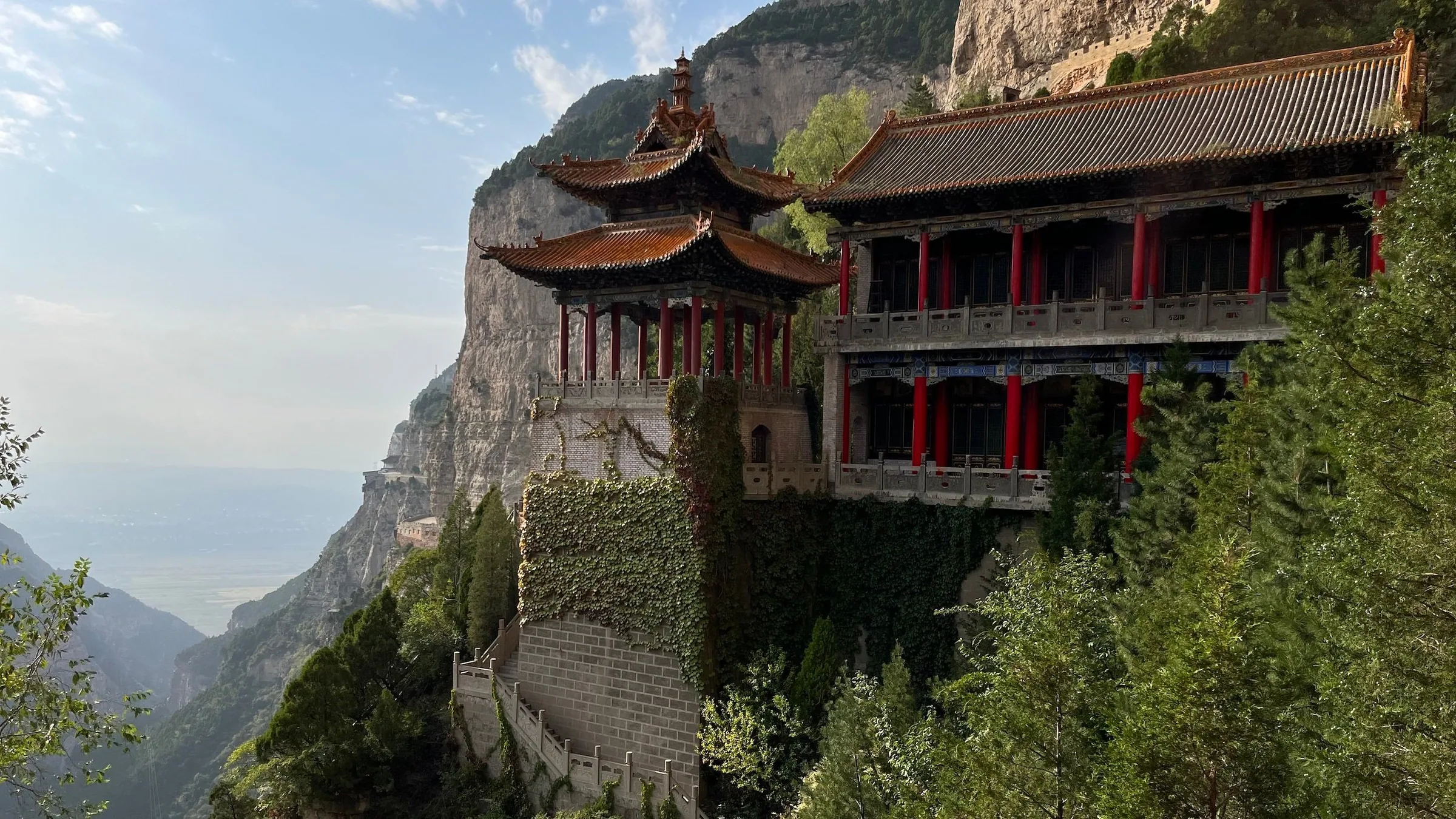
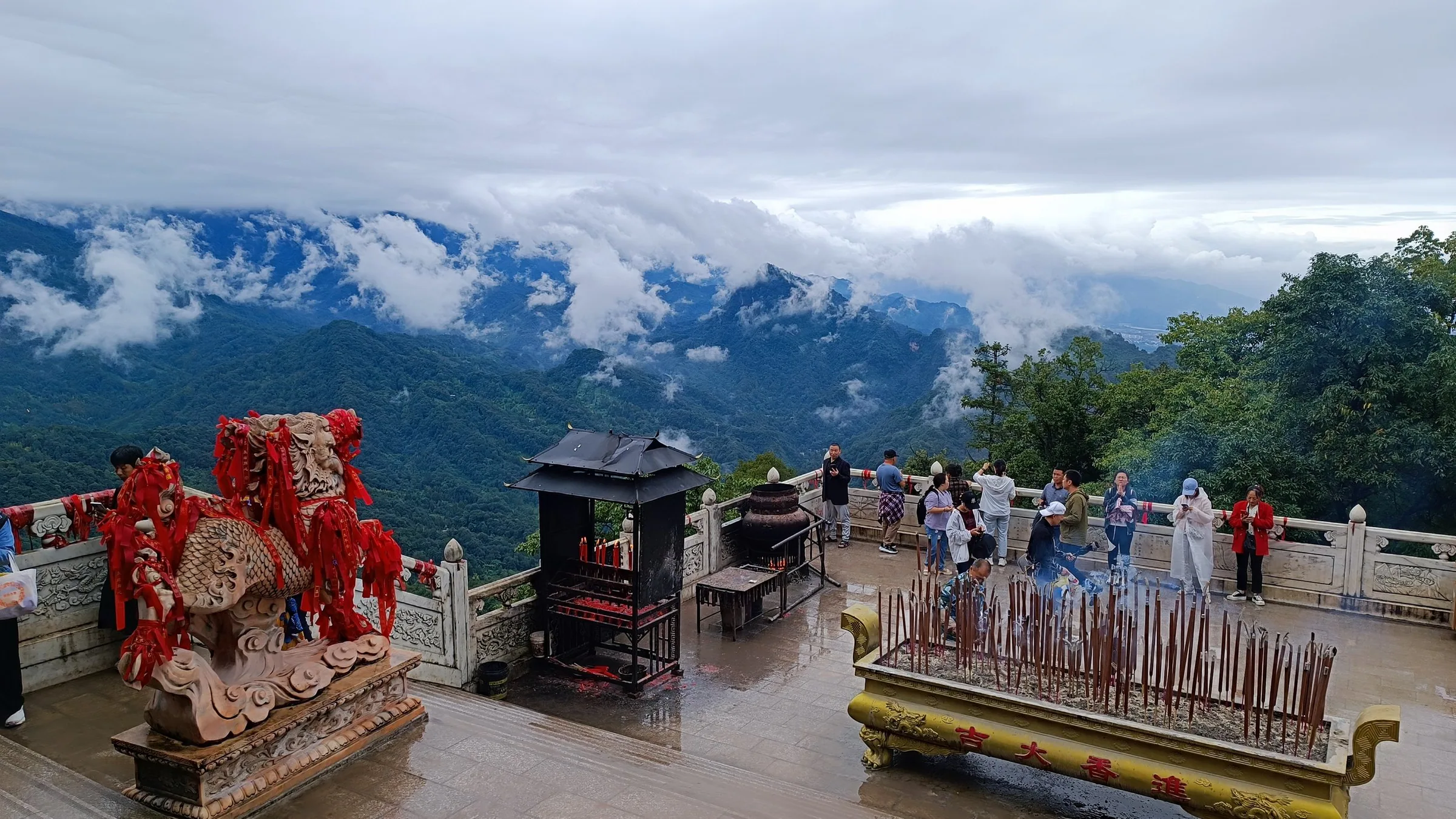
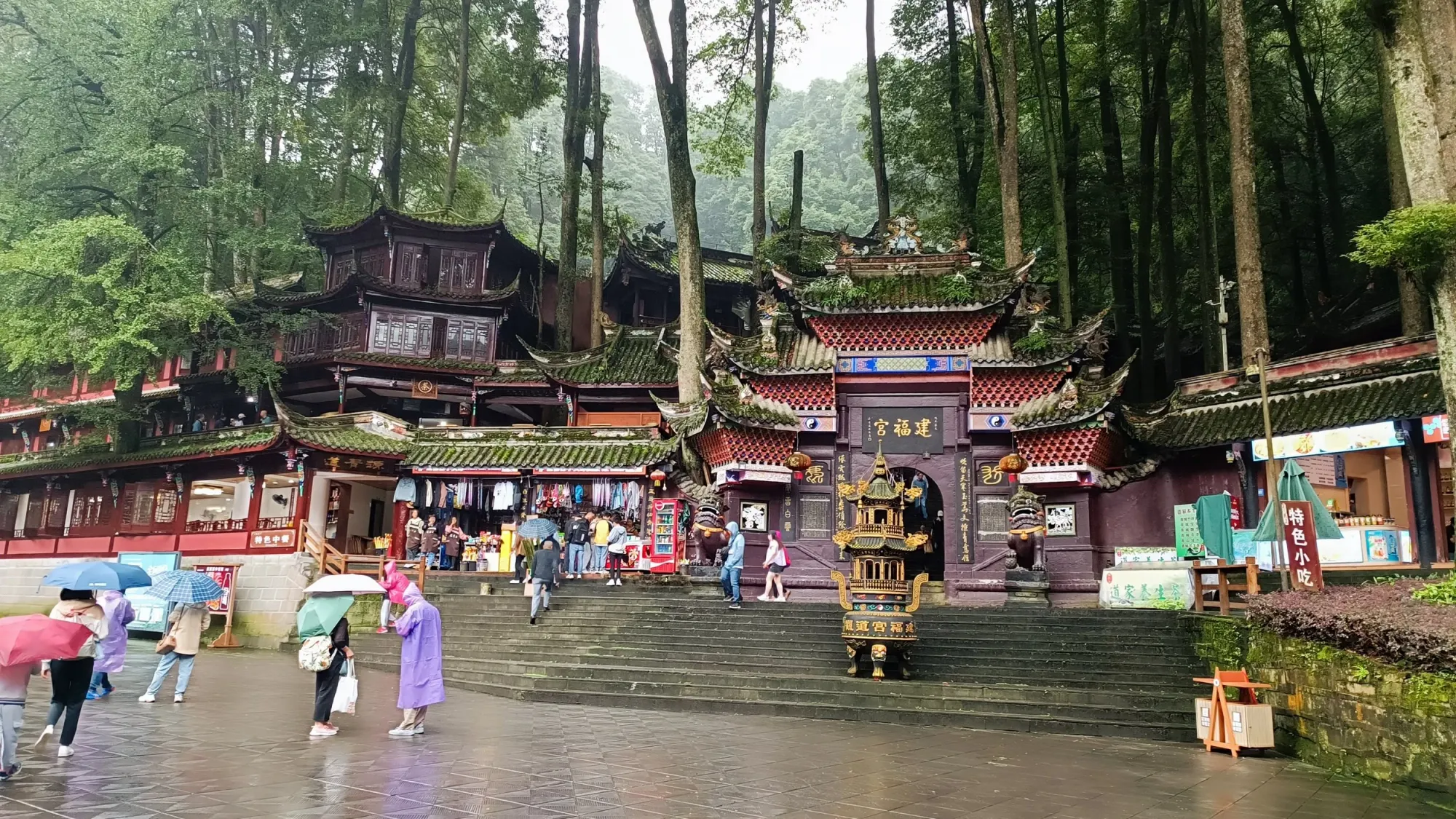
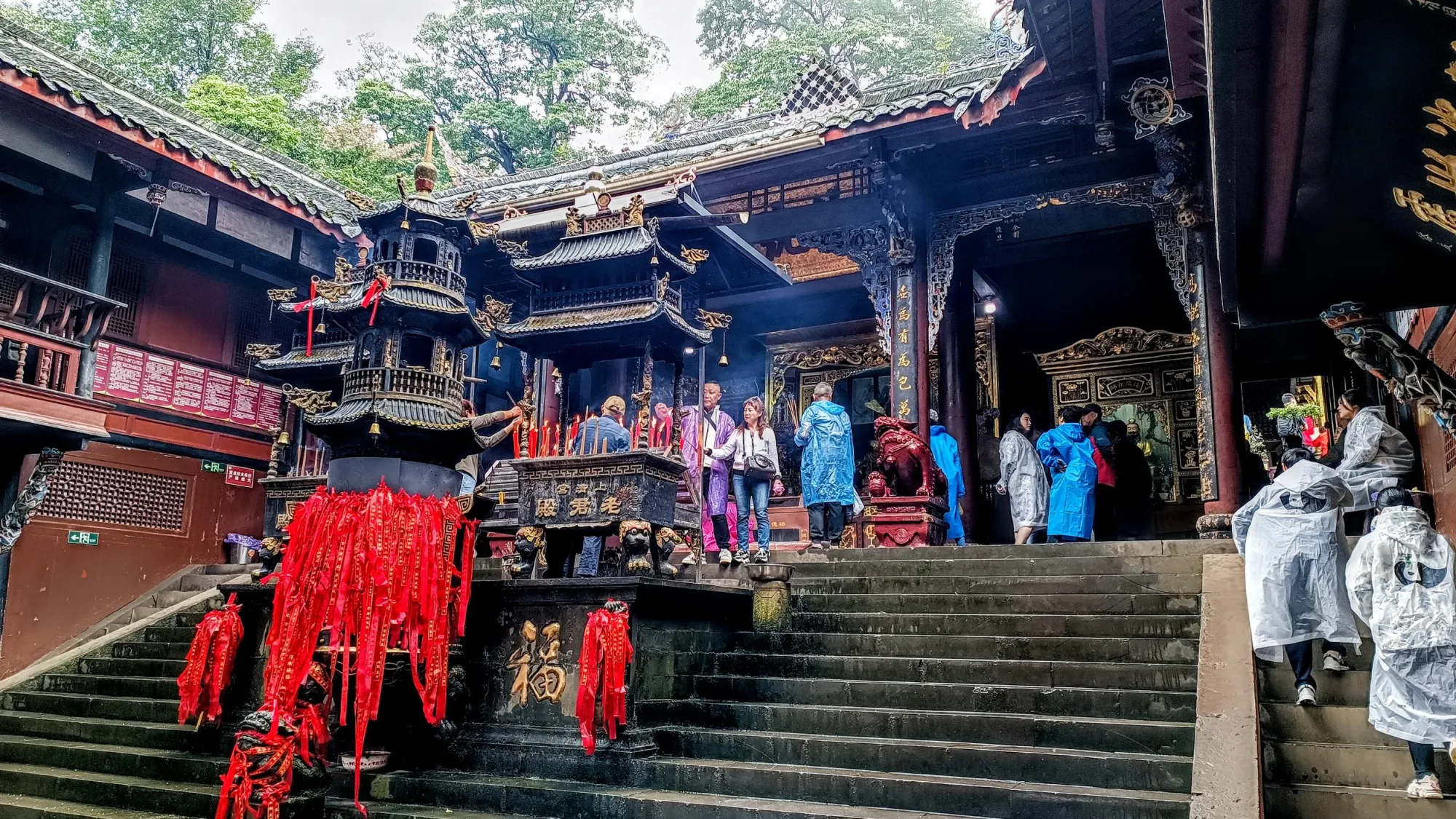
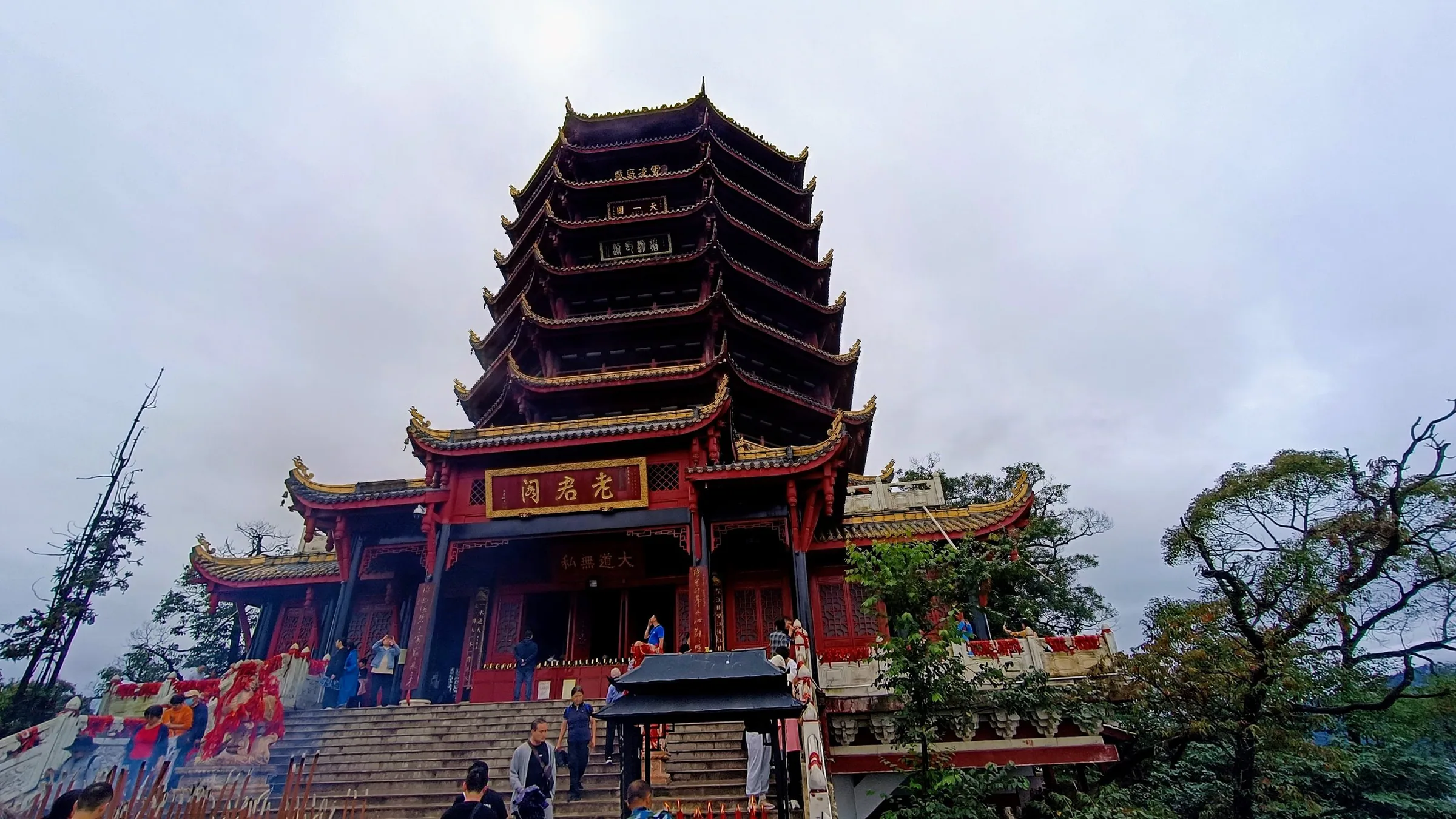
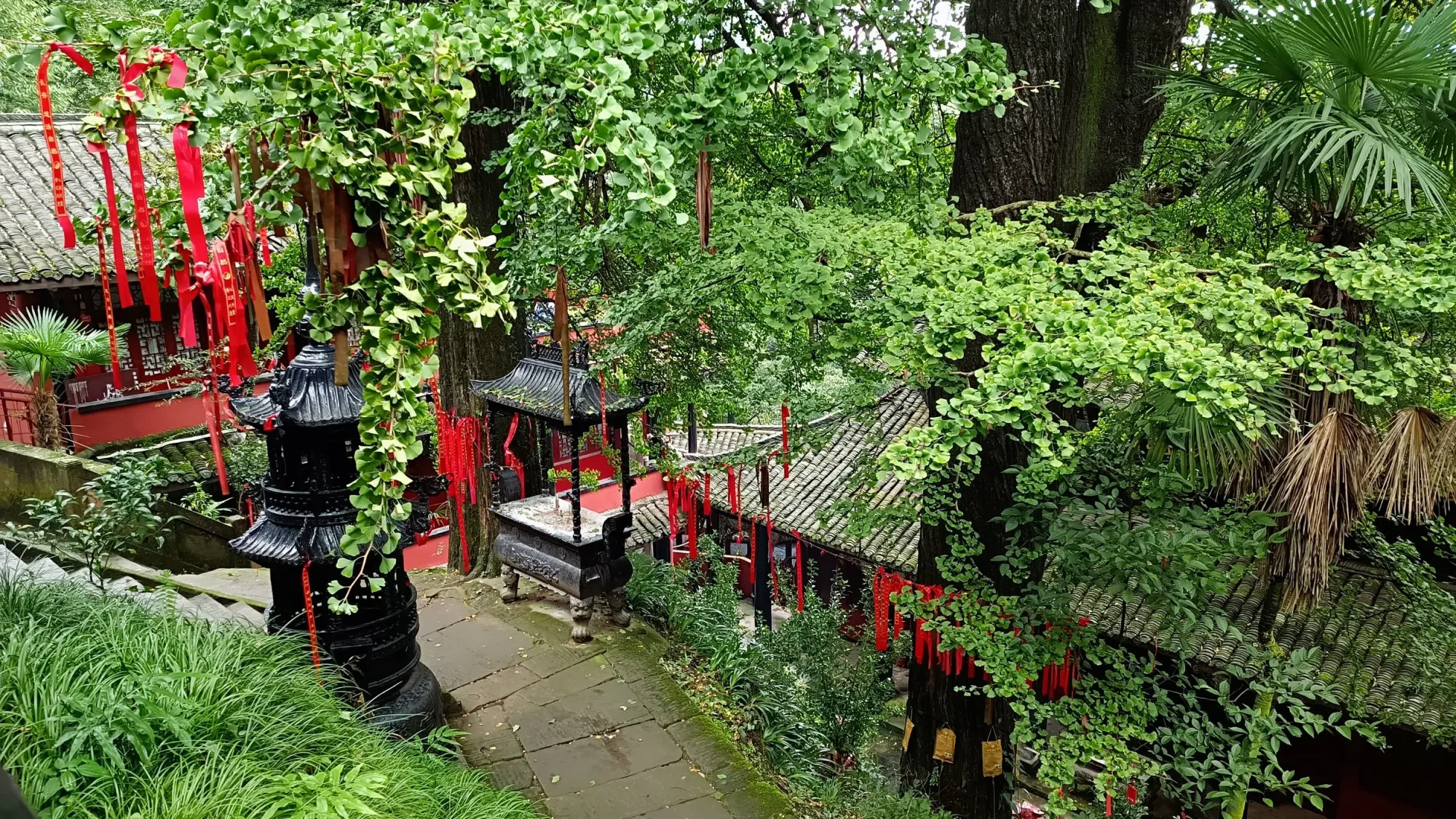
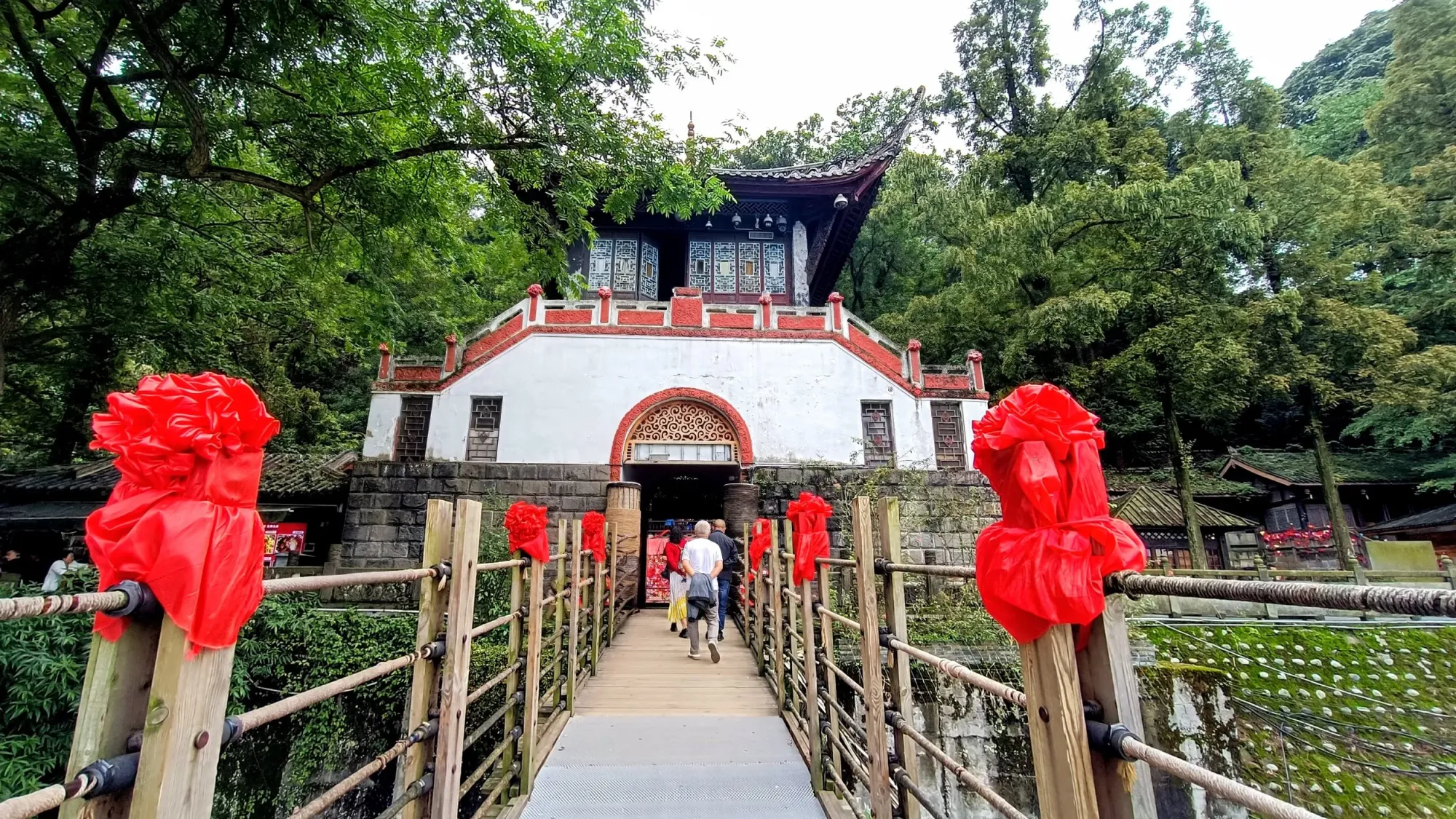
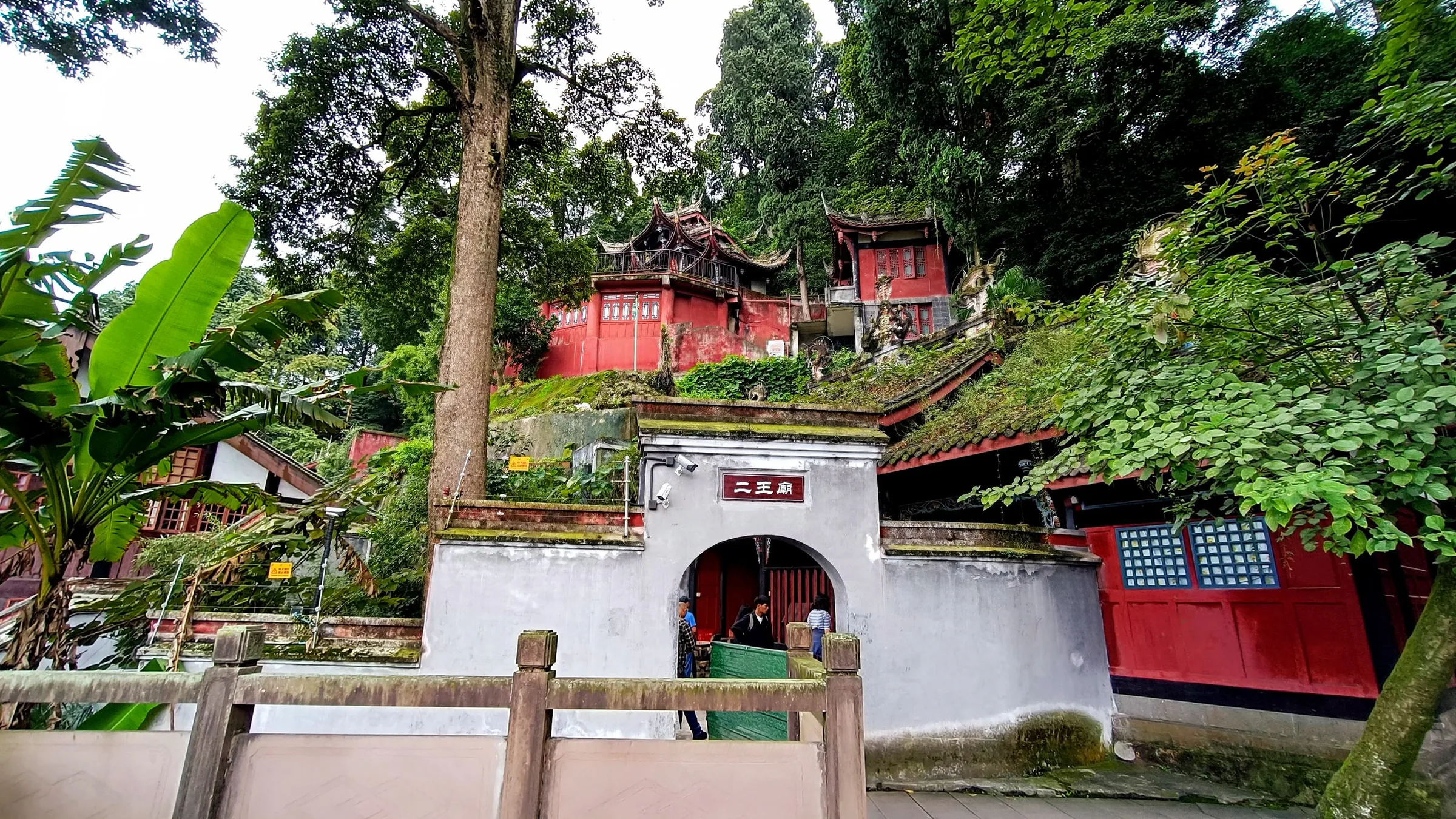
Taoist temples at the Front Mountain
Mount Qingcheng stands as one of the most sacred Taoist mountains in China. The mountain is not only a testament to ancient Chinese philosophy but has also captured the imagination of modern audiences, as it inspired the mythical Panda Village in the beloved DreamWorks movie Kung Fu Panda.
Despite the allure of encountering wild pandas in their natural habitat, the dense trails and the popularity of the mountain can make such sightings challenging. Nevertheless, the cultural richness, stunning landscapes and subtle charm of Mount Qingcheng make it an enchanting destination. Its serene trails wind through ancient temples, hidden caves and dense forests, a surreal backdrop that seems to transport visitors into the animated world of Po.
Read our full guide to the Qingcheng Shan Front Mountain.
 STOP 2
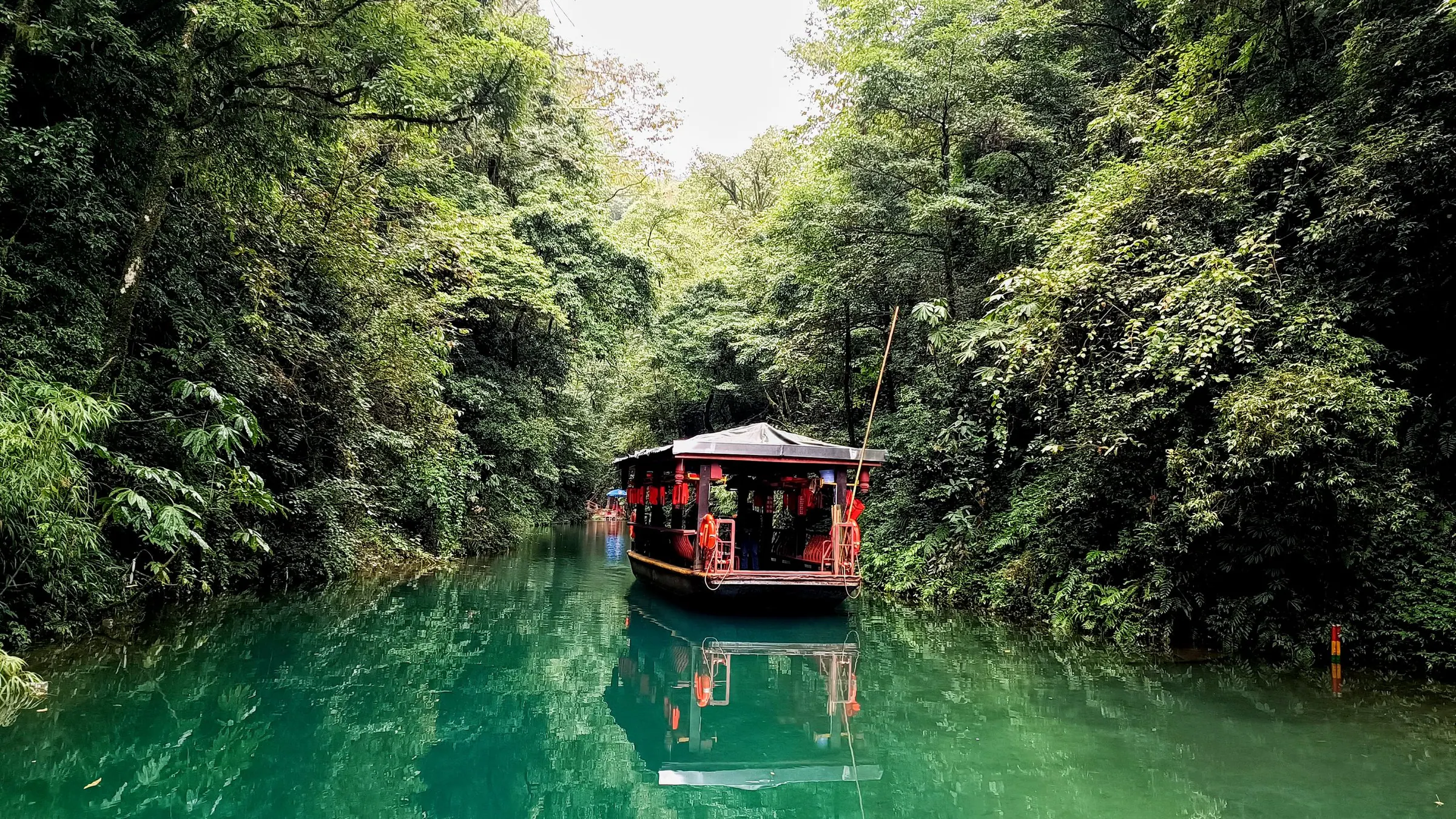
Hiking the Back Mountain
Qingcheng Shan's Back Mountain offers a serene and less trodden path for explorers. Known for its lush landscapes and ancient Taoist heritage, this part of the mountain contrasts with its busier counterpart, rewarding hikers with tranquil forests, mystical cave temples dating back to the Jin Dynasty and a rich biodiversity.
It is also a vital habitat for the giant panda, nestled within dense bamboo forests that are crucial for their survival. This secluded area offers not only a peaceful hike but also a chance to witness China's efforts to conserve its cultural and natural heritage.
 STOP 3
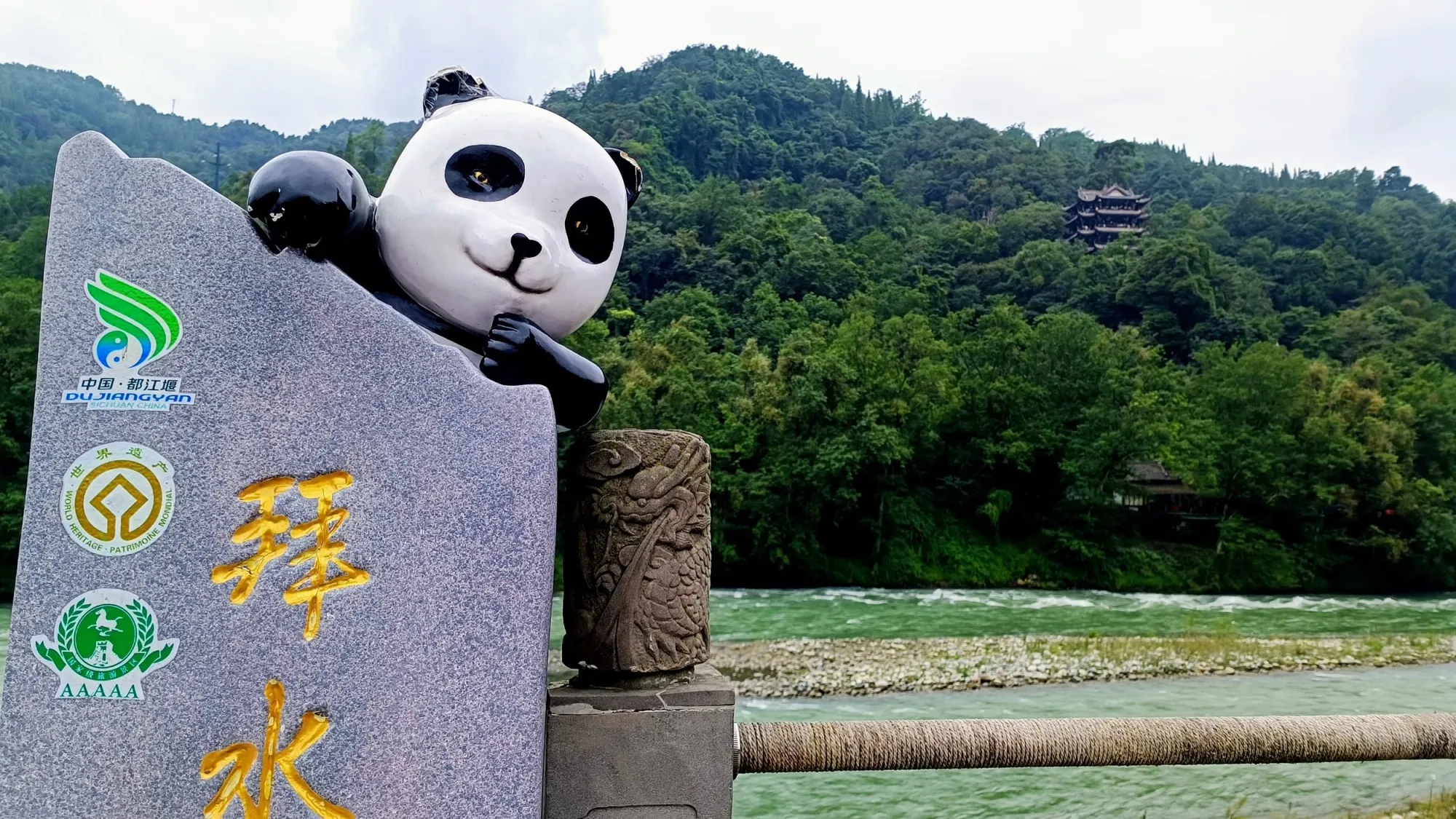
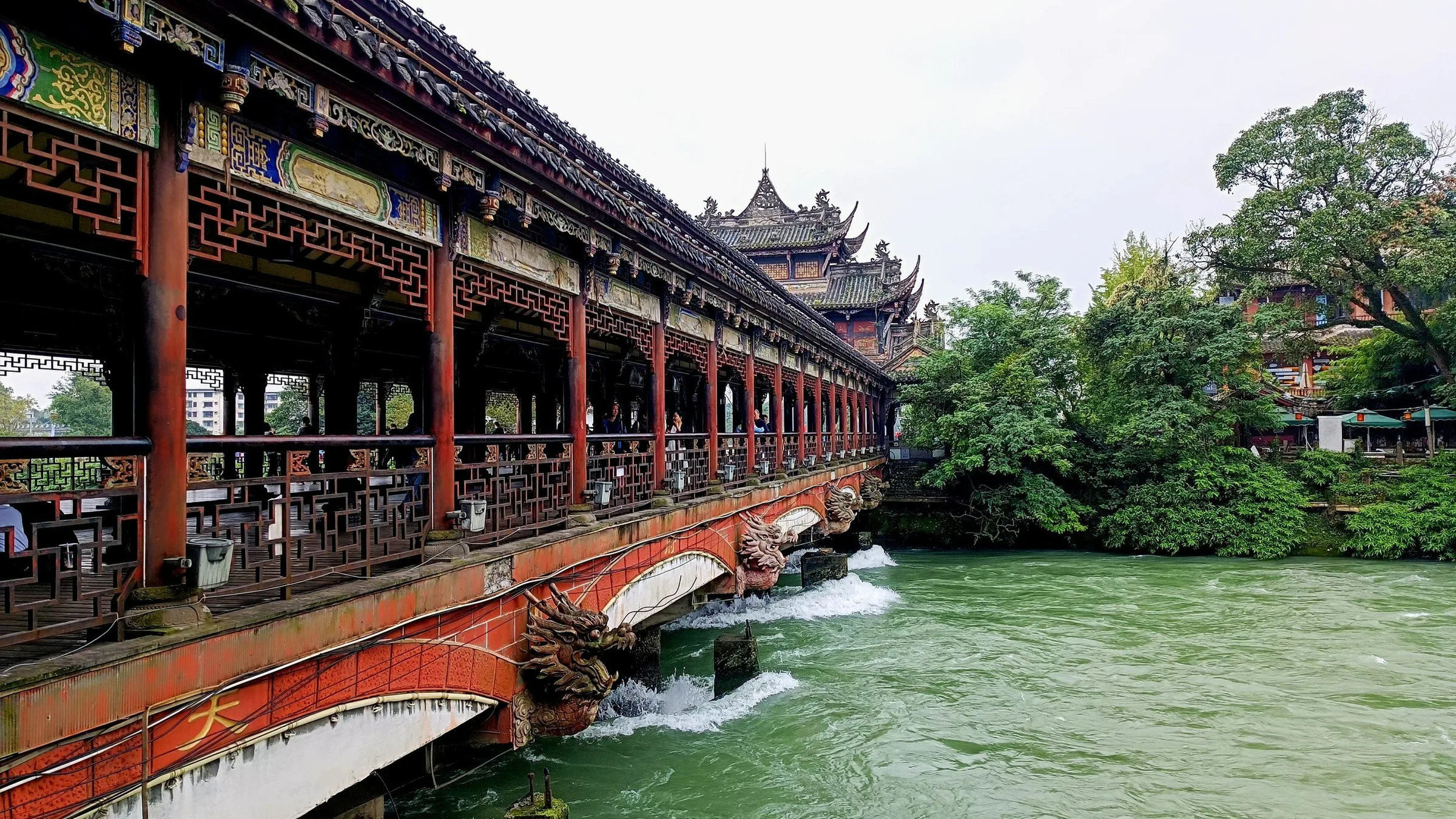
The Dujiangyan Irrigation System
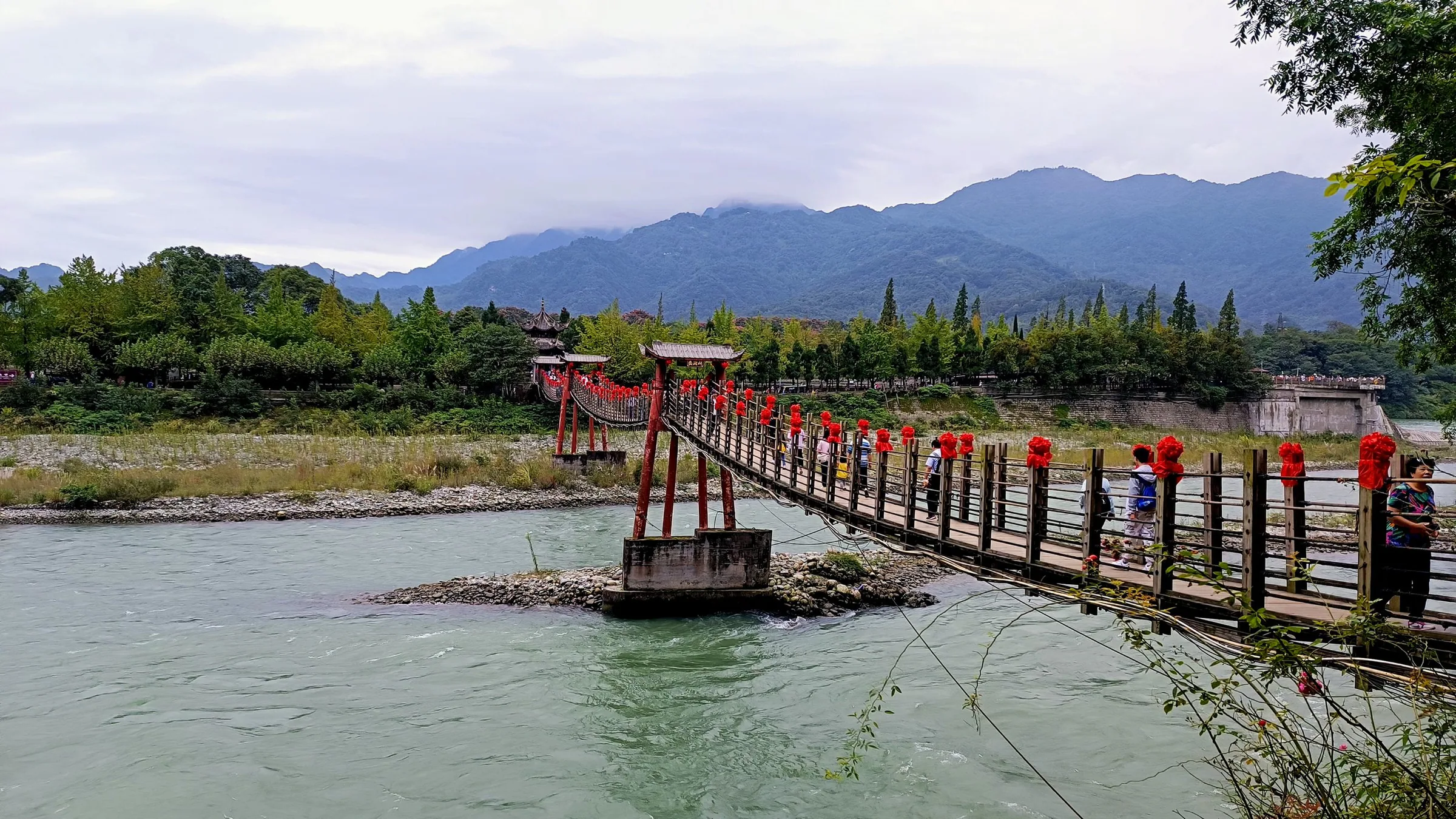
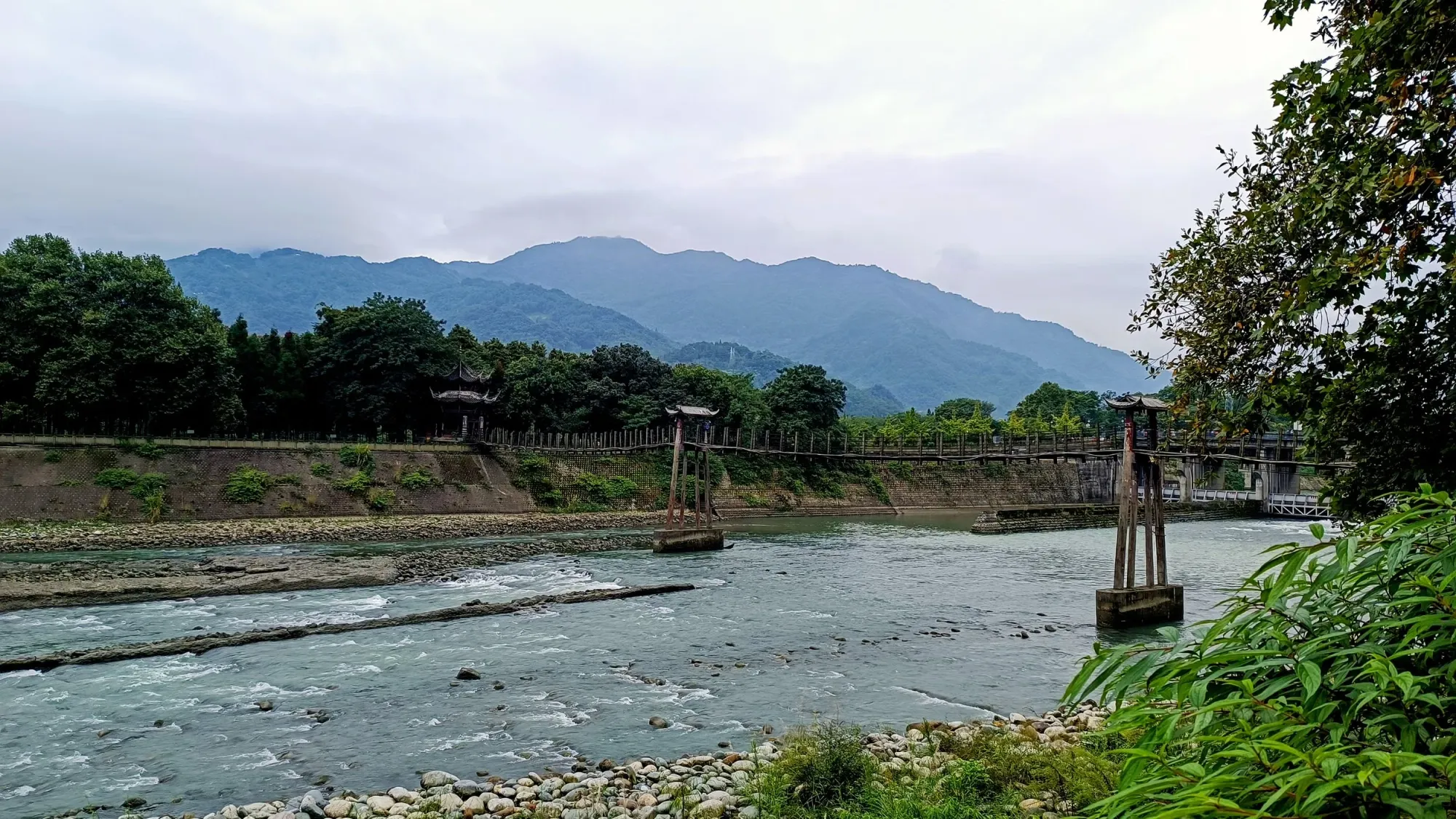
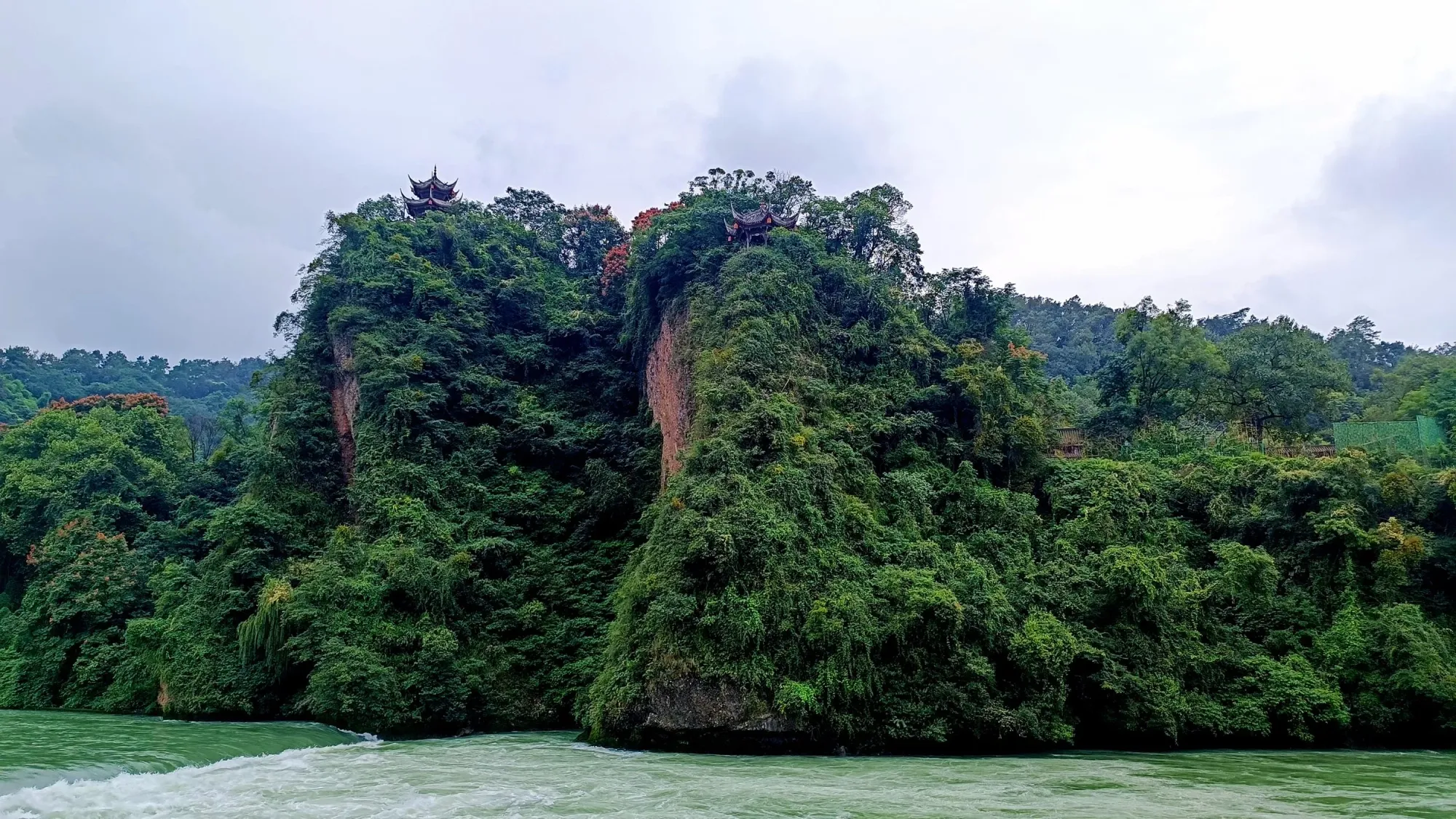
The Dujiangyan Irrigation System is a marvel of ancient engineering in Sichuan province. This UNESCO World Heritage Site offers visitors a glimpse into China's rich history and innovative spirit.
Built over 2,000 years ago during the Qin Dynasty, the system still controls the flow of water from the Min River to the Chengdu Plain, ensuring irrigation for agriculture and flood control for the region.
Walking along its intricate network of canals and levees, visitors are transported back in time to admire the ingenuity of Li Bing, the system's chief engineer. This engineering wonder not only sustains the fertile lands of the Chengdu Plain but also shows how ancient Chinese civilisation worked in harmony with its natural surroundings.
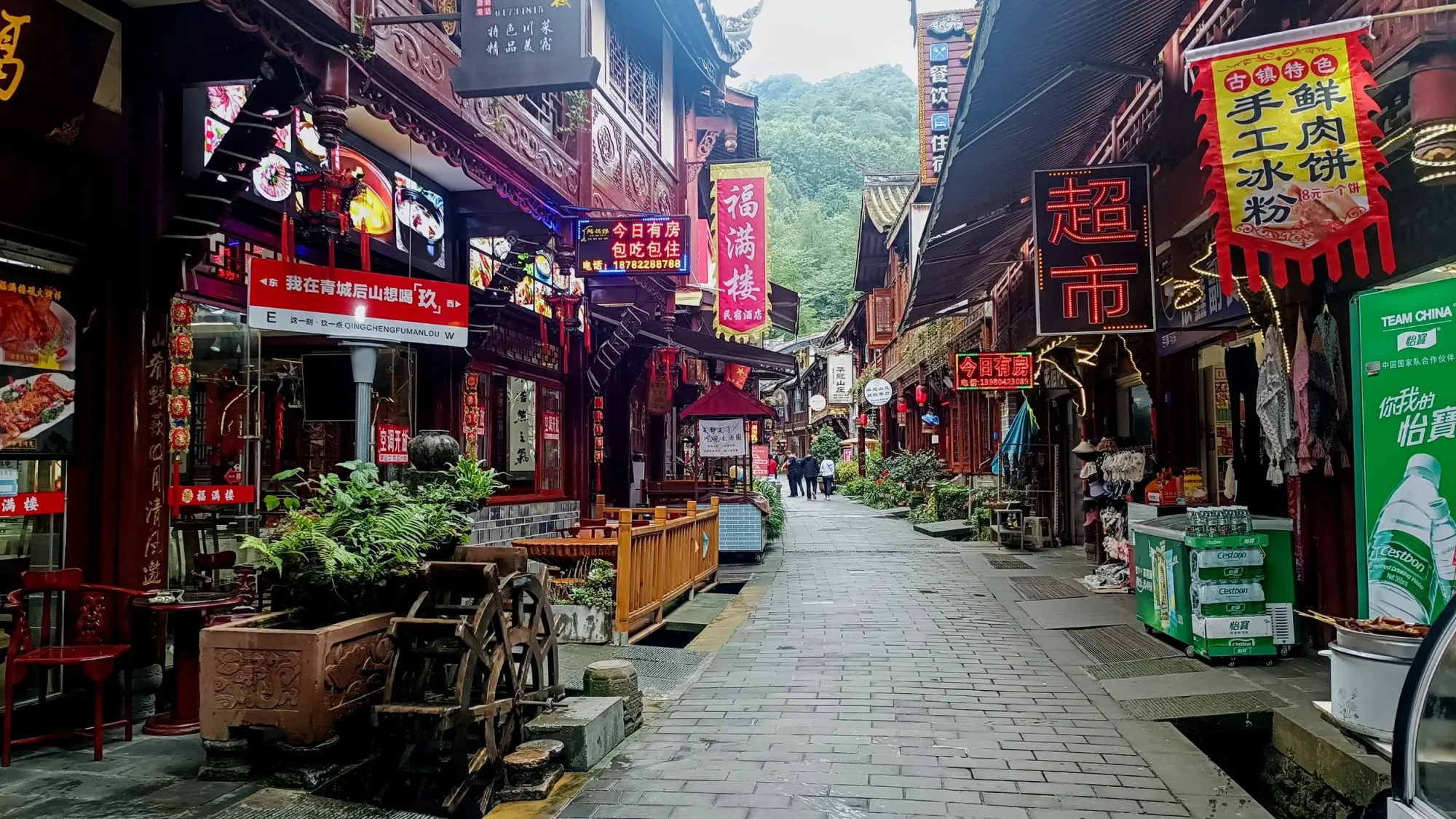
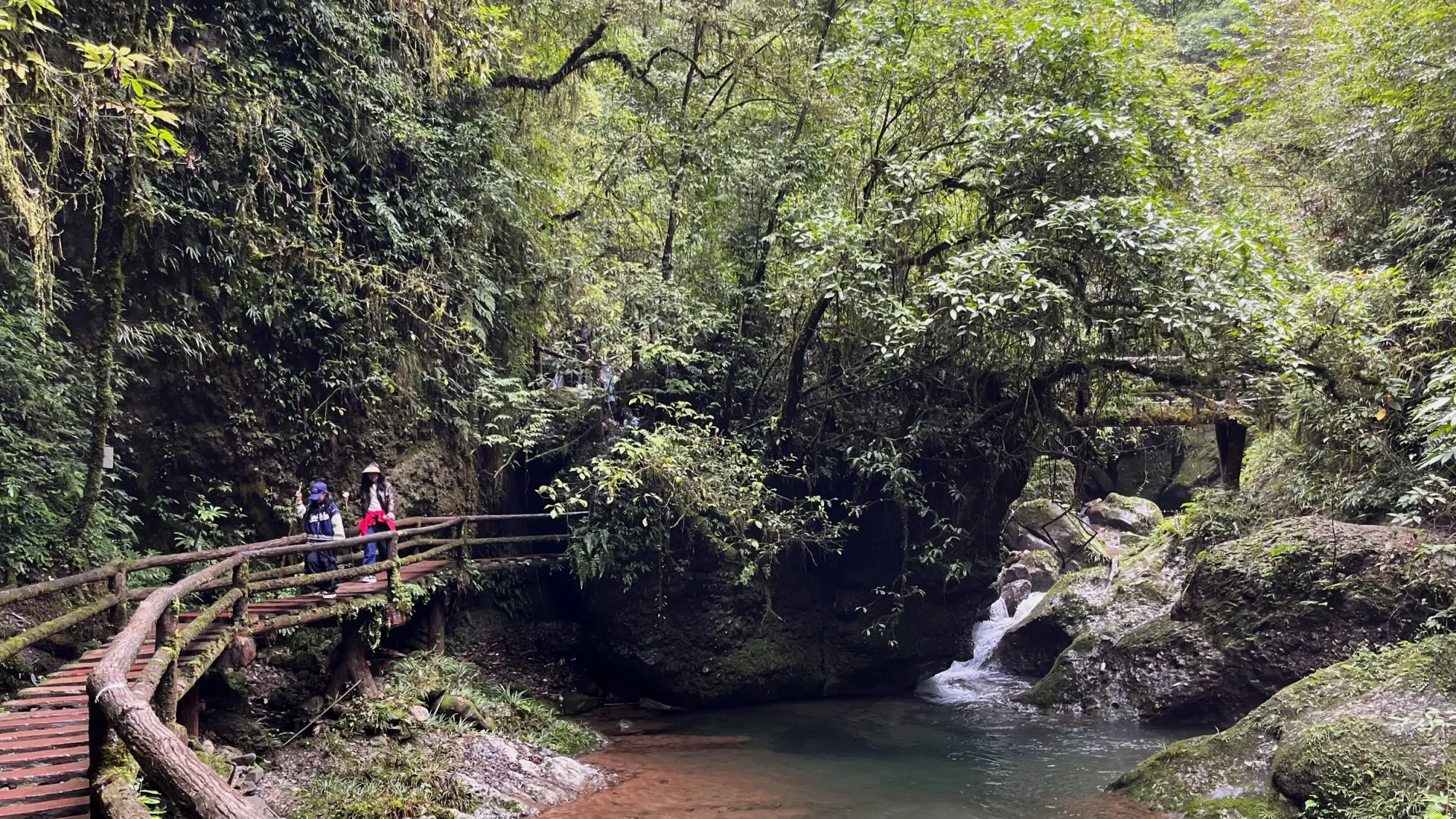
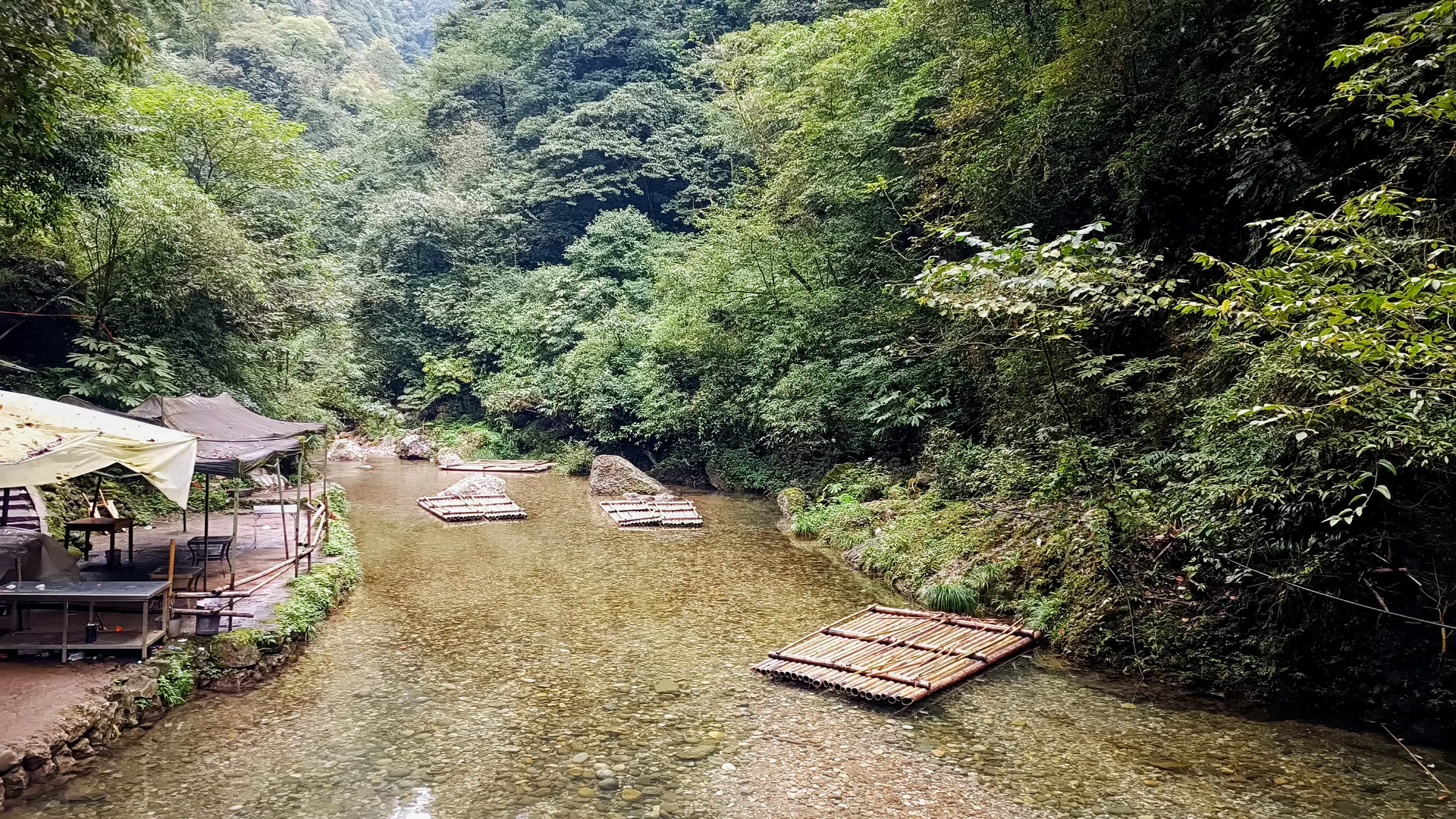
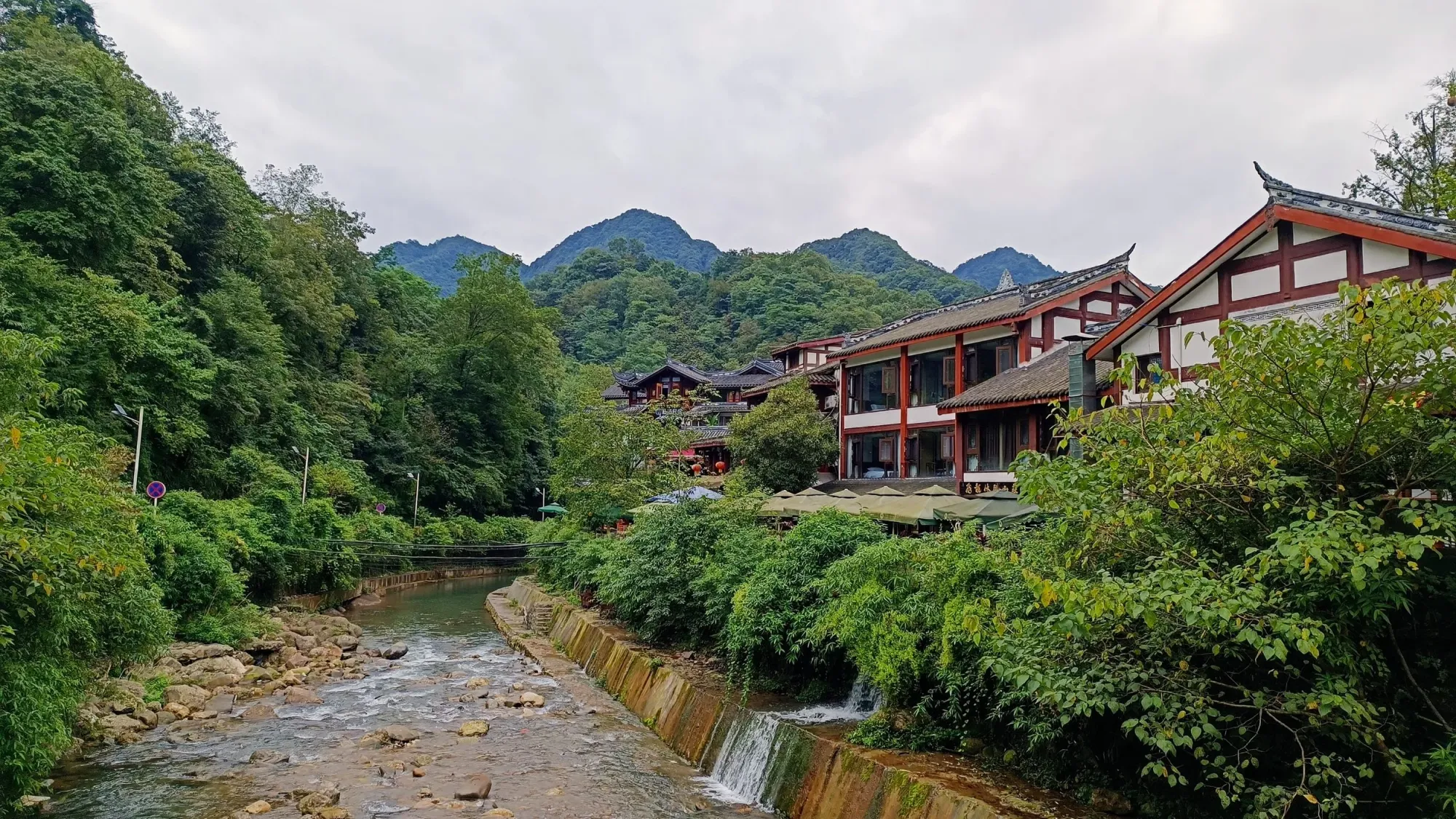
What to eat
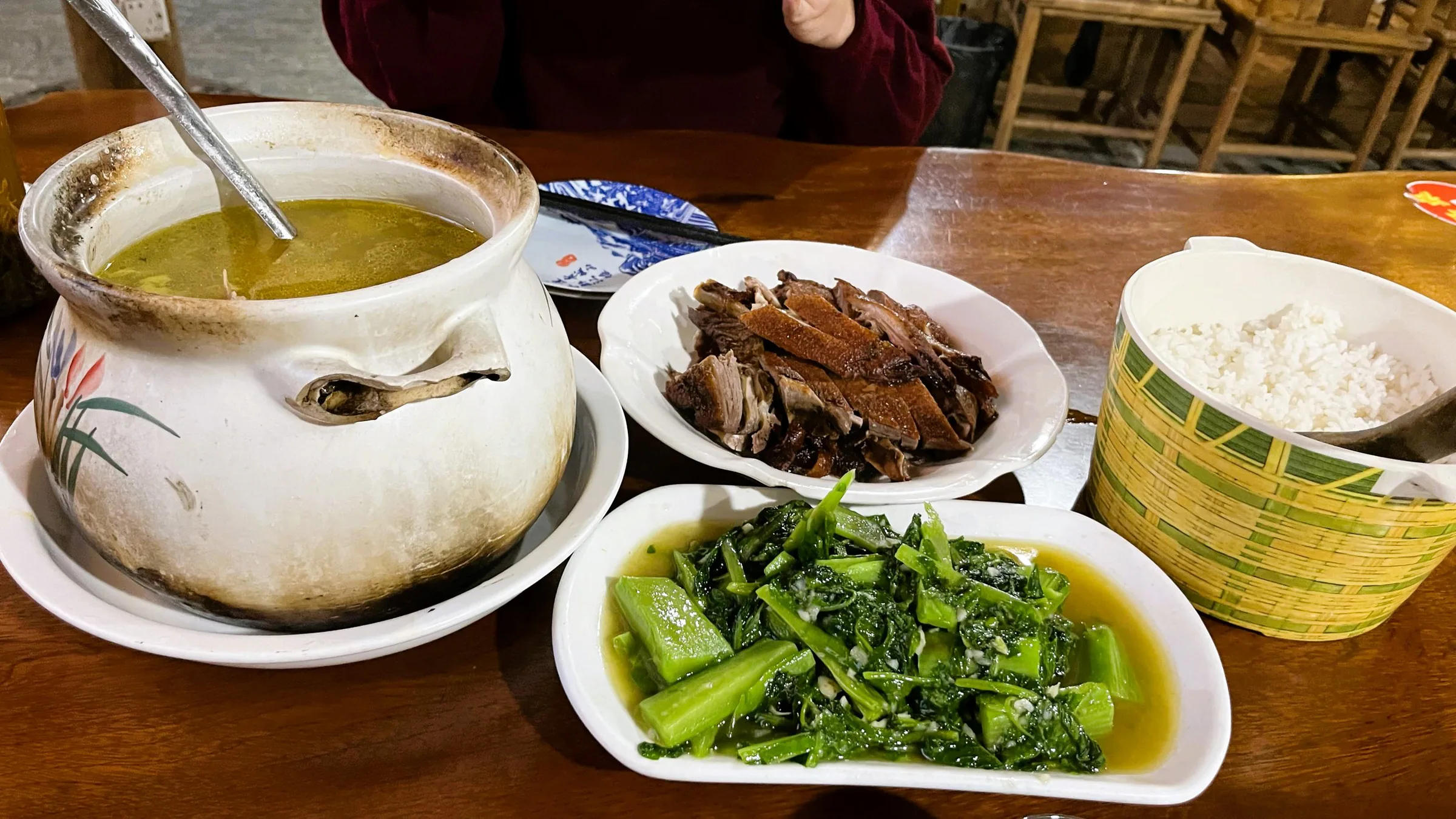
In the heart of Sichuan province, Qingcheng Shan beautifully captures the essence of the renowned Sichuan cuisine. While it is known for its fiery flavours, there is a delightful variety of options to suit all tastes. The restaurants' beautifully decorated outdoor seating areas create a welcoming atmosphere among nature for guests to unwind and enjoy a memorable meal.
One of the highlights of Qingcheng Shan is its emphasis on incredibly fresh ingredients sourced directly from local farms, some of them grown right on the restaurant premises.
Chicken and freshwater fish are also produced locally and are popular choices. For those who prefer milder flavours, a must-try dish is the famous soup in which a whole chicken is slow-cooked until the meat is incredibly tender and falls effortlessly off the bone.
Where to stay
Qingcheng Shan offers a range of accommodation for diverse preferences and budgets. Most rooms have stunning views of the surrounding mountains and cosy spaces that blend modern amenities with traditional charm.
Many options feature thermal pools to relax and recover after exploring the mountains. If you can spend a bit more, we highly recommend choosing one with outdoor thermal pools, a unique and relaxing experience under the stars. You can browse hotels in Qingchengshan on Trip.com.
Getting there
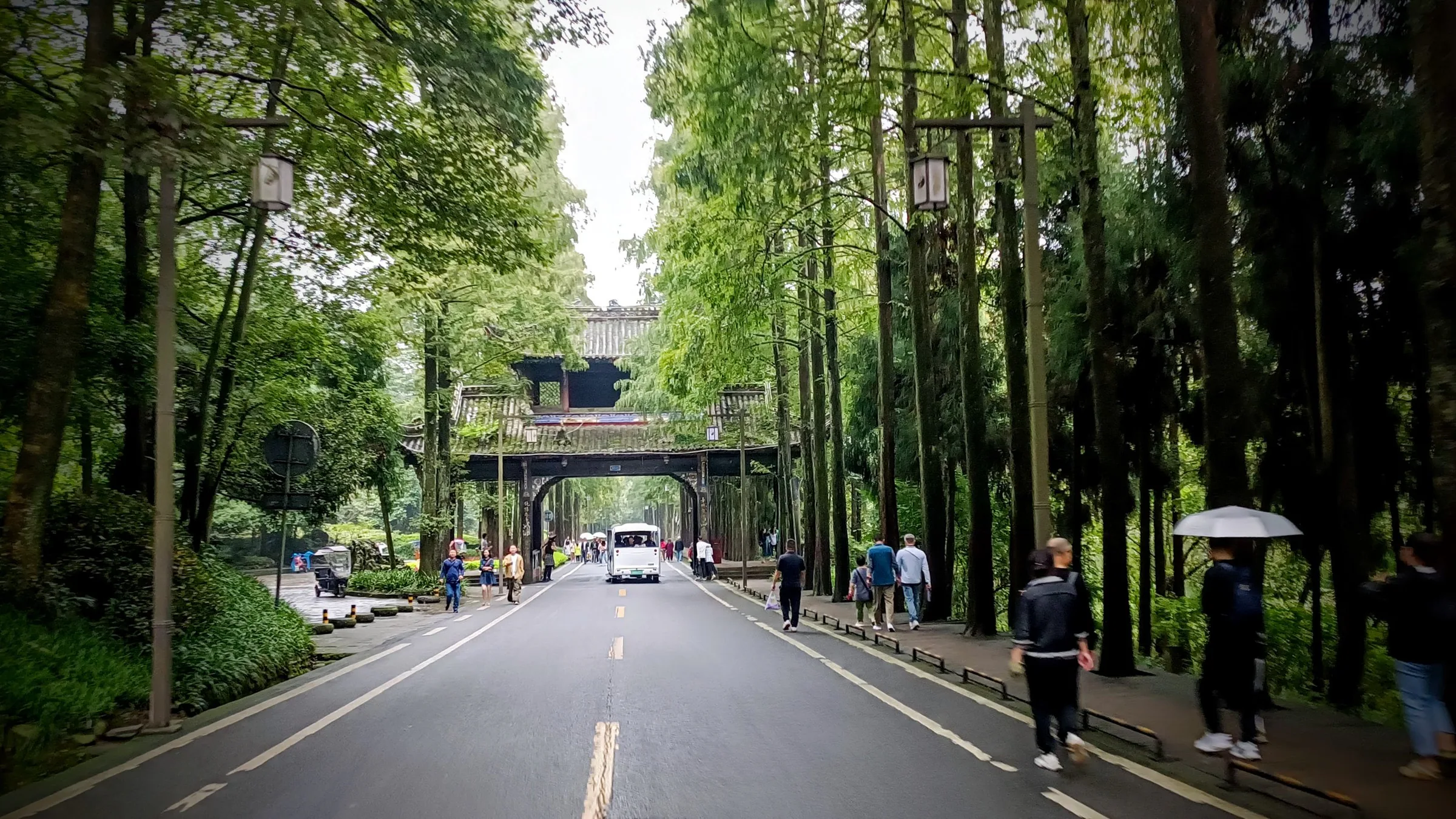
Qingcheng Shan lies in the heart of Sichuan province. This picturesque UNESCO heritage site is close to the provincial capital, Chengdu, which makes it a convenient base for exploring. The easiest way to get there is one of the many organised trips that regularly depart from Chengdu.
However, if you want more time and flexibility to explore the marvels of Qingcheng Shan, the simplest alternative is the train.
Getting to Chengdu: fly into Chengdu Shuangliu International Airport, the nearest major airport. High-speed trains to Chengdu run from all major cities in China, such as Beijing, Shanghai, Guangzhou and Chongqing. They are affordable and very frequent, and can be booked in advance on Trip.com. Booking ahead is advisable, especially on holidays, when tickets sell out quickly. Chengdu sits on the Chengdu Plain, about an hour from the mountains, but it is far from other major cities, so travelling by bus or slower trains is not advisable, as the journeys take much longer.
From Chengdu to Qingcheng Shan: the best way is the high-speed train from Xipu Station in Chengdu. It takes about 30 minutes and costs 10 RMB. Trains are not very frequent, so booking in advance is highly recommended, as they usually sell out, especially on holidays and weekends.
Best time to visit
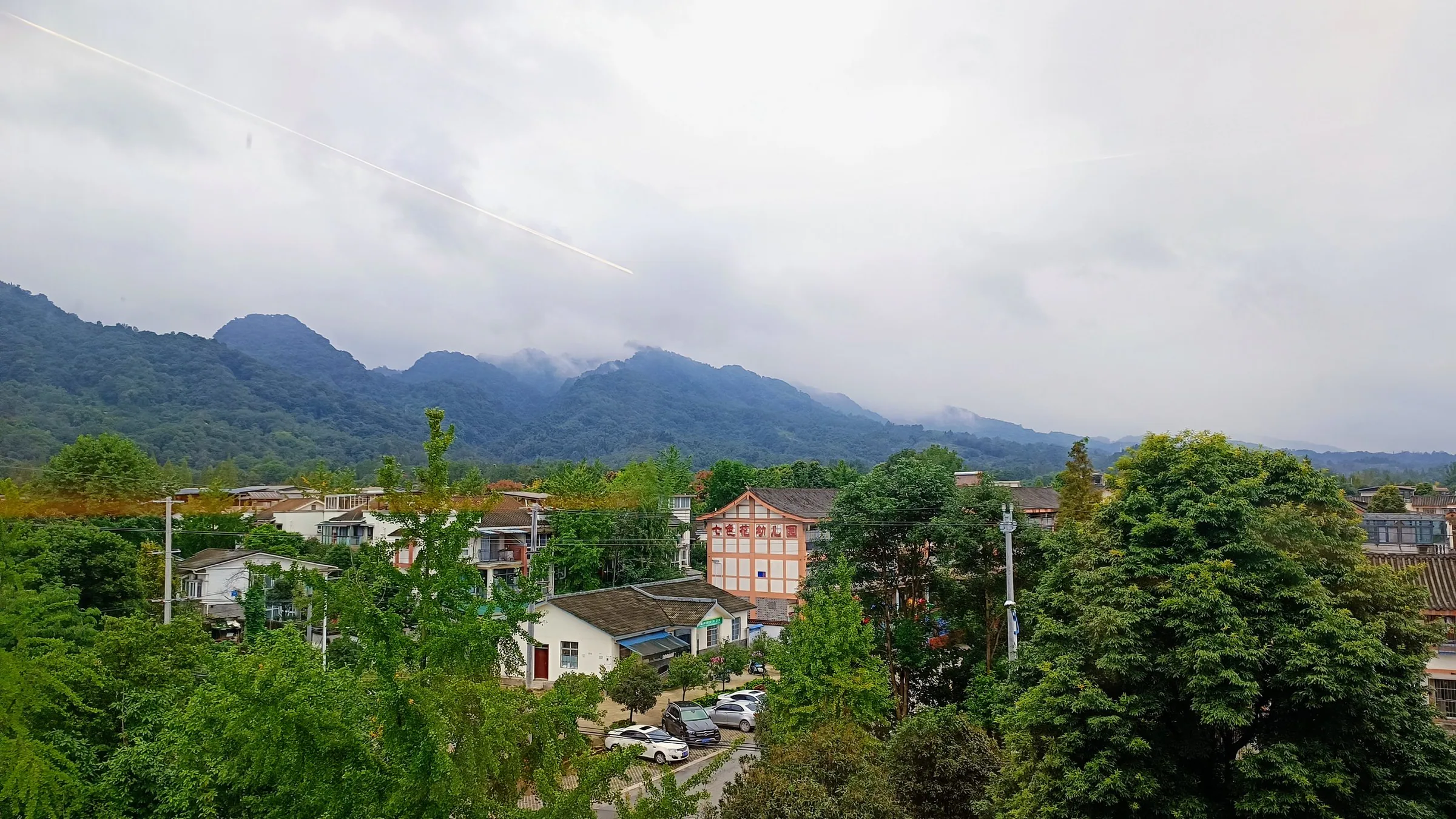
Spring (March to May): the mountain comes alive with vibrant colours as flowers bloom, creating a picturesque landscape. The weather is generally mild, comfortable for hiking and exploring the scenic trails.
Autumn (September to November): like spring, autumn offers mild temperatures suited to outdoor activities, and the foliage paints the mountain in red, orange and yellow. It tends to be less crowded than the peak summer months, for a more tranquil experience.
Summer (June to August): can be hot and humid, which may make hiking less comfortable. Still, the area has the mildest summer temperatures in Sichuan province, which makes it popular during the summer holidays, with larger crowds and longer waits at popular attractions.
Winter (December to February): colder temperatures, and some areas of the mountain may see snowfall. If you don't mind the cold, winter can be a quieter time to visit with fewer tourists.
Travel tips
To book hotels and even trains in China from abroad, Trip.com is your best bet. It has a wide range of options and is much more affordable than a traditional travel agency.
When travelling to a country as different as China, we recommend getting travel insurance such as Insubuy or VisitorsCoverage.
Mobile data on a trip is crucial but can be a real headache. Airalo is an incredibly convenient eSIM that you can top up if you need more data (a recommended and proven option in China, able to bypass the Chinese firewall), and DrimSim offers universal physical SIM cards.