- How long
- About one day
- Entry ticket
- 90 RMB
- From Chengdu
- ~30 min by train from Xipu
- Summit
- 1,260 m, crowned by a pagoda
Nestled in the lush landscapes of Sichuan province, Mount Qingcheng Front Mountain (the Qingchengshan front entrance) stands as one of the most sacred Taoist mountains in China.
The mountain is not only a testament to ancient Chinese philosophy but has also captured the imagination of modern audiences, as it inspired the mythical Panda Village in the beloved DreamWorks movie Kung Fu Panda.
Despite the allure of encountering wild pandas in their natural habitat, the dense trails and the popularity of the mountain can make such sightings challenging.
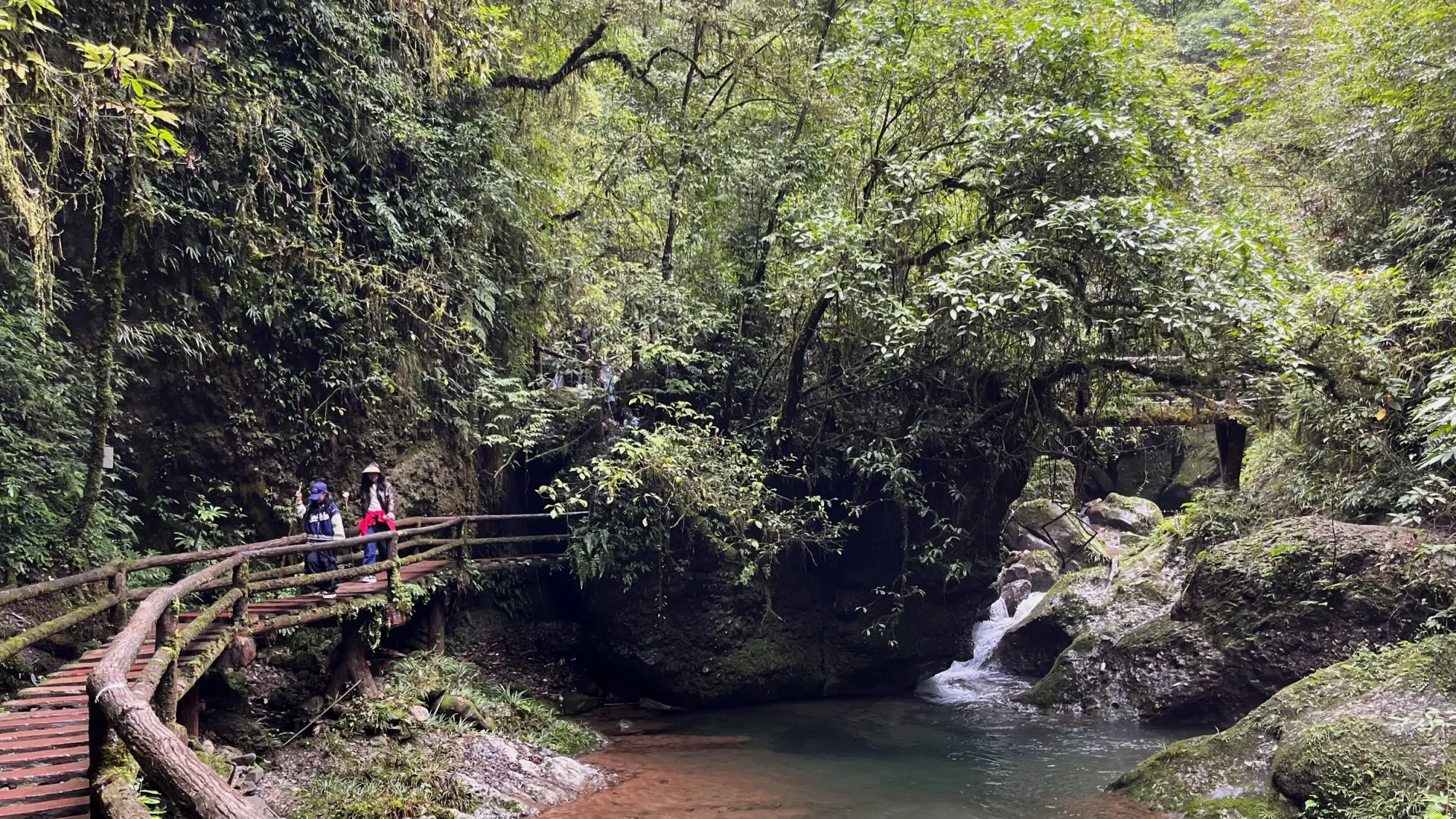
Nevertheless, the cultural richness, stunning landscapes and subtle charm of Mount Qingcheng make it an enchanting destination. Its serene trails wind through ancient temples, hidden caves and dense forests, a surreal backdrop that seems to transport visitors into the animated world of Po.
“The ever-shifting clouds and misty forest below create a spellbinding panorama.”
What to see
 STOP 1
Climbing up the hill
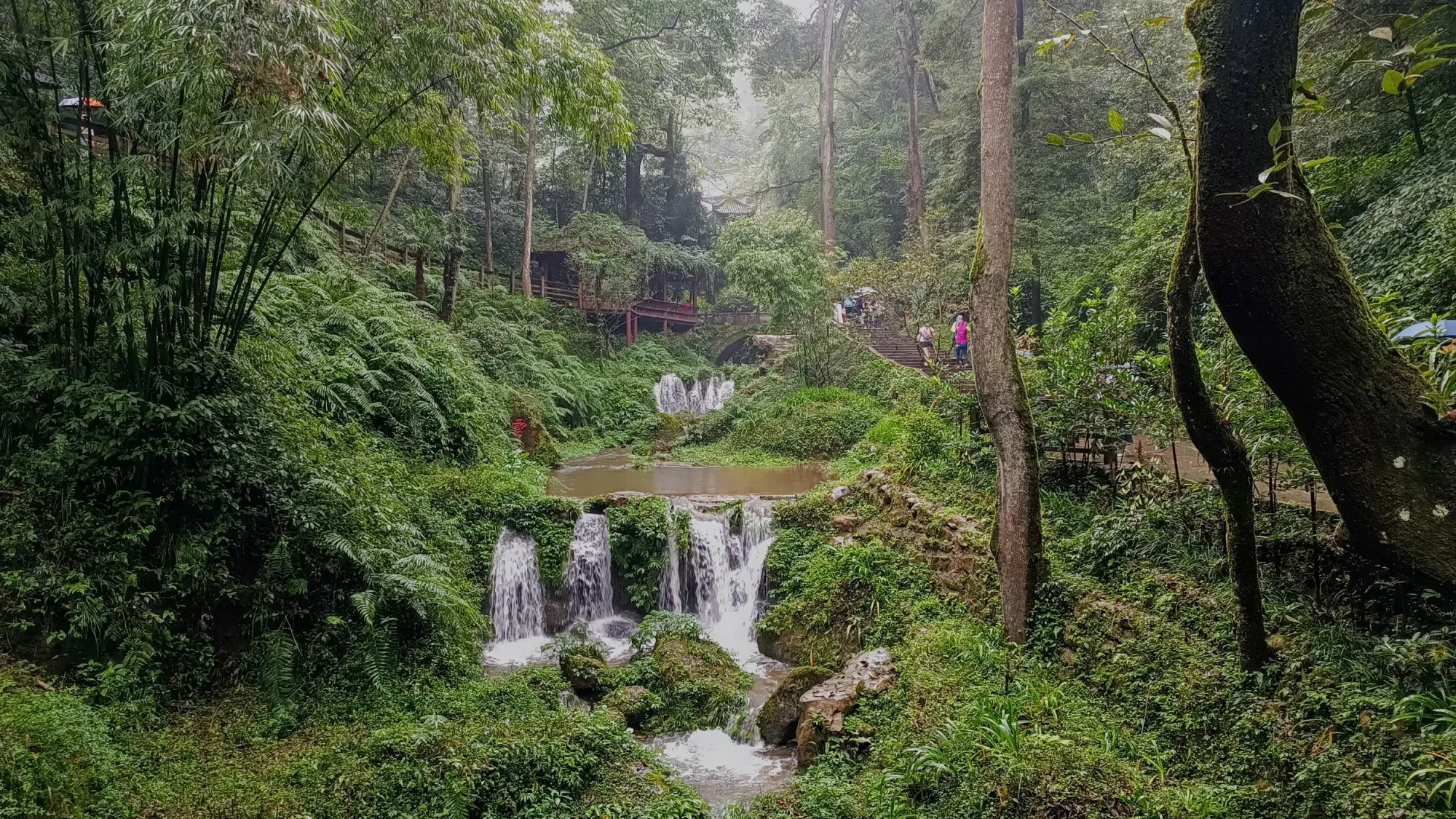
After passing through the majestic Arch of Mt. Qingcheng, the journey begins with a captivating ascent through the misty forest leading to Yuecheng Lake. We crossed this enchanting little lake on a beautiful traditional boat.
On the other shore you will find a convenient cable car station, offering a direct route to the top of the mountain. The terrain here is not overly steep, and while there are fewer temples in this area, the natural beauty around us led us to explore this idyllic landscape on foot.
 STOP 2
Main temples at the top of the mountain
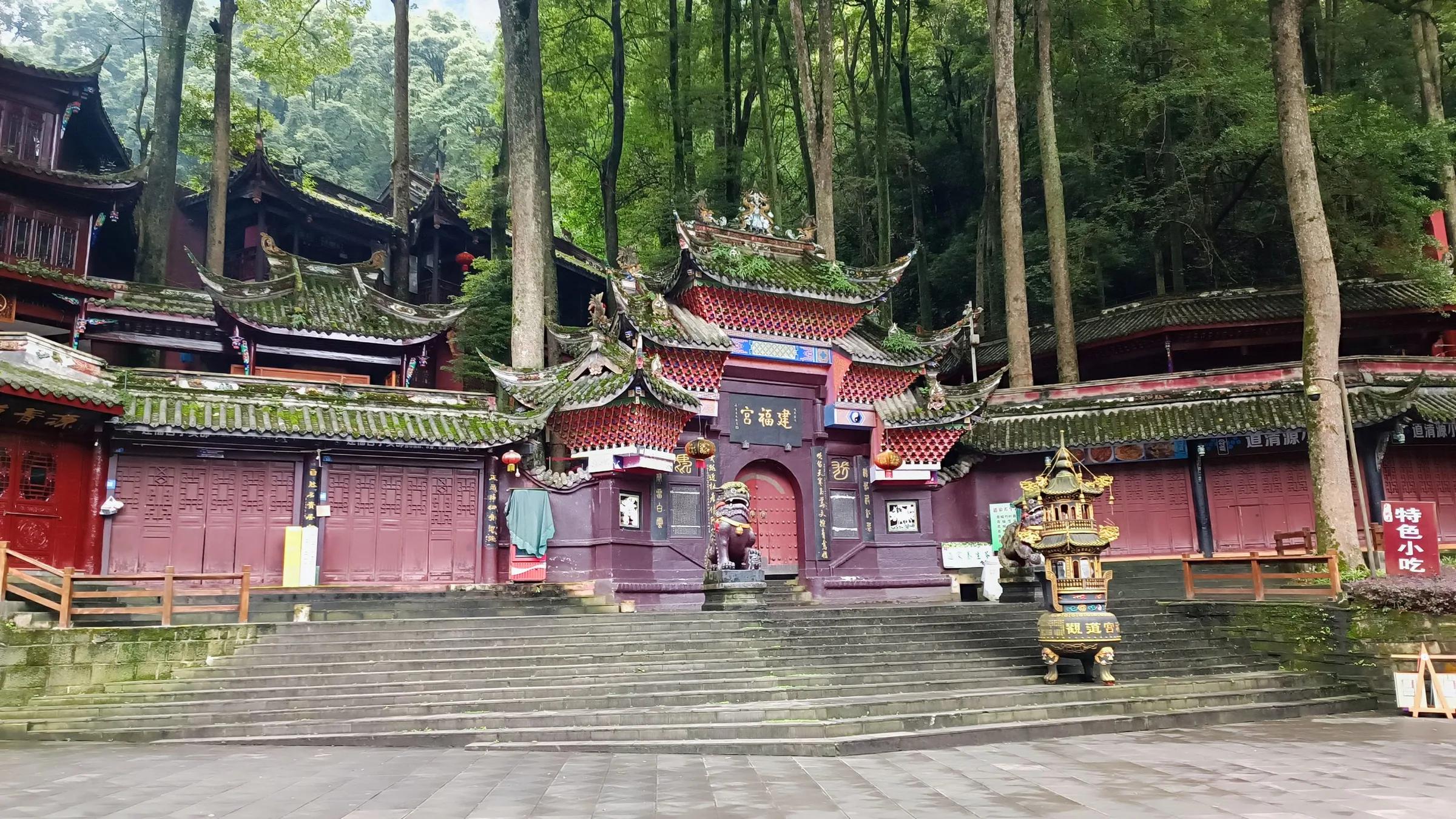
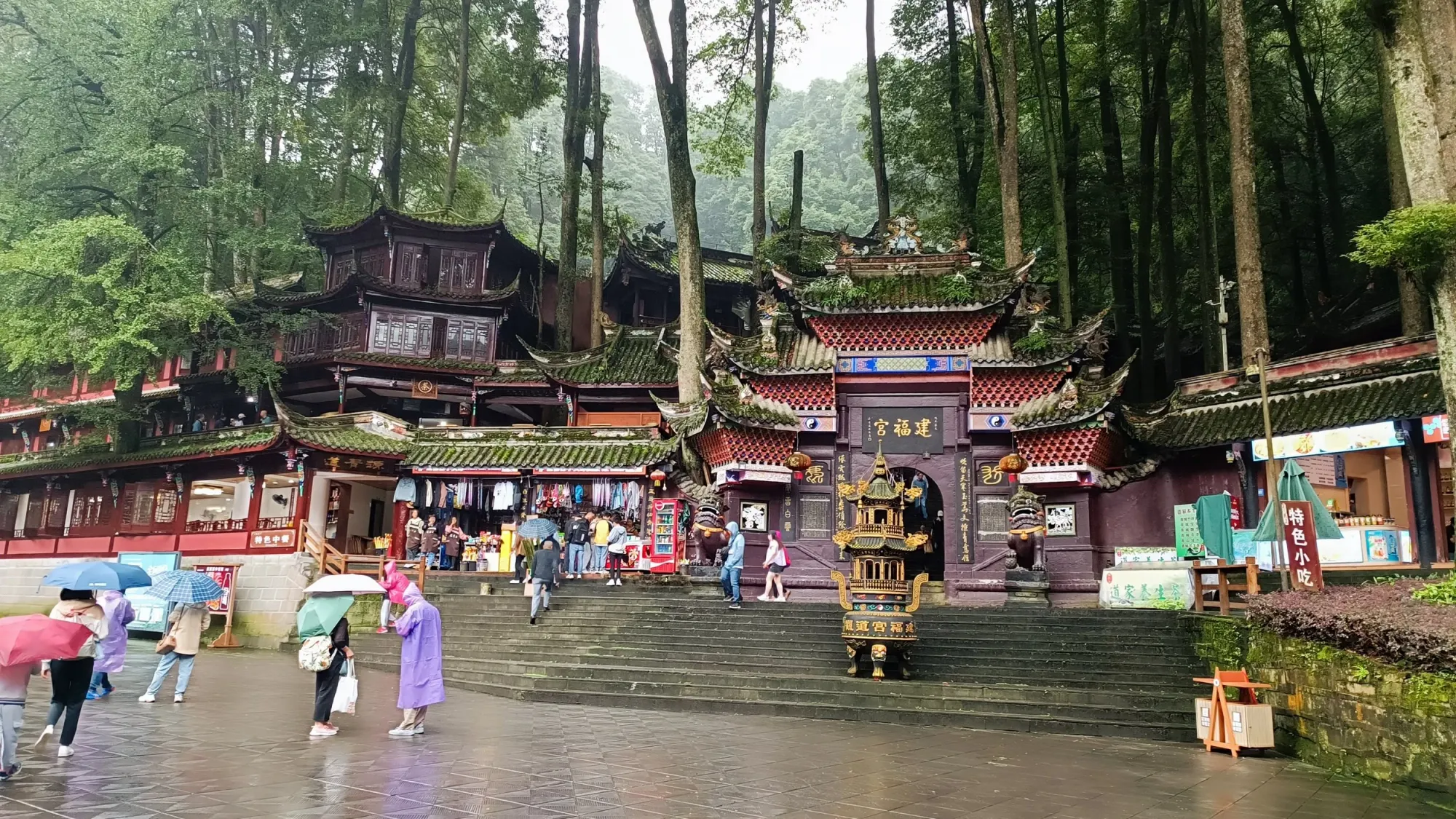
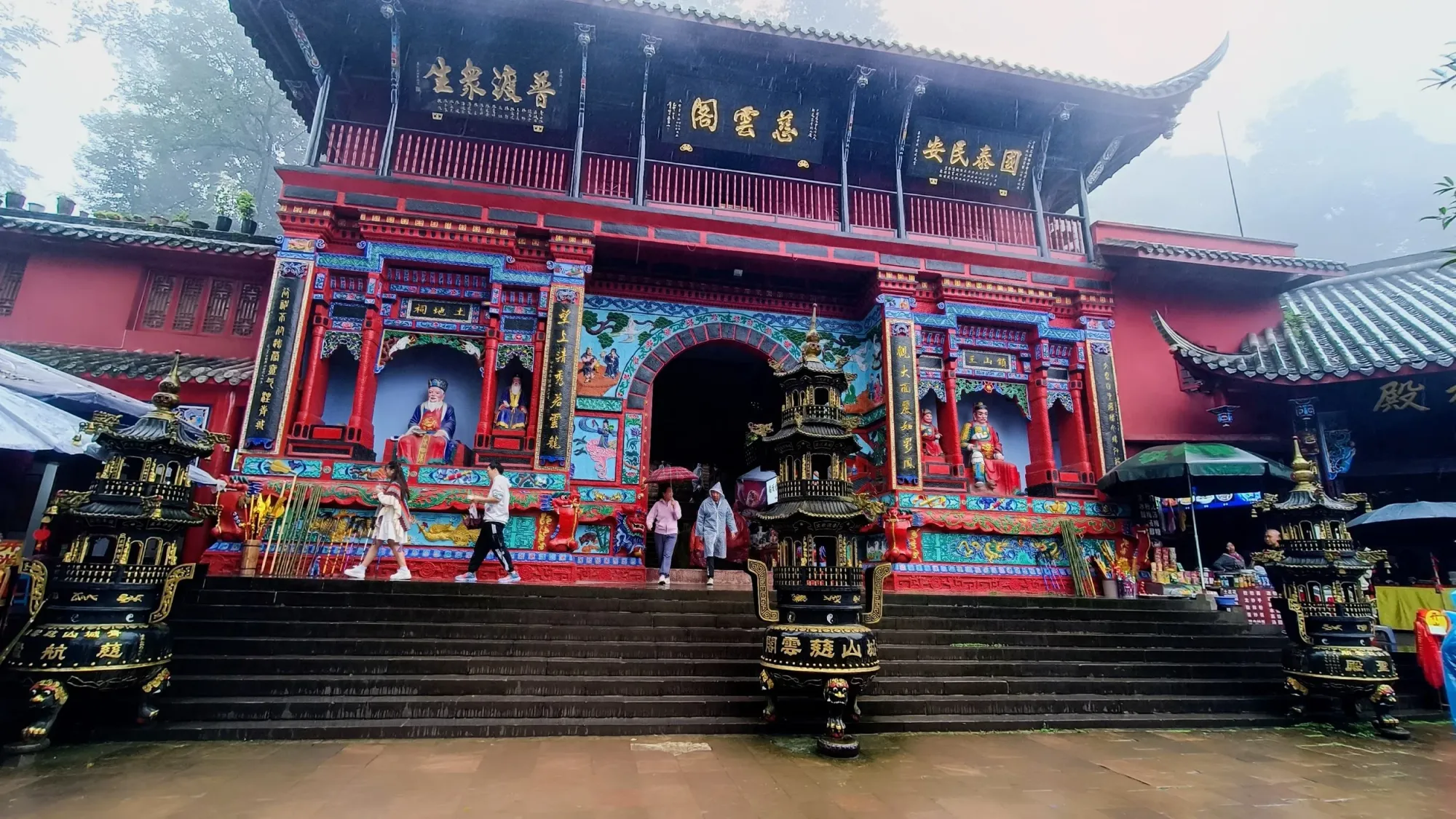
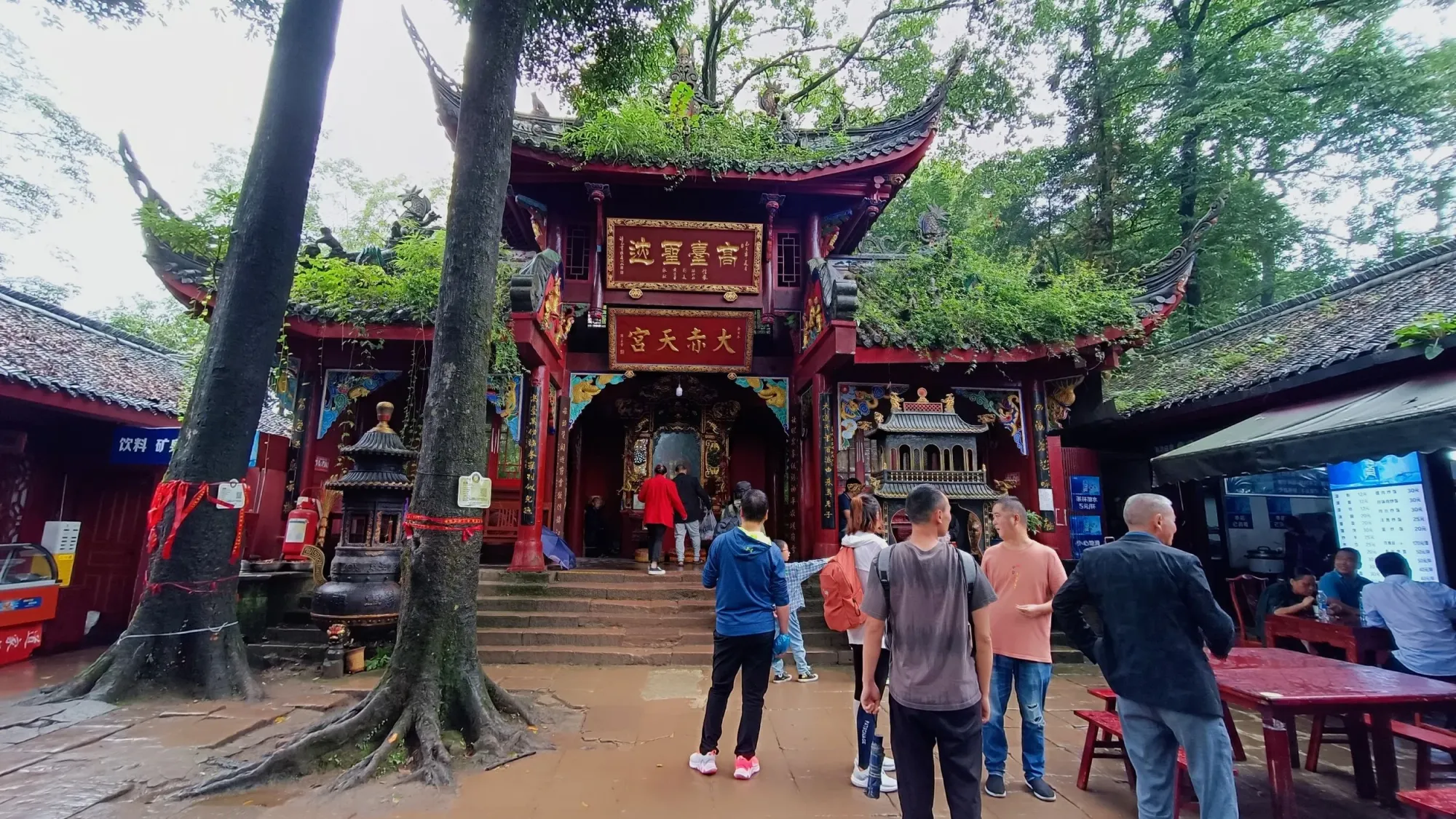
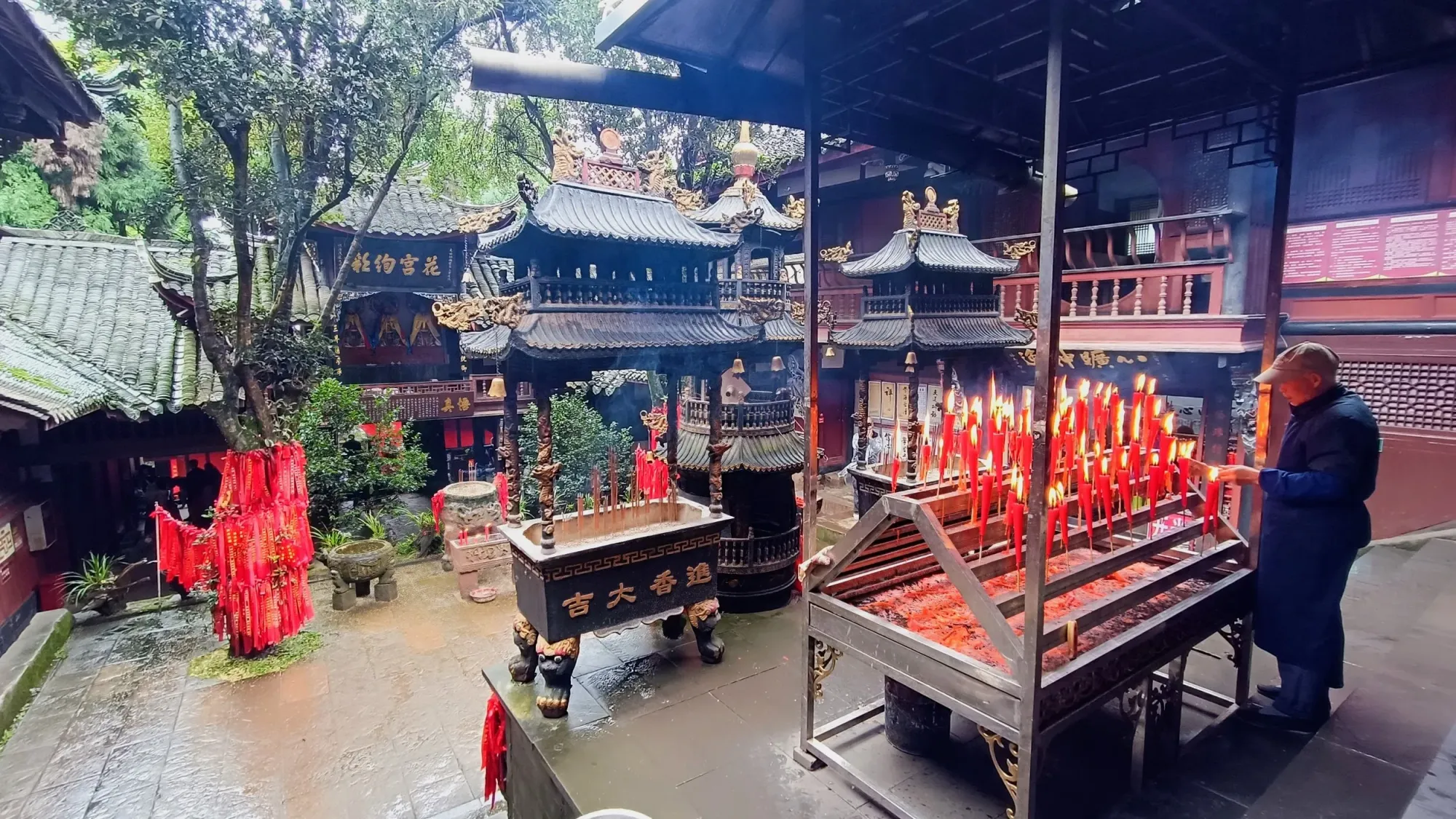
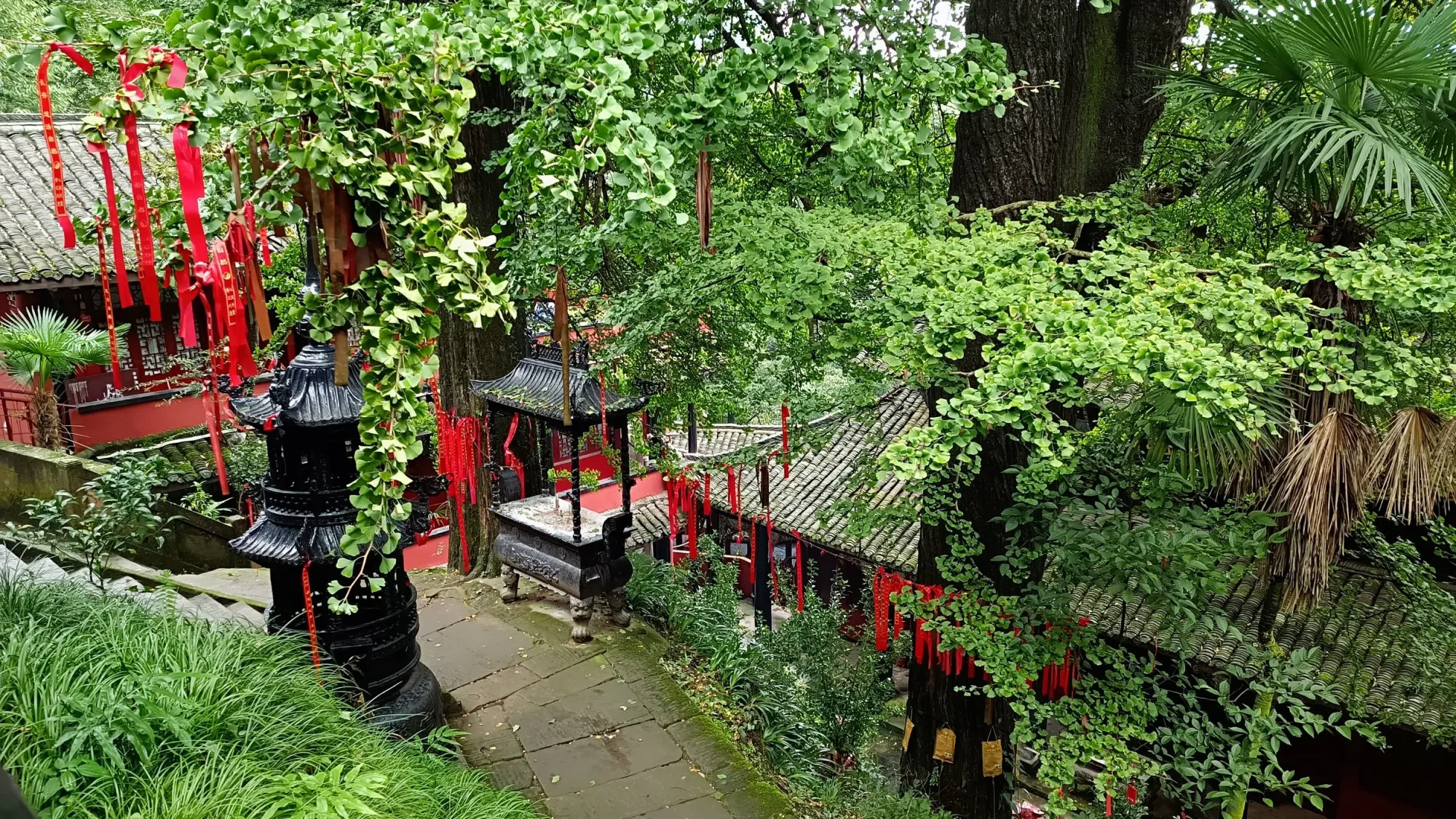
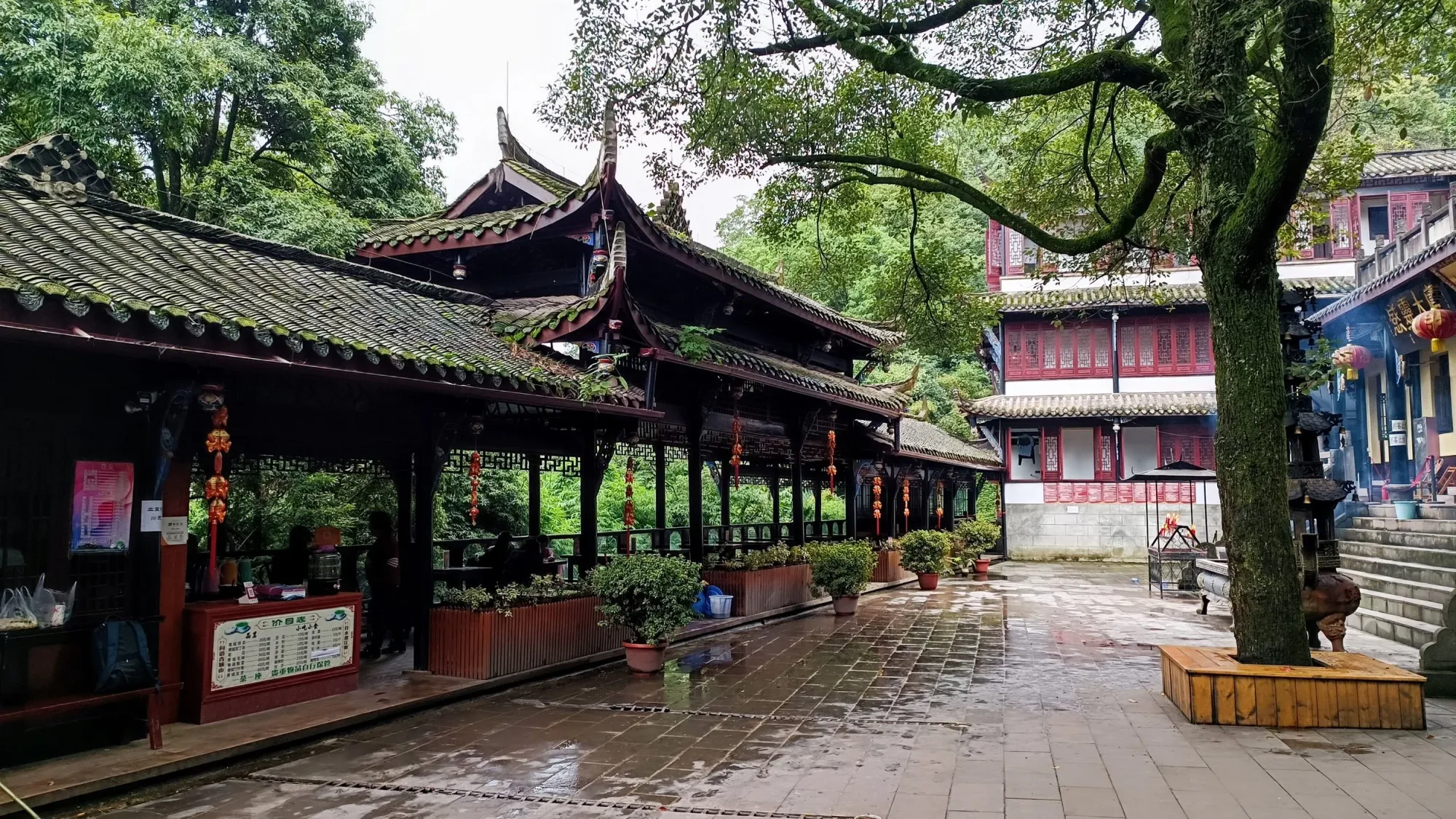
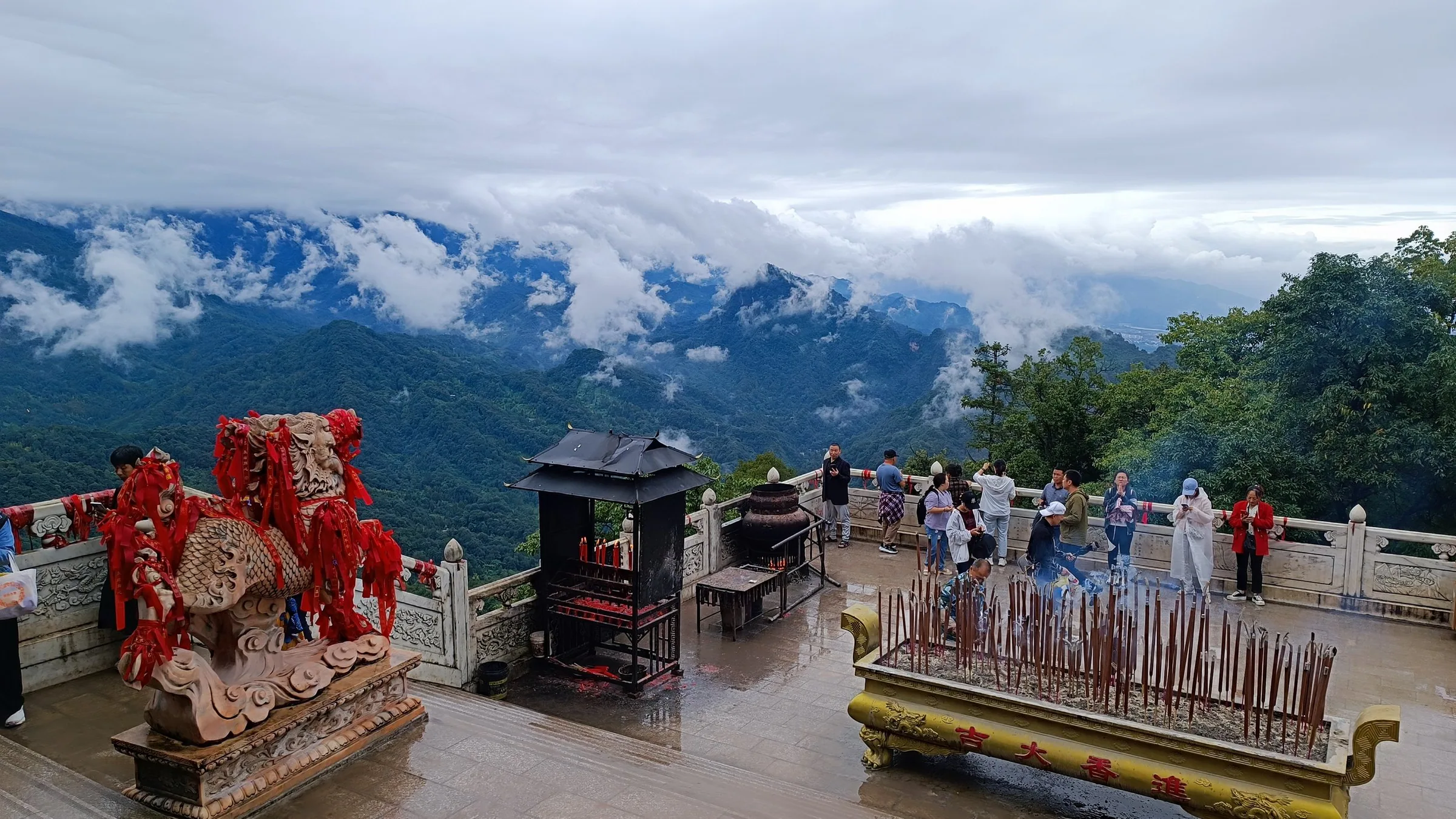
Upon reaching the upper cable car station, you step into one of the most captivating areas of the mountain, where dozens of pavilions and temples adorn the slopes. The aromatic smoke from incense burners blends with the smells of the many food stalls scattered around.
Amid this vibrant atmosphere, the Shangqing Palace stands as a magnificent testament to the mountain's rich history and spirituality.
 STOP 3
The summit
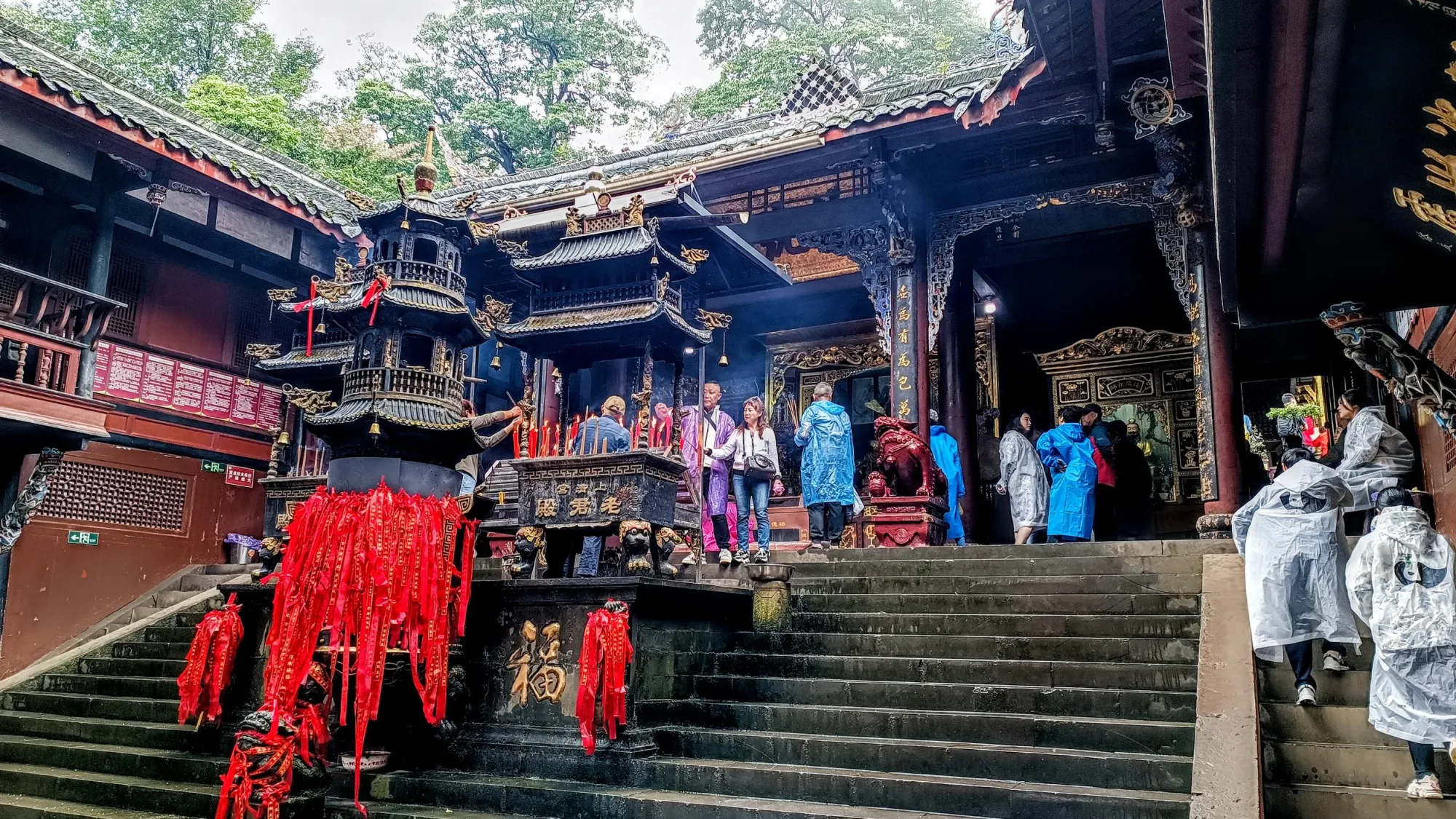
Beyond the Donghua Hall lies the summit of Mount Qingcheng, marked by the majestic pagoda of the Laojun Pavilion that crowns this 1,260-metre mountain. From here, the ever-shifting clouds and misty forest below create a spellbinding panorama.
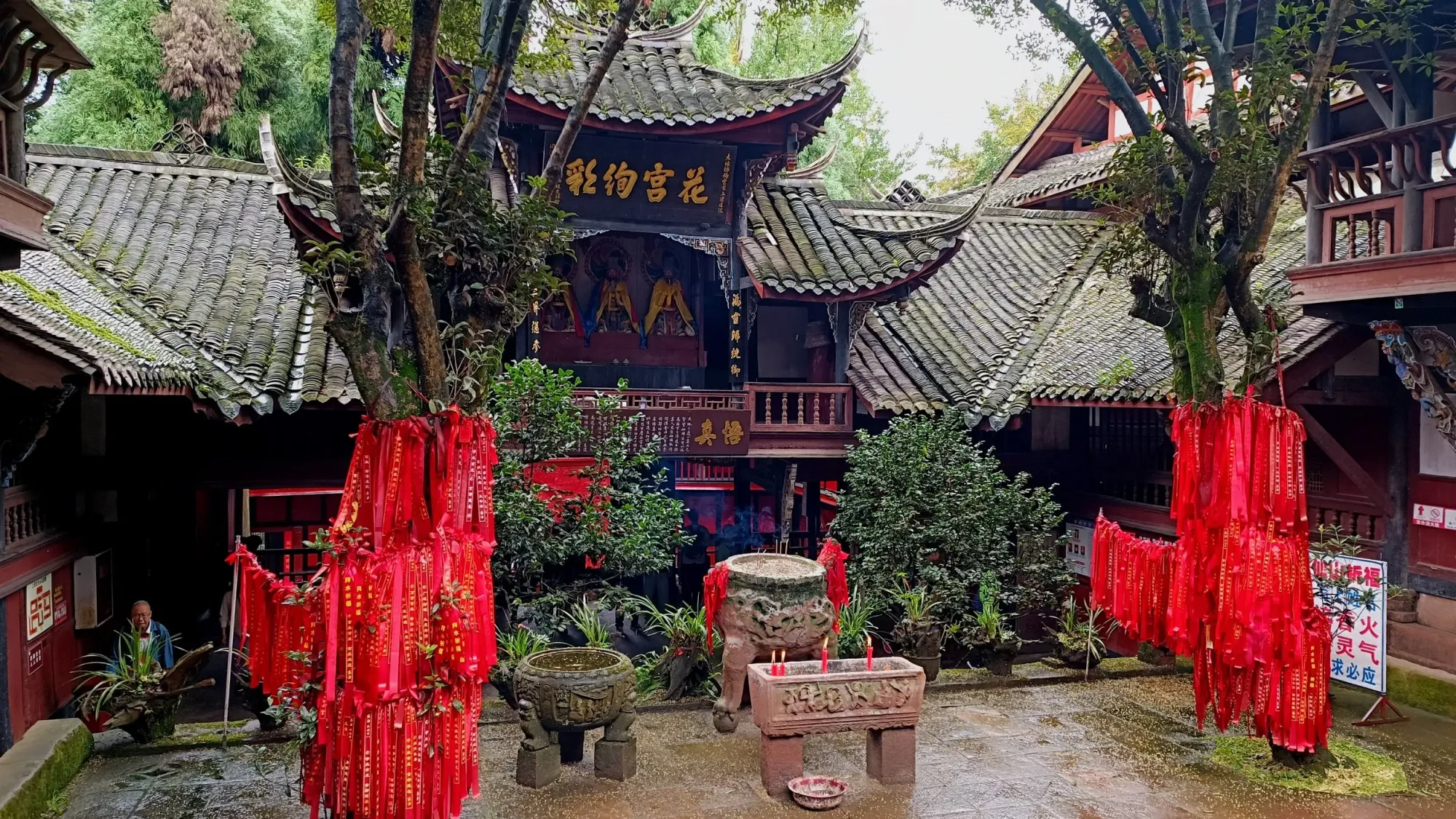
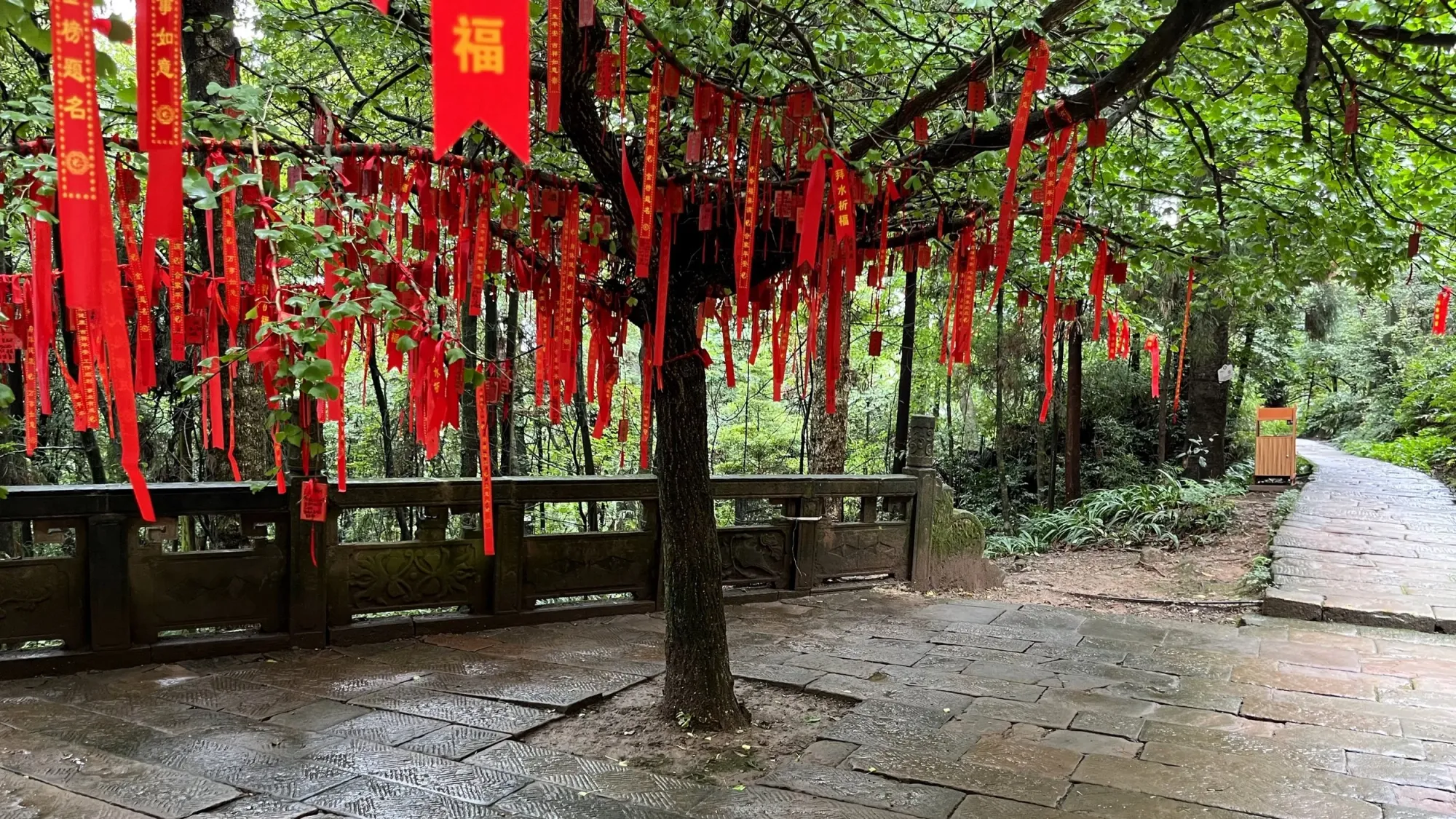
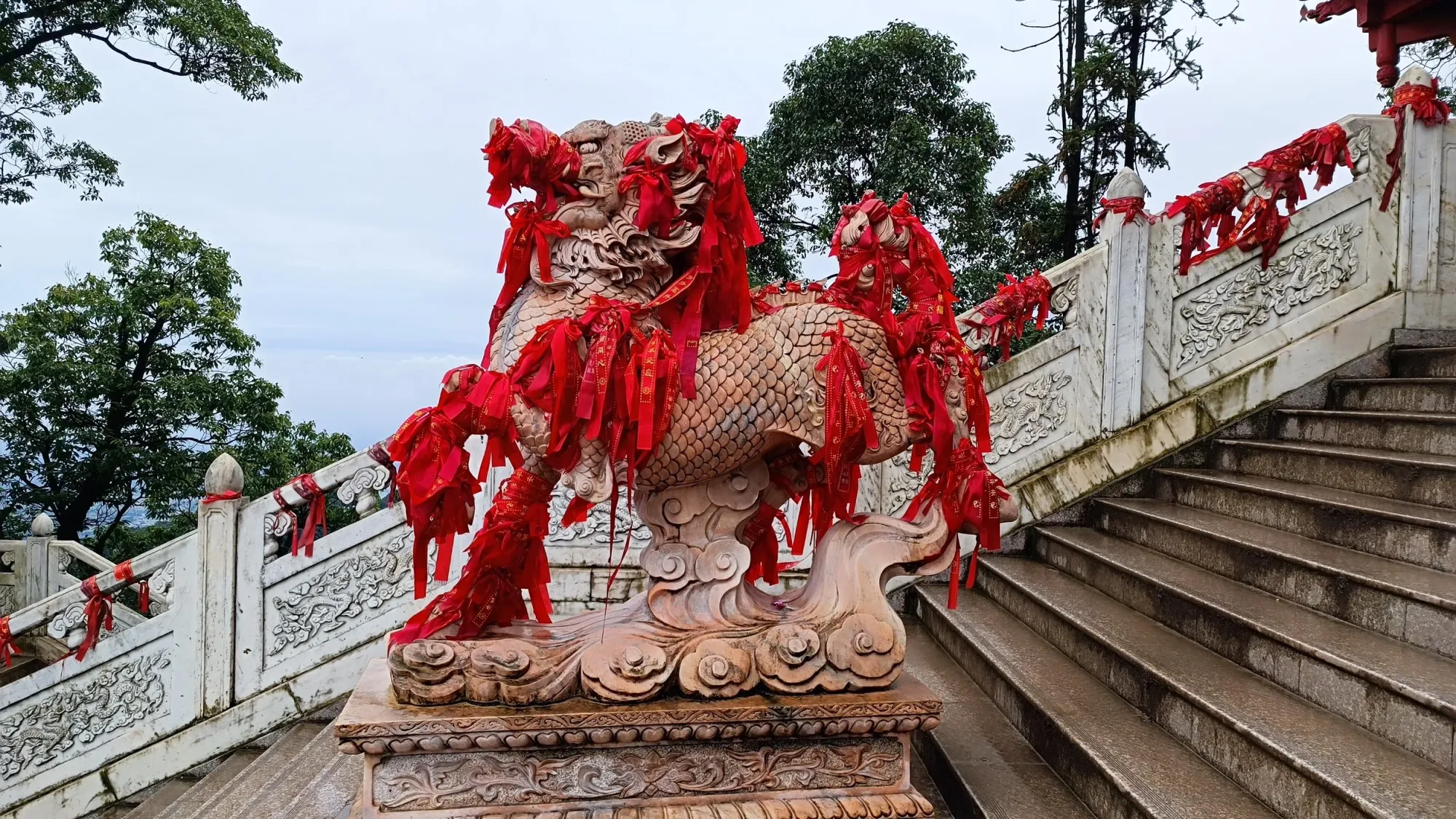
The many wishes, in the form of small red fabric offerings fluttering in the breeze, are a testament to the spiritual significance of this elevated sanctuary to the Chinese people.
 STOP 4
Descent among the temples
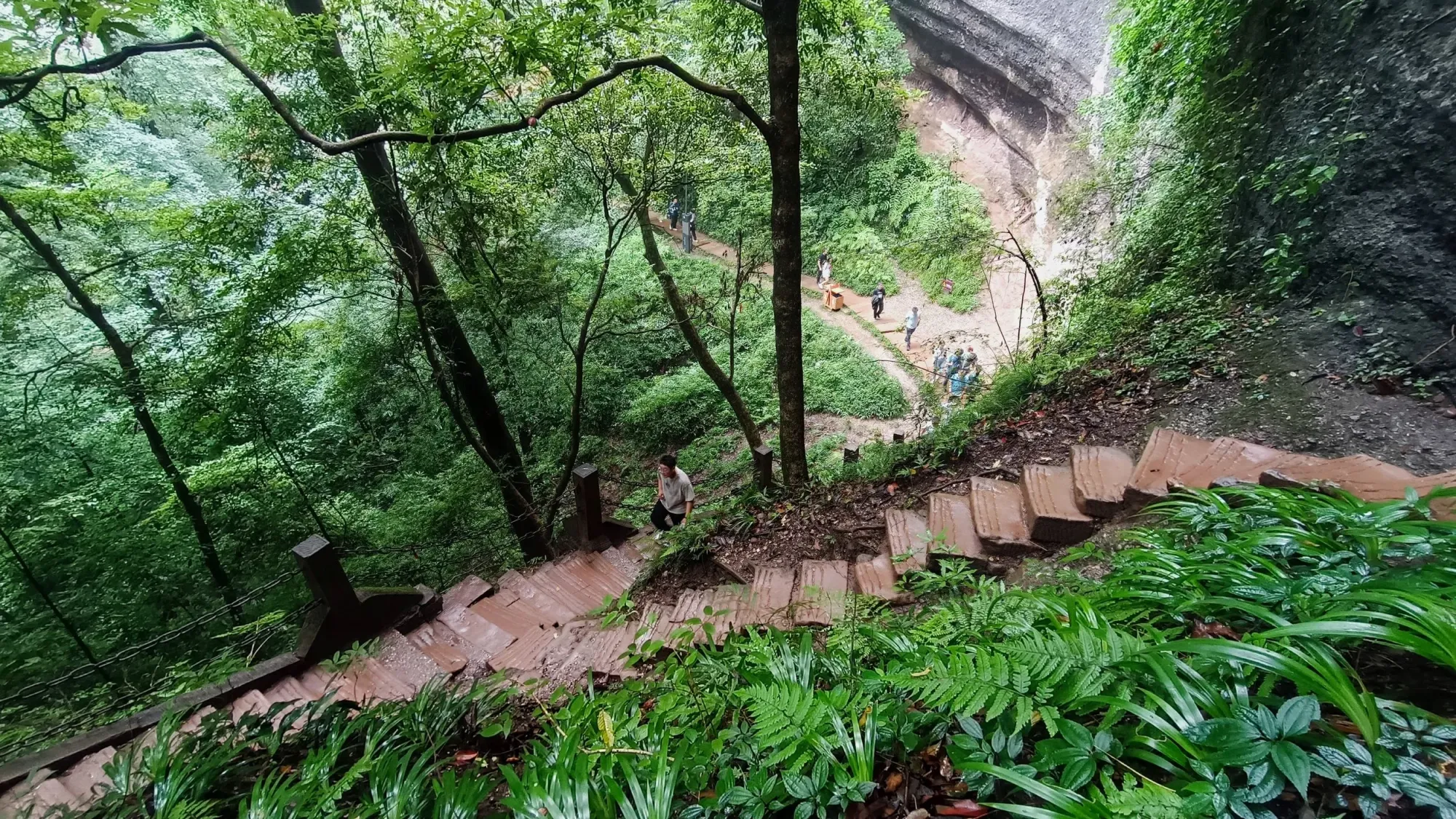
To descend Mount Qingcheng, take the less-travelled left side of the trail for a unique and enchanting experience. Most pilgrims ascend from this direction, so descending on the left side makes the trail far less demanding.
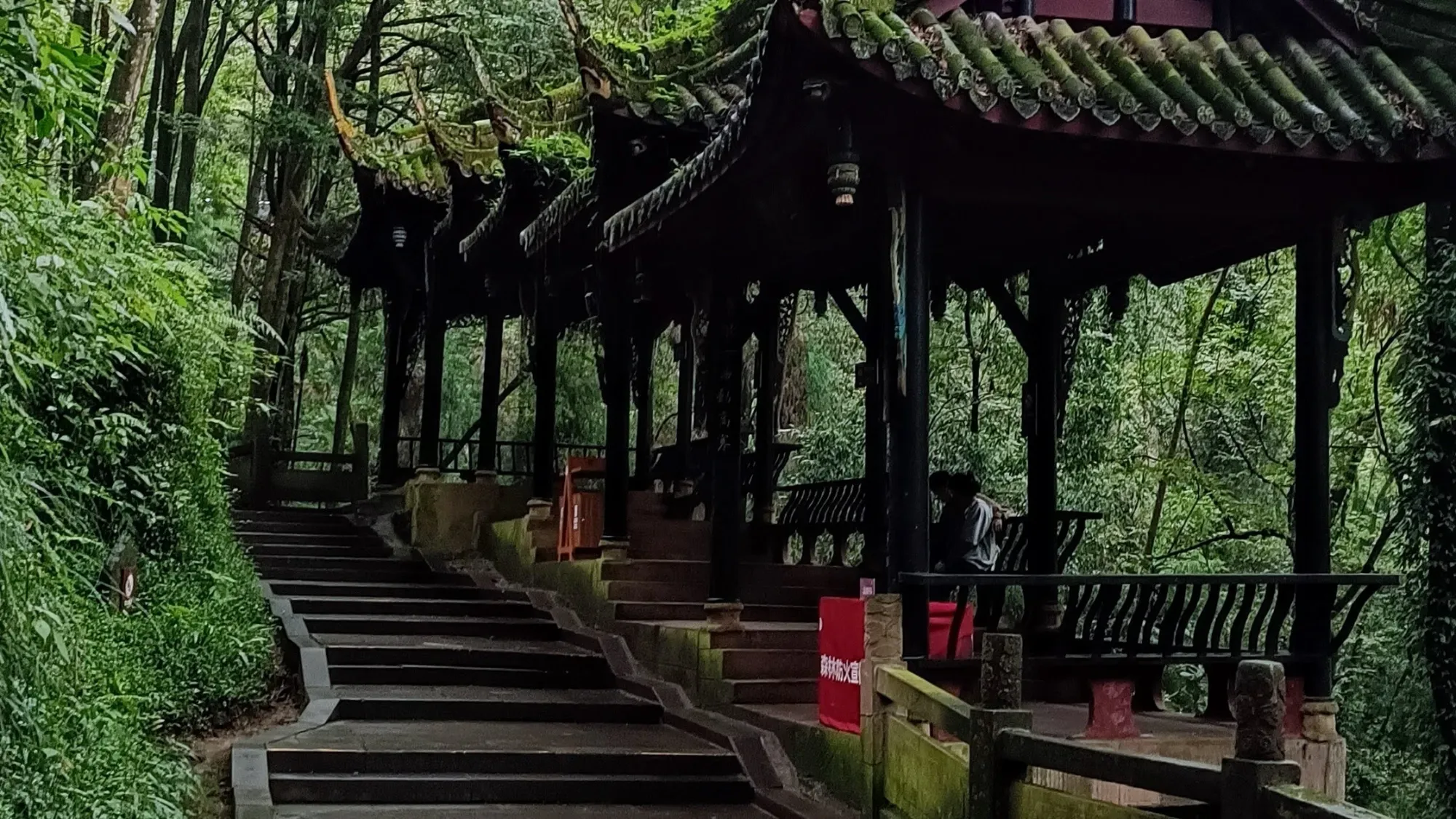
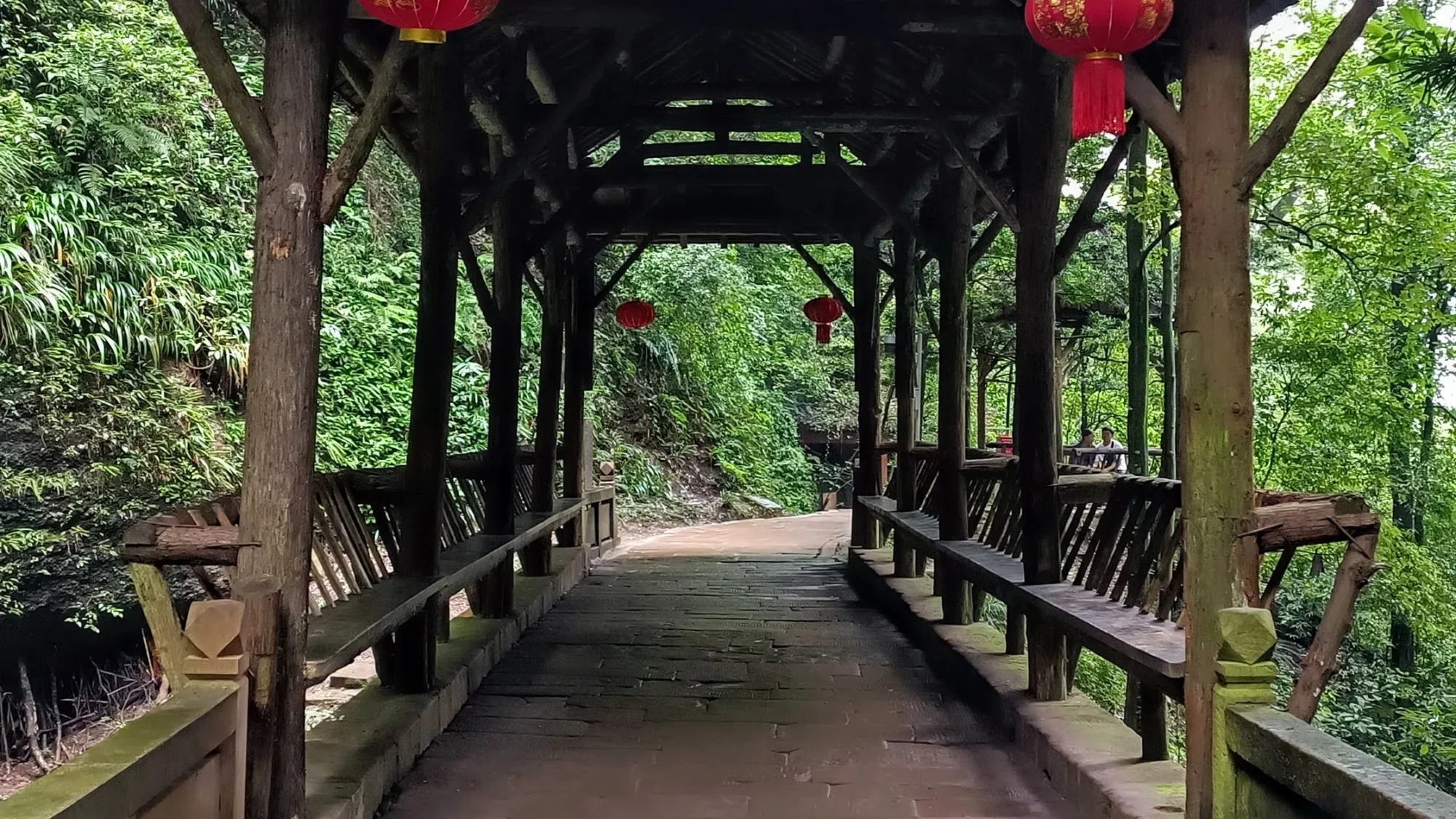
The trail winds through a landscape of ancient temples, serene caves and picturesque resting spots. Noteworthy landmarks along this path include the awe-inspiring Chaoyang Cave, the serene Zunshi Temple and the mystical Tianshi Celestial Cave.
Where to stay
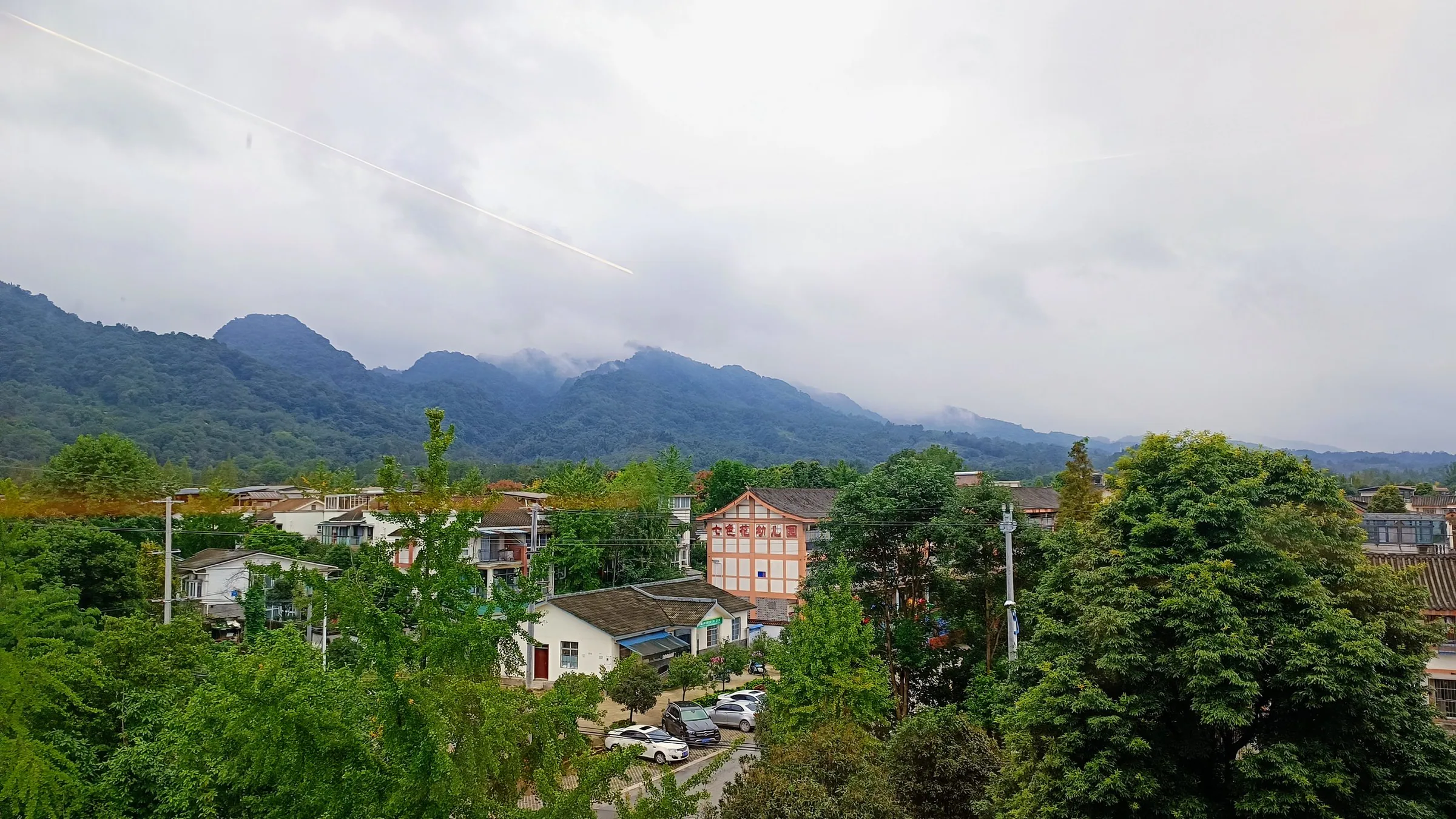
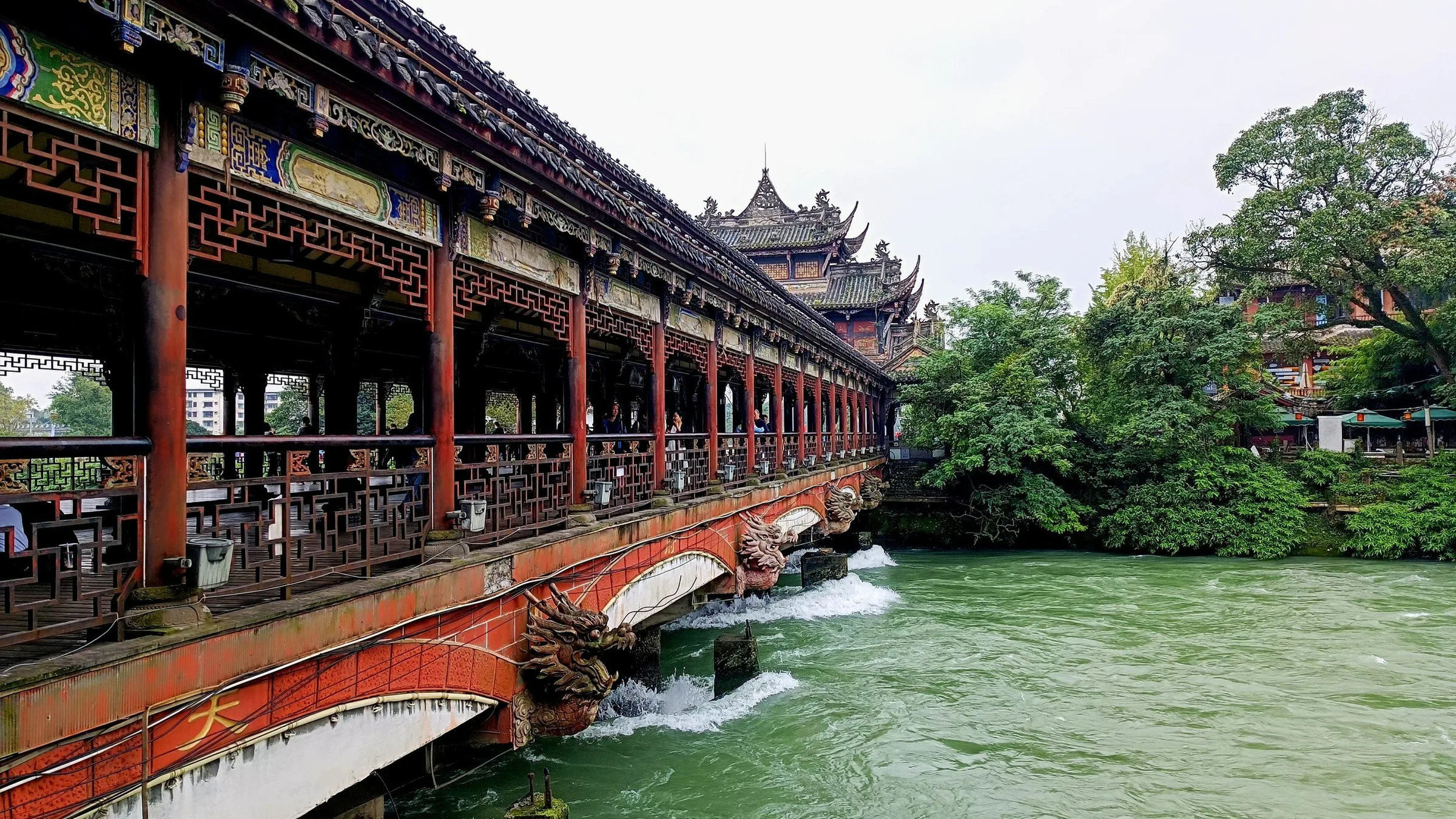
If, like us, you want to stay in a calm, idyllic location near the mountain, we recommend Qingcheng Shan village. Staying there lets you enjoy this incredible place for longer without worrying about catching the next train, and visit other nearby attractions such as the Qingcheng Shan Back Mountain or the Dujiangyan Irrigation System.
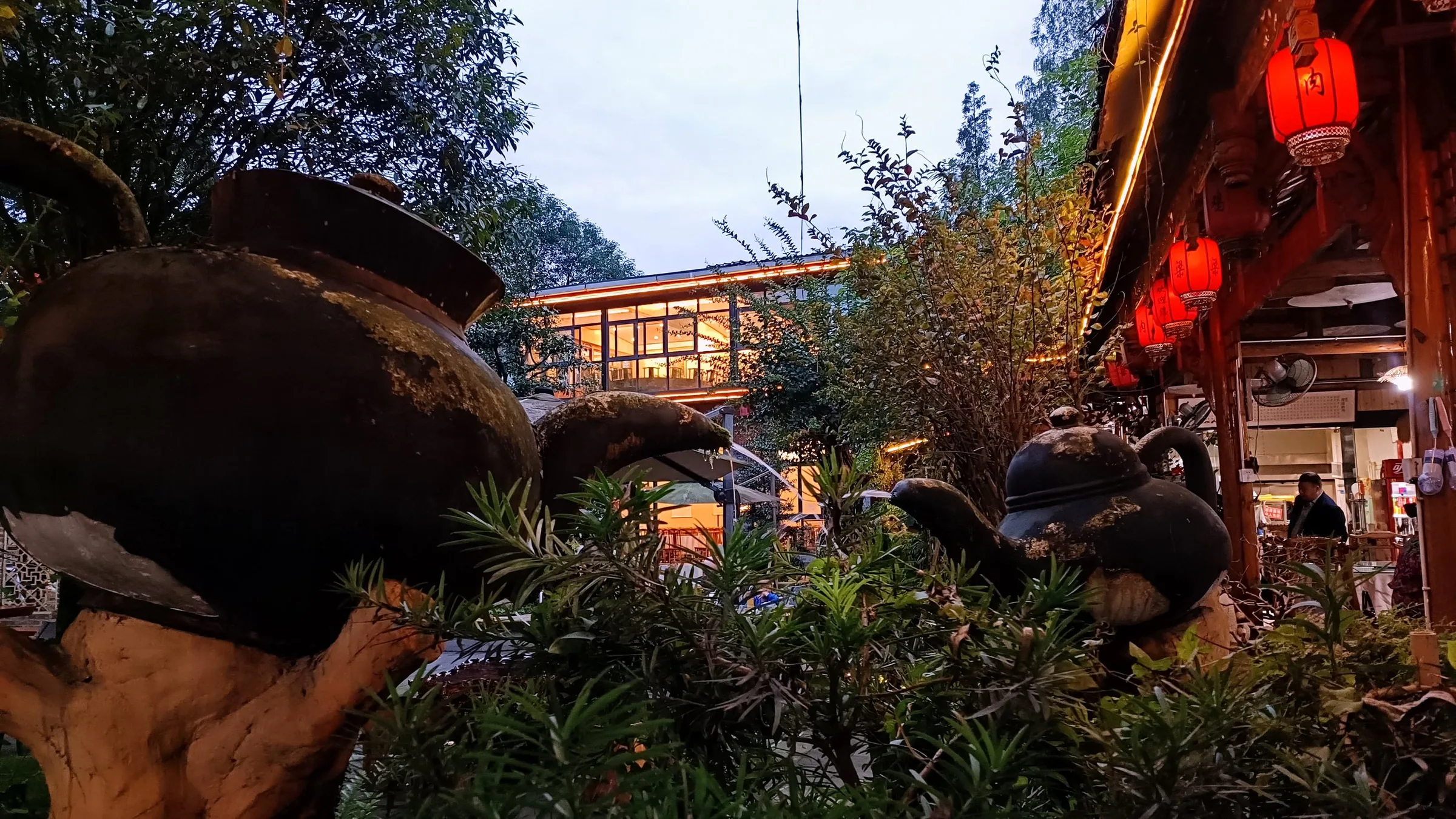
The village has many delicious traditional restaurants with super fresh, locally grown food, which guarantees a great culinary experience. There are also high-quality hotels for every budget, many of them with relaxing thermal pools to recover after a long day of hiking. Hotels in the Qingcheng Shan area can easily be booked in advance through our partner Trip.com.
Getting there
The best way to get to Qingcheng Shan is the high-speed train from Xipu Station in Chengdu. It takes about 30 minutes and costs 10 RMB. This proximity also makes Chengdu a convenient base for exploring Mt. Qingcheng if you prefer a city stay.
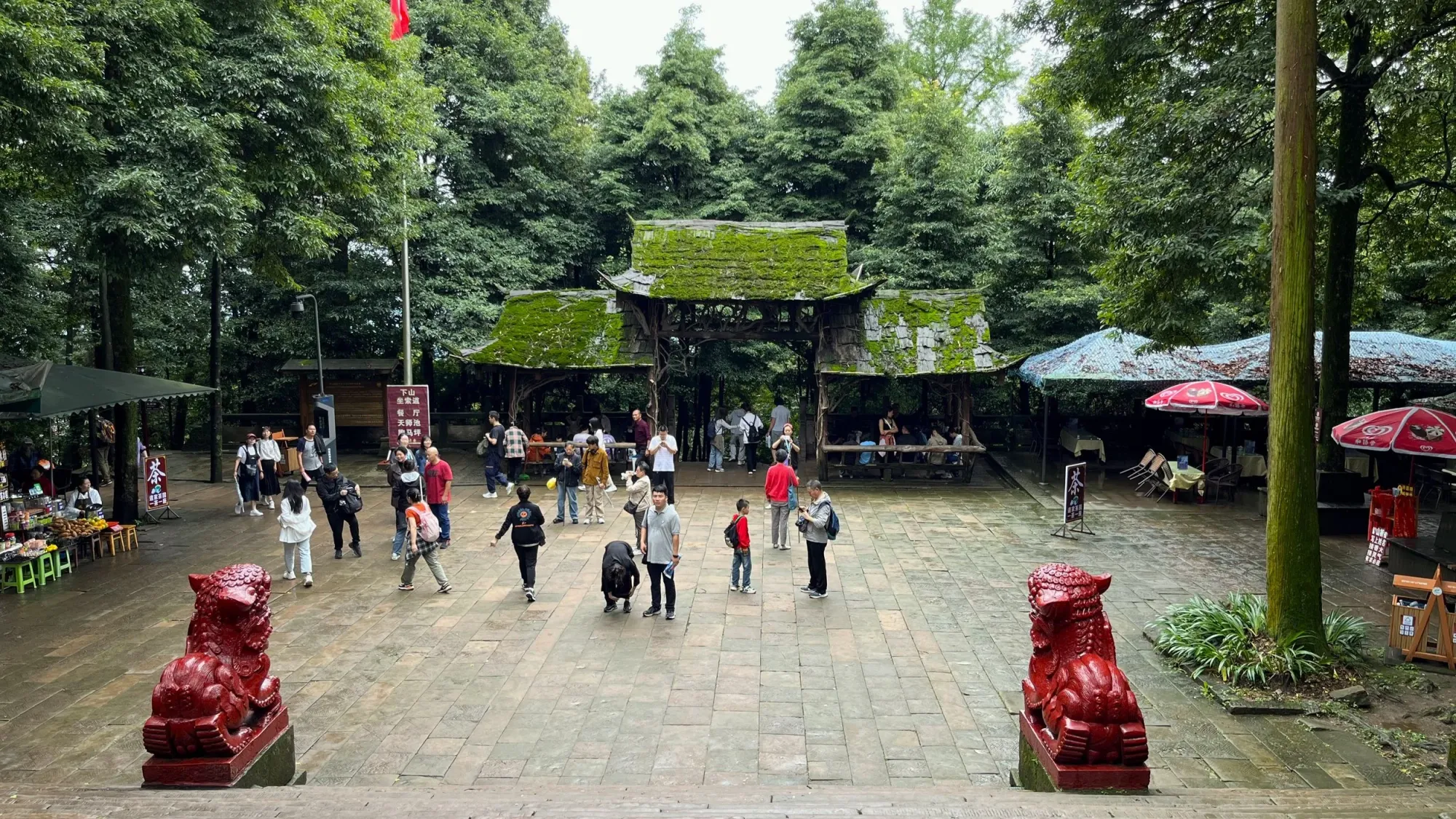
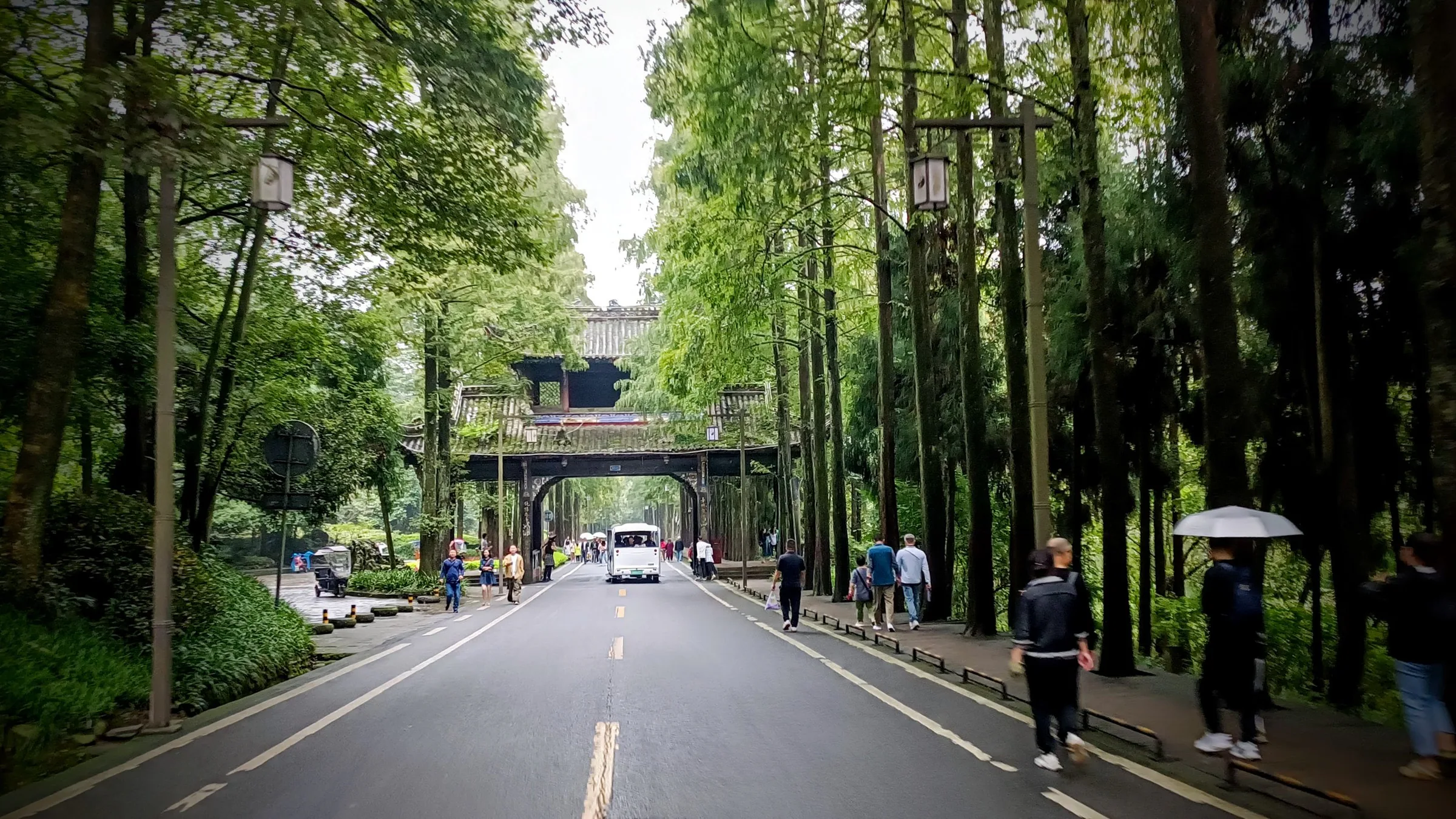
Once in Qingcheng Shan, you can conveniently book a taxi with the Didi app, found inside WeChat. The taxi will take you towards the Arch of Mt. Qingcheng, but due to road closures you'll need to stroll along a charming avenue leading to the arch or, to save some energy, take the sightseeing bus.
For a worry-free journey, you can also book one of the many organised tours.
Best time to visit
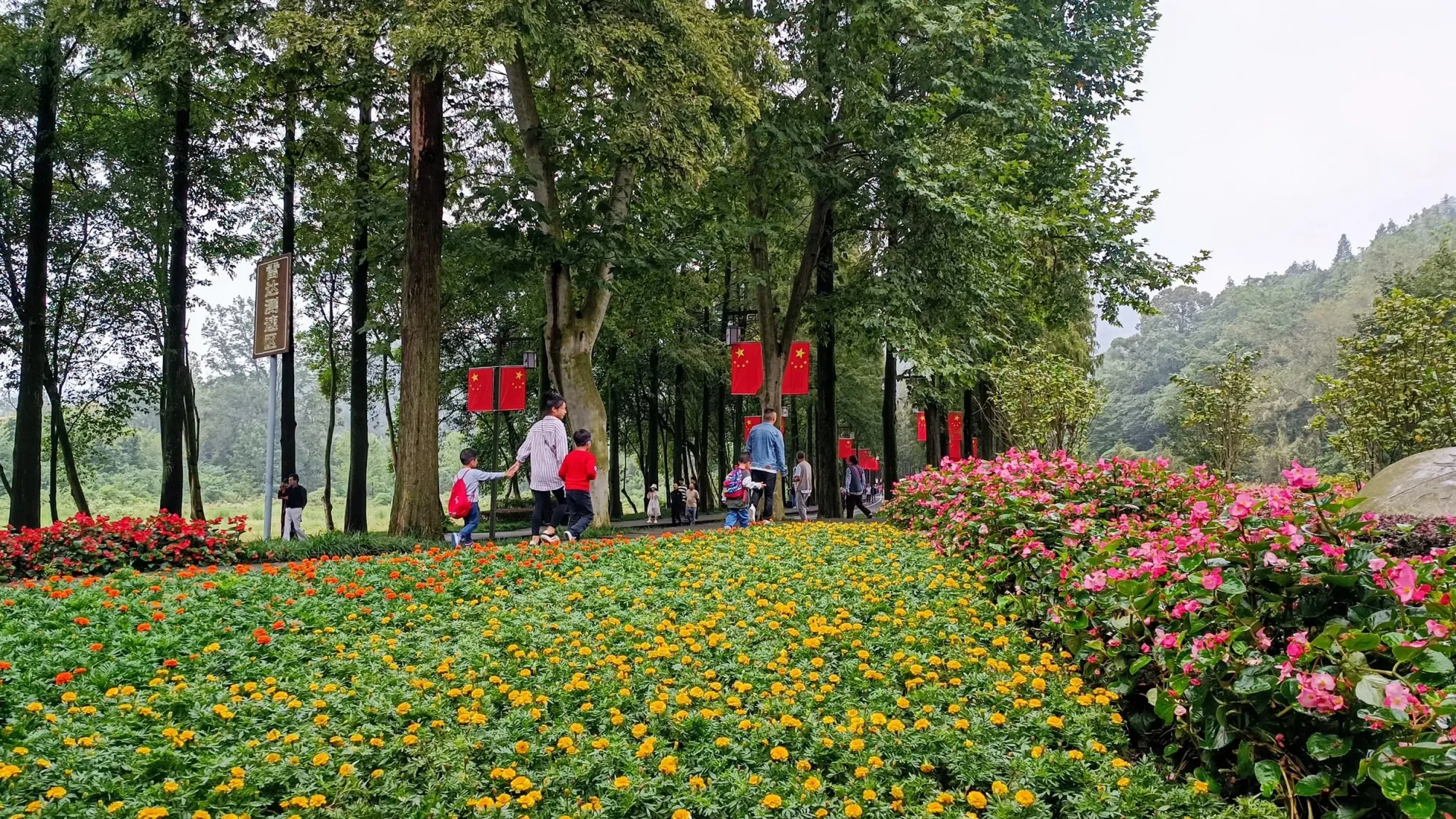
Spring (March to May): the mountain comes alive with vibrant colours as flowers bloom, creating a picturesque landscape. The weather is generally mild, comfortable for hiking and exploring the scenic trails.
Autumn (September to November): like spring, autumn offers mild temperatures suited to outdoor activities, and the foliage paints the mountain in red, orange and yellow. It tends to be less crowded than the peak summer months, for a more tranquil experience.
Summer (June to August): can be hot and humid, which may make hiking less comfortable. Still, the area has the mildest summer temperatures in Sichuan province, which makes it popular during the summer holidays, with larger crowds and longer waits at popular attractions.
Winter (December to February): colder temperatures, and some areas of the mountain may see snowfall. If you don't mind the cold, winter can be a quieter time to visit with fewer tourists.
Travel tips
Hiking the Front Mountain takes roughly one day. Keep a map with you at all times so you don't miss any of the scenic areas.
The entry ticket to the scenic area is 90 RMB. The cable car costs 35 RMB one-way or 60 RMB return, and the boat across Yuecheng Lake costs 10 RMB.
There are plenty of cheap food stalls with delicious fresh food all over the scenic area. Among the many options you will find fresh cucumbers, pork ribs, sausages, meat-filled pancakes and various fruits.
To book hotels and even trains in China from abroad, Trip.com is your best bet. It has a wide range of options and is much more affordable than a traditional travel agency.
When travelling to a country as different as China, we recommend getting travel insurance such as Insubuy or VisitorsCoverage.
Mobile data on a trip is crucial but can be a real headache. Airalo is an incredibly convenient eSIM that you can top up if you need more data (a recommended and proven option in China, able to bypass the Chinese firewall), and DrimSim offers universal physical SIM cards.