- How long
- Half a day to a full day
- From Chengdu
- ~20 min by train from Xipu
- Scenic area
- 220 ha, 20+ attractions
- Best time
- Spring or autumn
Located about 60 km from Chengdu, Dujiangyan is home to one of the oldest and most unique irrigation systems in China. Often mistakenly called the Dujiangyan Dam, it is in fact the only surviving non-dam irrigation system from the ancient world.
Dating back over 2,200 years, the Dujiangyan Irrigation System was designed to prevent flooding and ensure a steady water supply to the fertile Chengdu Plain. Today it is the centrepiece of the Dujiangyan Scenic Area, a sprawling 220-hectare site with over 20 attractions to explore.
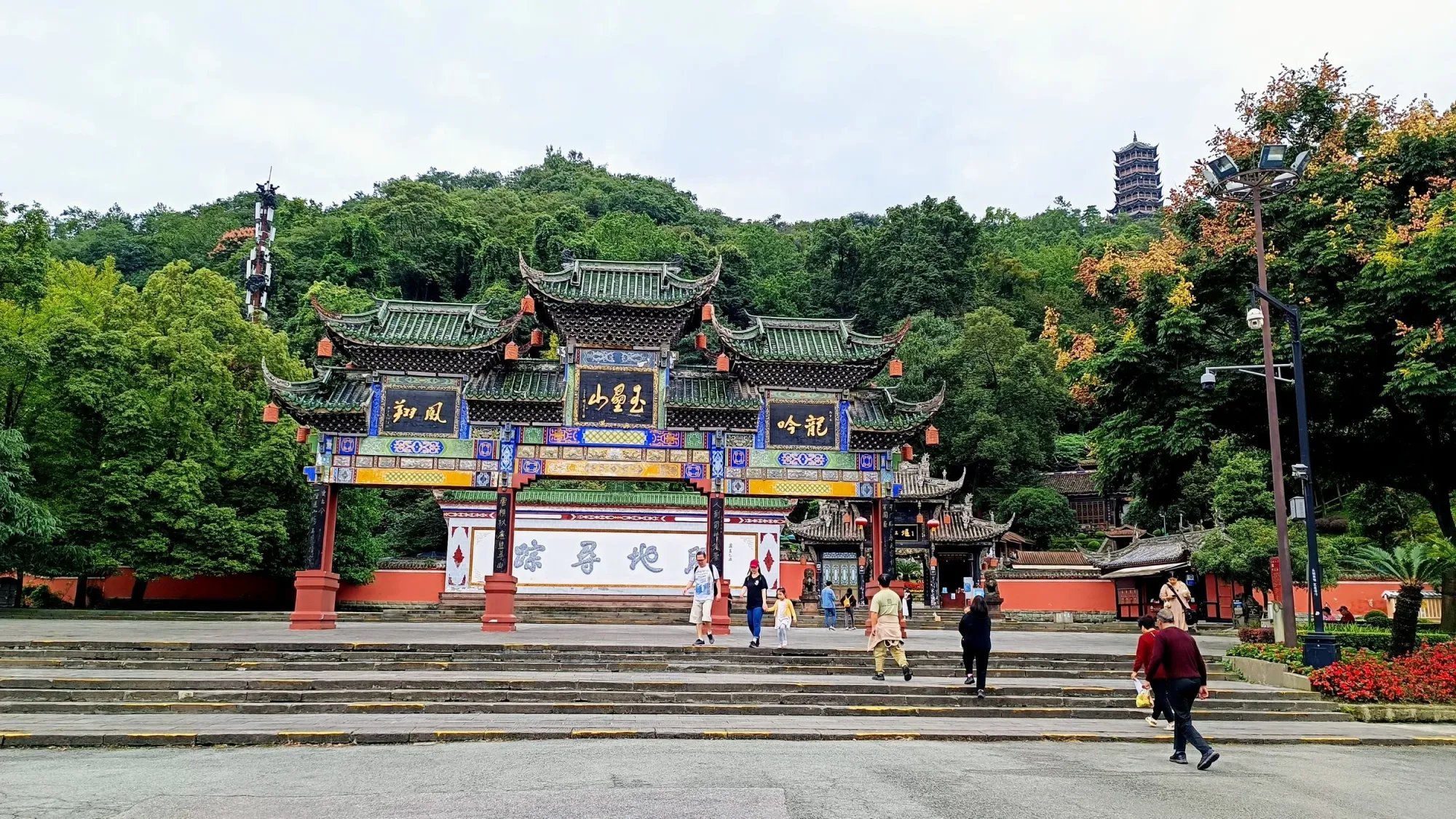
Besides this marvel of ancient Chinese engineering, you'll find historical landmarks such as Erwang Temple, Yuwang Temple, the Anlan Suspension Bridge and the Ancient Songmao Path. The Min River and Yulei Mountain make a serene backdrop, and the Yulei Pavilion on top of the mountain offers panoramic views of Dujiangyan city and the irrigation system below.
The project was the brainchild of Li Bing, a local official of Sichuan, and was built by tens of thousands of workers. It relied on innovative methods, including long bamboo baskets filled with stones (Zhulong) and wooden tripods (Macha), to manage water flow, reduce flooding and drain sediment, all while using the natural topography and hydrology of the region.
Recognised as a UNESCO World Heritage Site, the Dujiangyan Irrigation System is a remarkable example of ancient ingenuity and still supports the agricultural prosperity of the Chengdu Plain today.
“If you are interested in Chinese engineering and ancient culture, the Dujiangyan Irrigation System is definitely worth visiting.”
What to see
 STOP 1
Nanqiao (South Bridge)
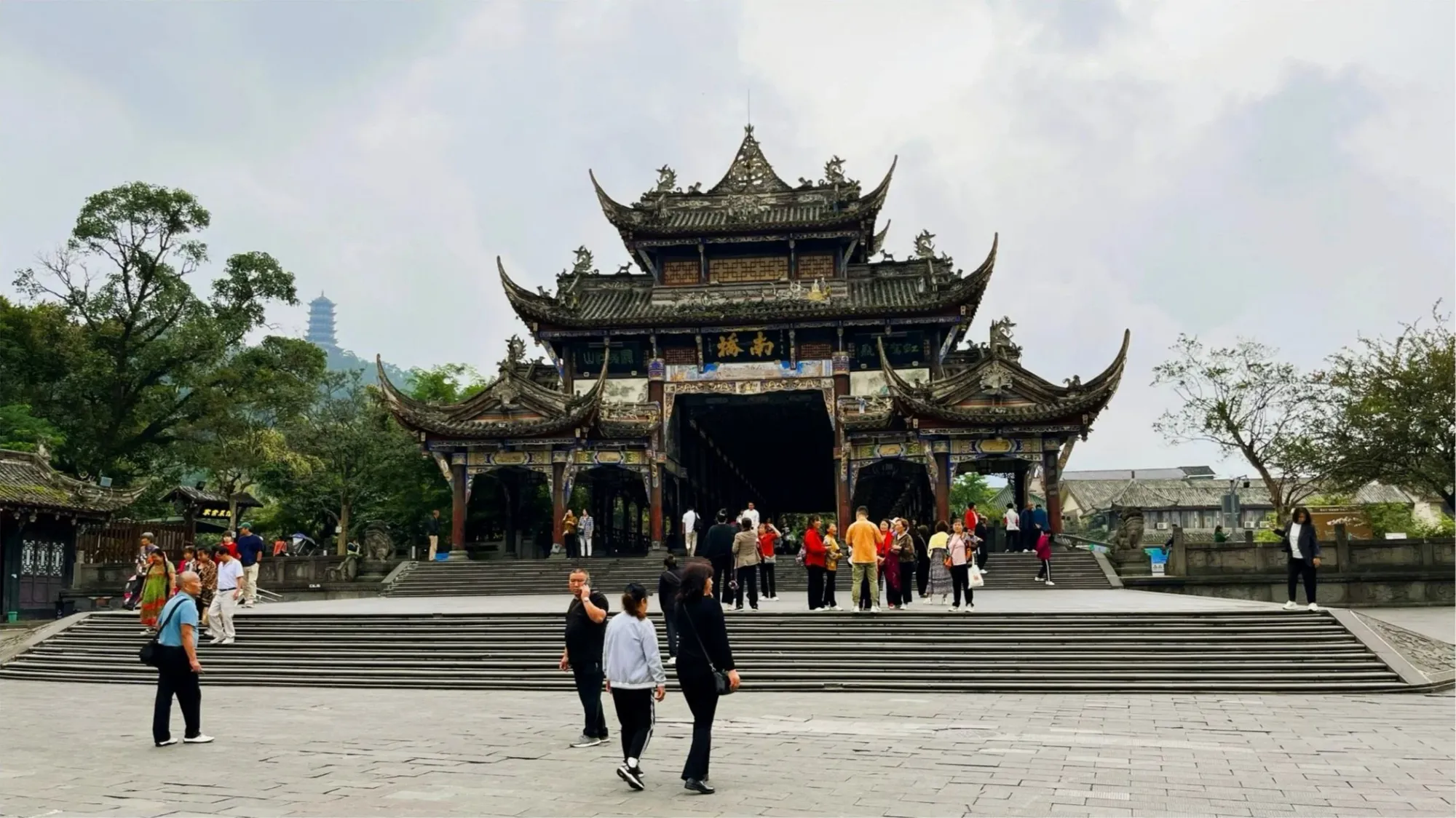
Before entering the irrigation system complex, consider visiting the Dujiangyan South Bridge, or Nanqiao. To the left of the entrance, this impressive bridge spans the Neijiang River, linking South Street to Fuxing Street.
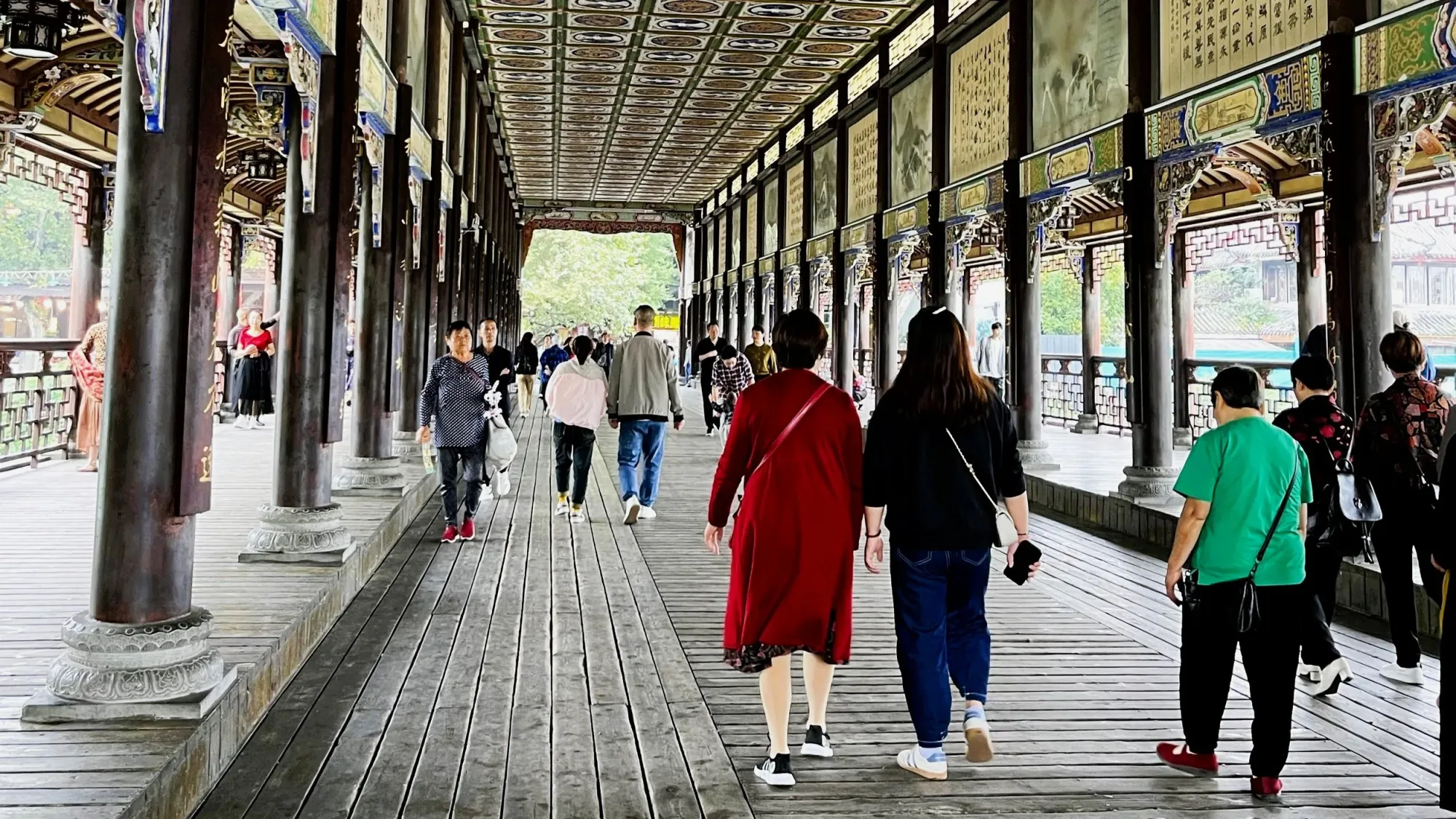
Nanqiao is an ancient corridor-style bridge. Historically, covered bridges like this were gathering places where locals met, traded, enjoyed entertainment and even worshipped the gods.
Today its galleries work as an open-air museum of intricate wood carvings, traditional paintings and calligraphy. Under the night illuminations, the South Bridge turns into a mesmerising spectacle.
 STOP 2
Qinxi Garden and Fulong Temple
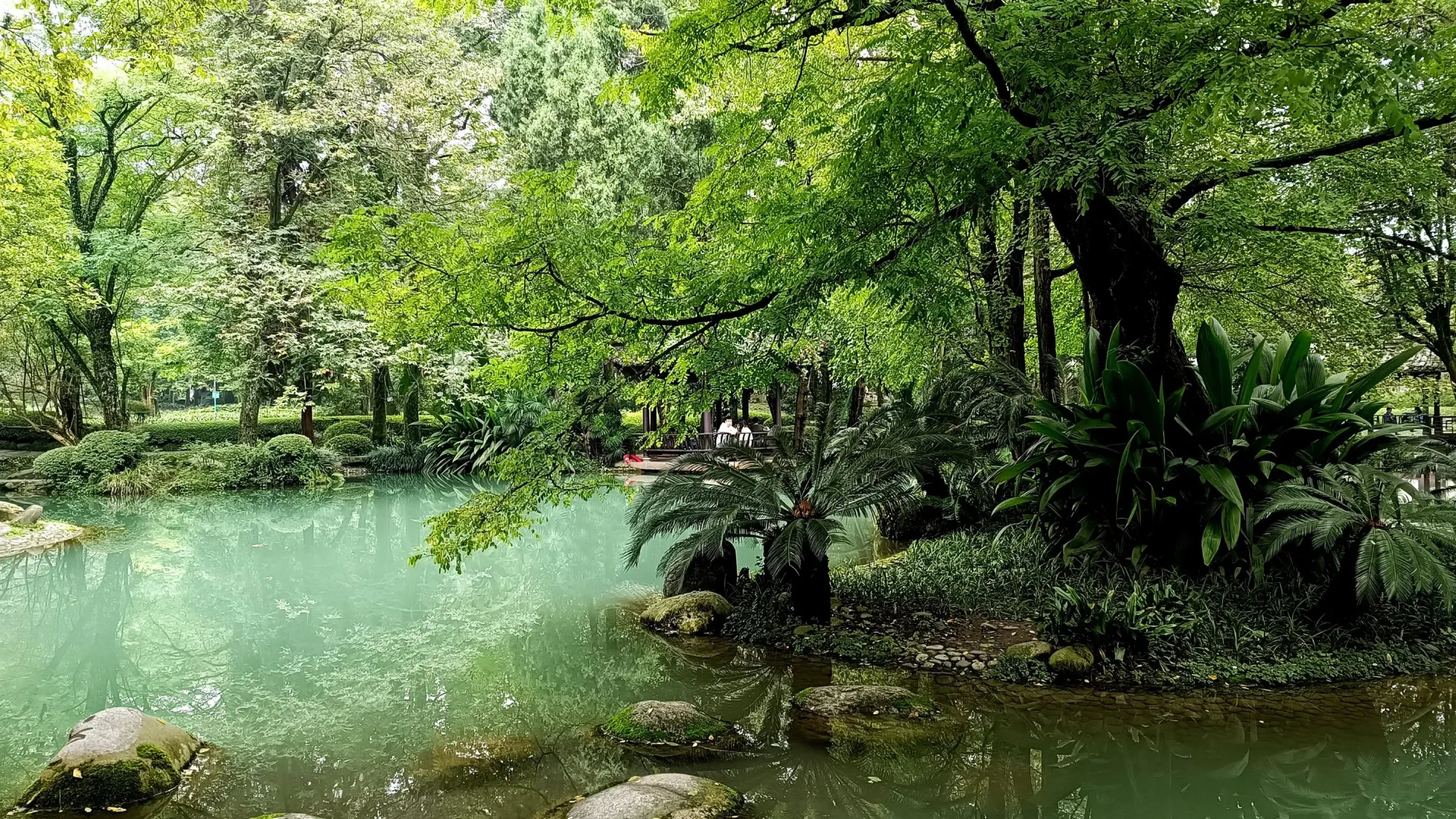
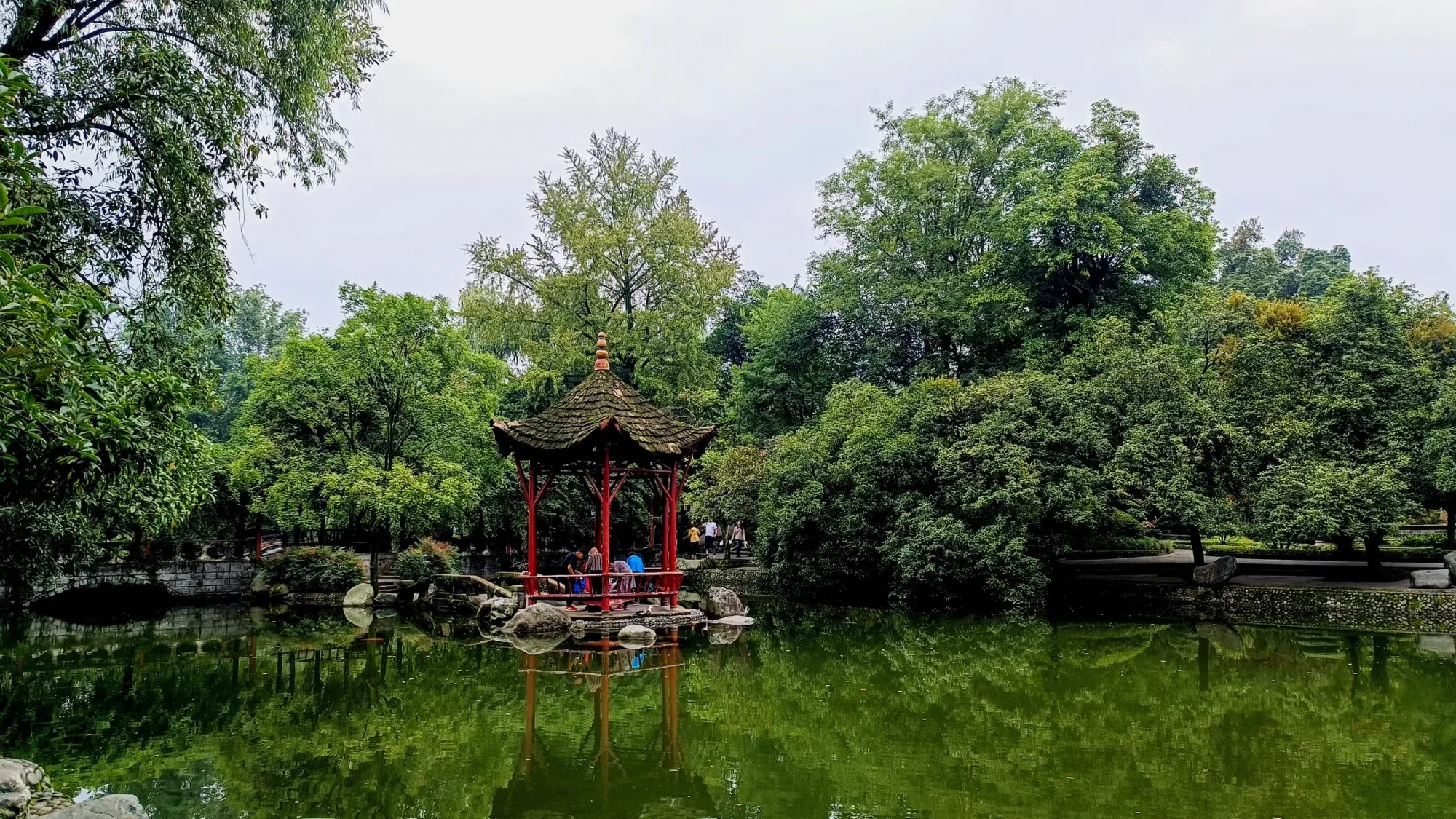
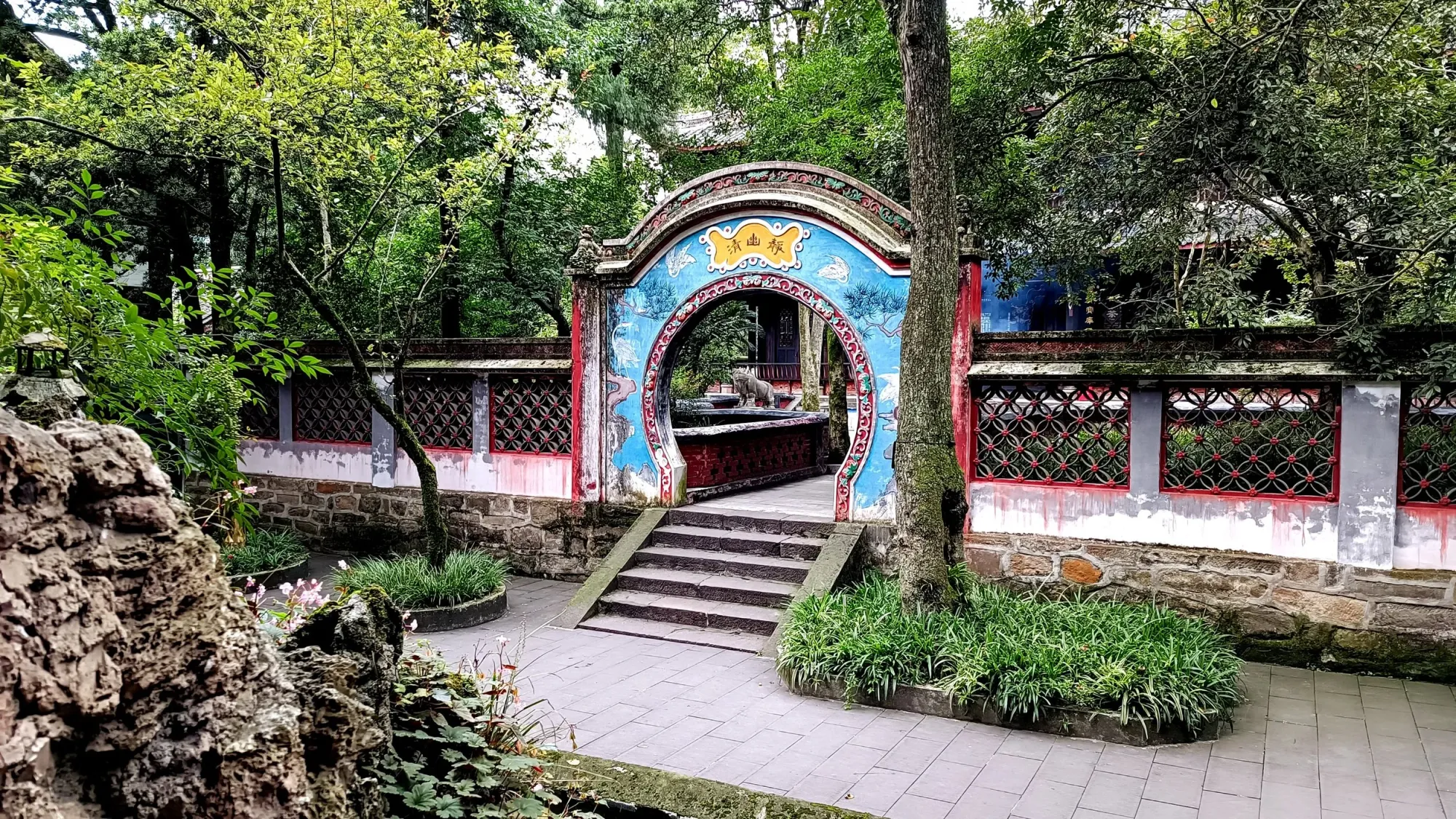
Entering the irrigation system, visitors are welcomed by the lush Qinxi Garden, with vibrant flowers and water features around the Immortal Tortoise Pond at its centre.
Within the garden lies Fulong Temple (Dragon-Taming Temple), first built in the Jin Dynasty in memory of Fan Changsheng, leader of Tianshi Taoism. Legend says this is where Li Bing defeated the evil dragon during the construction of the irrigation project.
It now houses a stone statue of Li Bing in the front hall, excavated from the river in 1974. The Fulong Temple Lookout Pavilion offers one of the best panoramic views of the irrigation system.
 STOP 3
Anlan Suspension Bridge
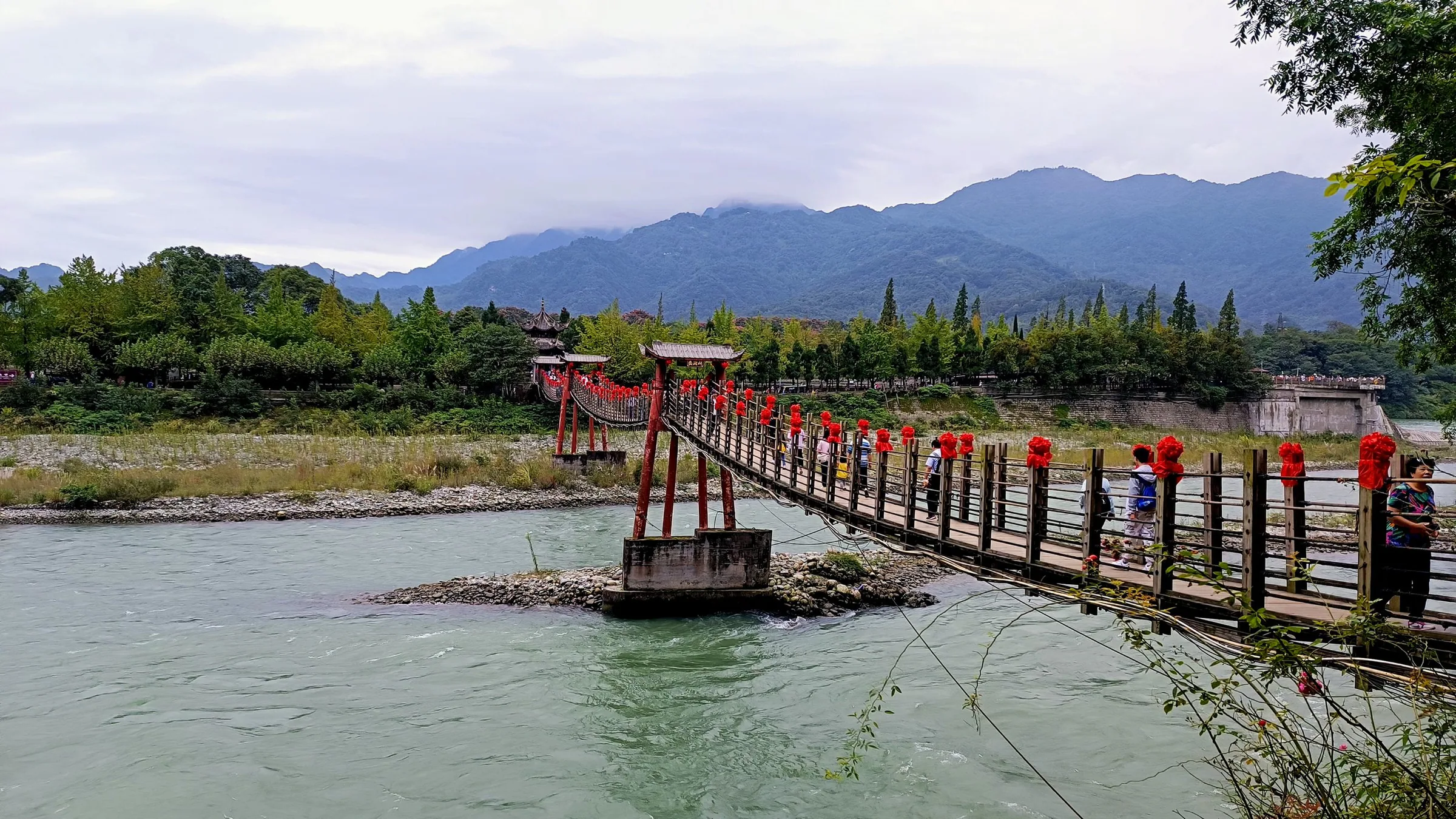
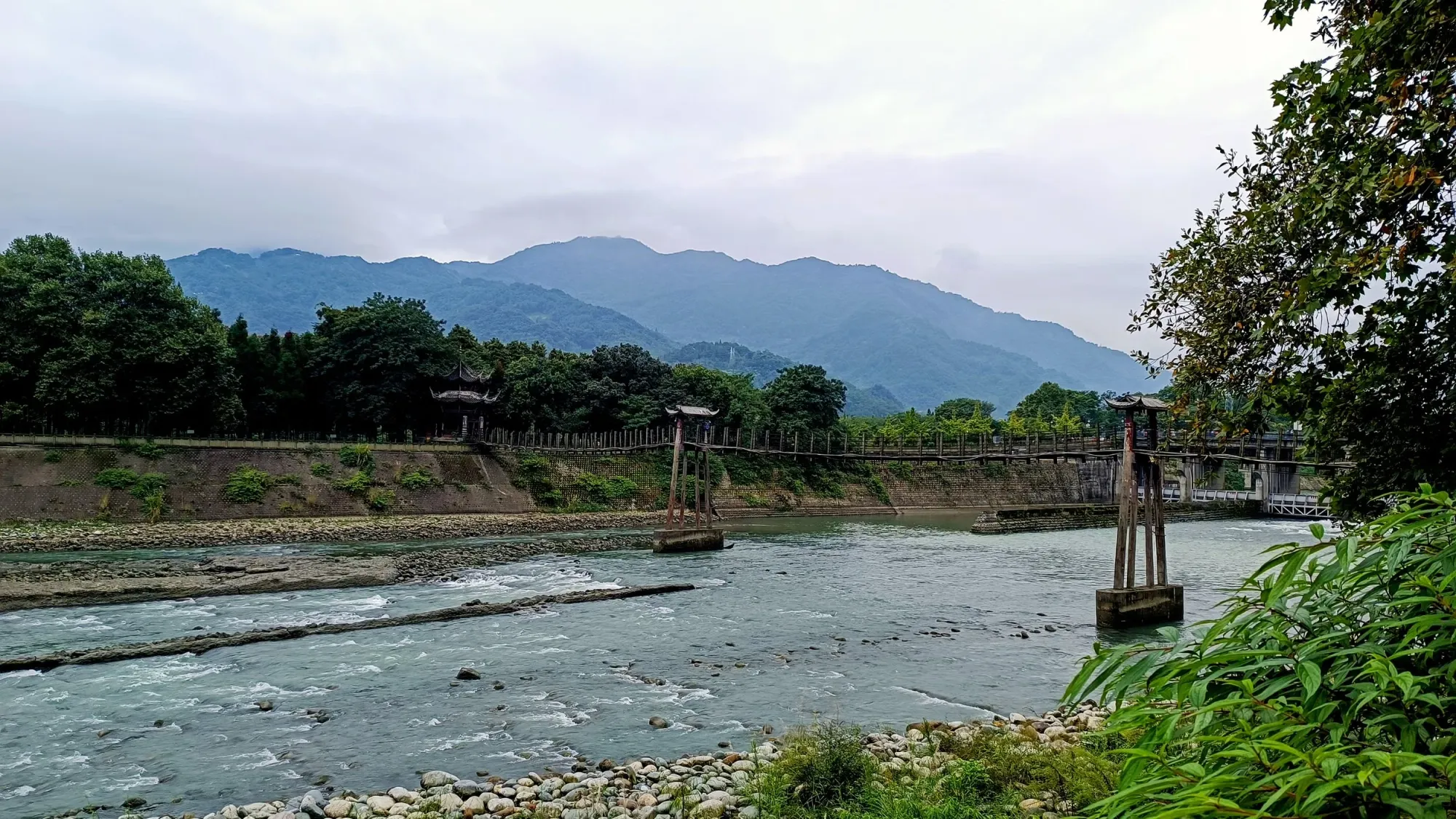
Crossing both the Outer River and the Inner River, the Anlan Suspension Bridge is known as one of the Top Five Bridges of ancient China. The classic image of Dujiangyan's landscape, this 261-metre bridge was originally built of rope and wood before the Song Dynasty (960–1279).
Rebuilt many times over the centuries, most recently in 1974, it stands today as a testament to the region's enduring heritage.
 STOP 4
Qinyan Tower
Follow the path up the mountain to the seven-storey Qinyan Tower. There is not much inside besides a couple of small shops selling food and drinks, but this is the best spot for a marvellous view of the whole irrigation system and its main features:
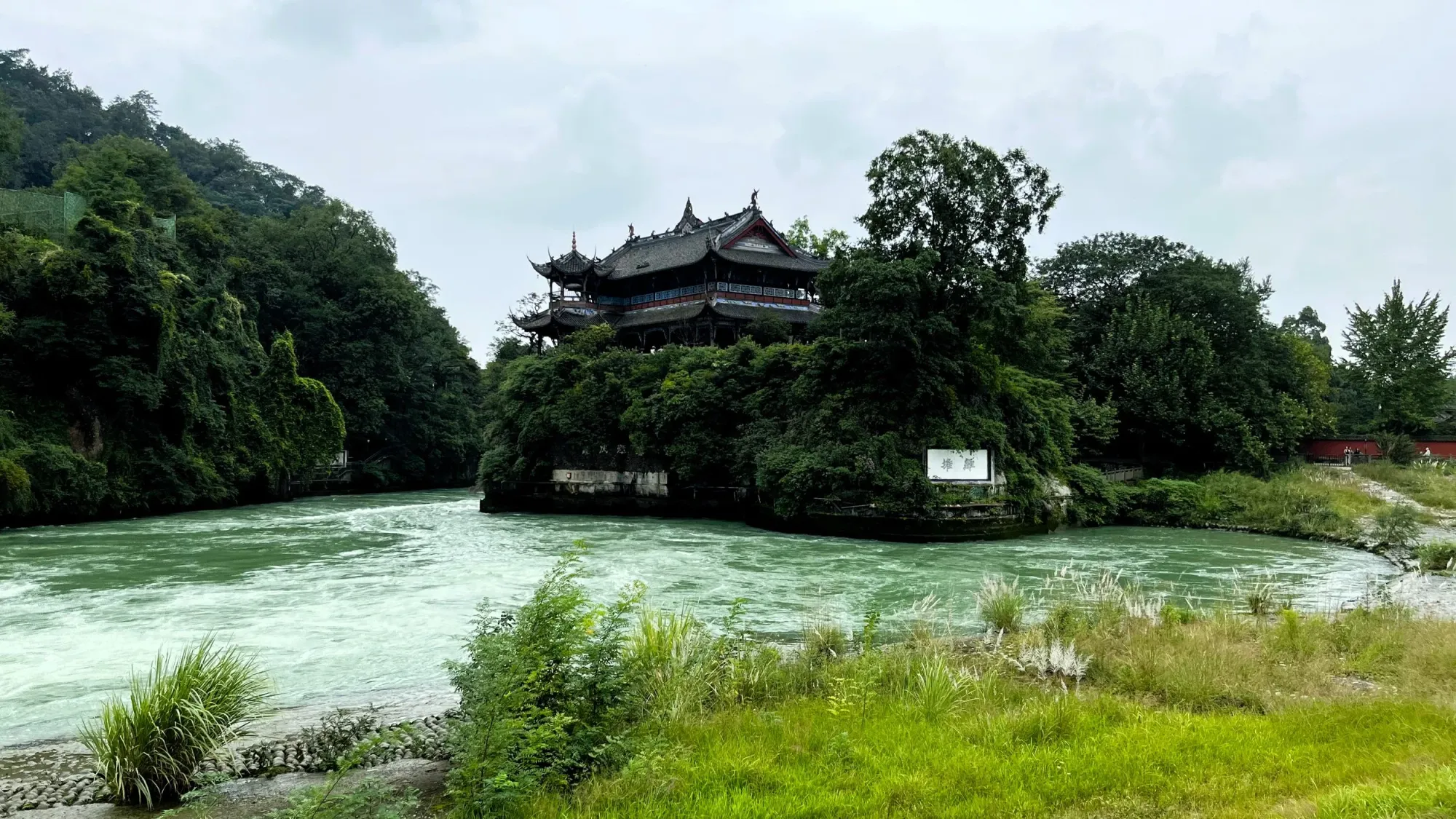
Yuzui: a water-dividing dike that splits the Min River in two. The western part (Outer River) drains off floodwaters, while the Inner River is used for irrigation.
Feishayan: the flood-discharge mechanism that protects the Chengdu Plain from flooding, regulating the water level by overflowing when the Baopingkou upper limit is exceeded.
Baopingkou: a diversion channel that works as a control valve, automatically regulating the flow of the Inner River. Its natural scenery is stunning, and it was already a famous attraction in ancient times.
 STOP 5
Erwang Temple
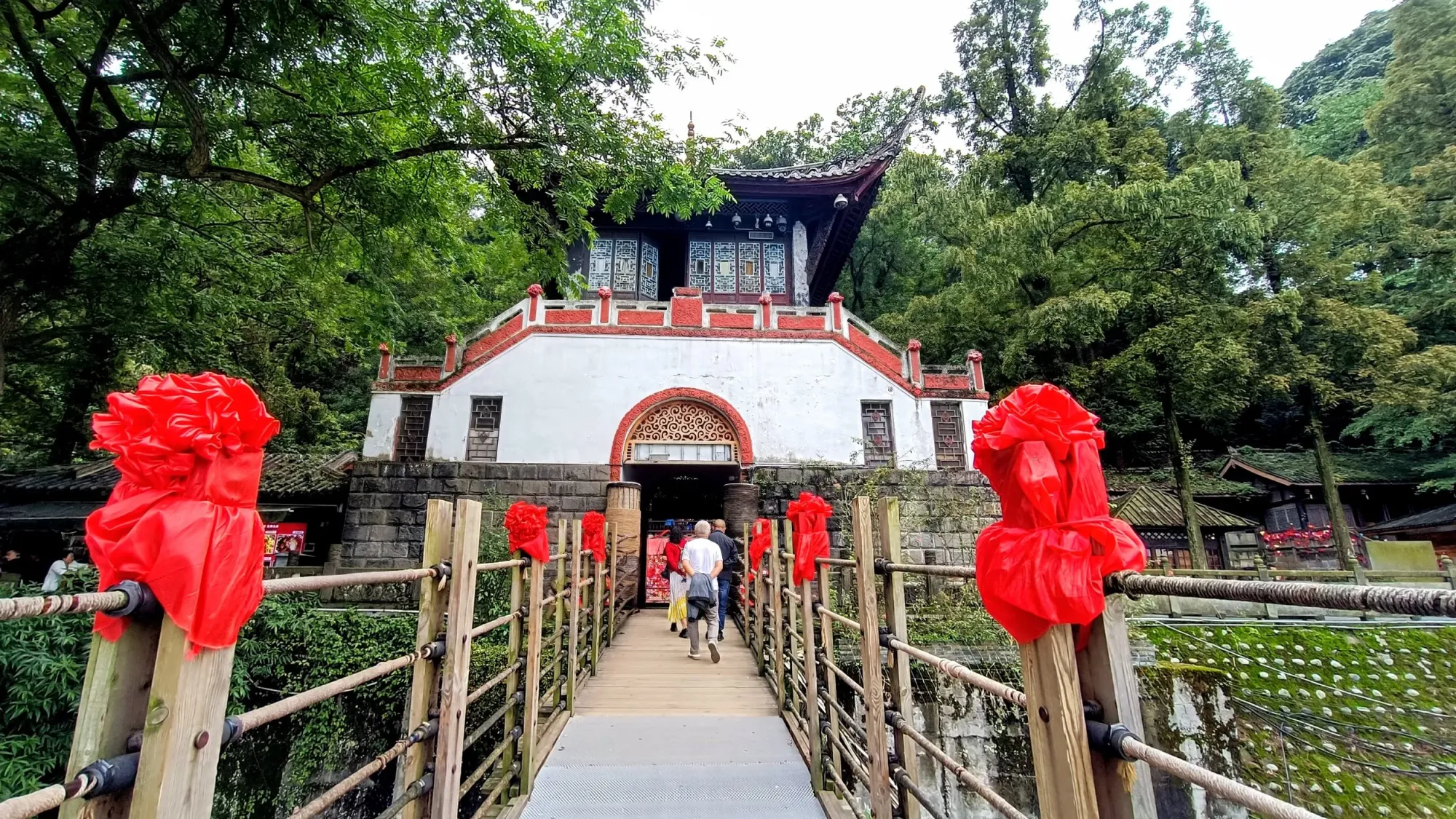
On the right bank of the Min River, across the Anlan Suspension Bridge, lie the Eastern Gardens and the magnificent Erwang Temple (Two Kings Temple). It preserves the architectural essence of the Qing Dynasty (1644–1912), with tales of water management engraved in Chinese characters on its stone walls.
Initially built as a tribute to the Shu King, the temple was later dedicated to Li Bing and his son during the Jianwu Period (494–498). Li Bing and his son were successively granted the title of king by Song emperors, hence the name Two Kings Temple.
The rear hall, the Li Bing Memorial Hall, enshrines a modern statue of Li Bing and his son and has a courtyard facing an opera stage. On Li Bing's traditional birthday, the 24th day of the 7th lunar month, local operas were performed for the public, and on Tomb Sweeping Day a Water Throwing Festival is held here.
 STOP 6
Ancient Songmao Road
Exit Erwang Temple to the left to find the Ancient Songmao Road, past the West Pass. A well-preserved section of the ancient city wall and the Rhinoceros Fighting Platform are here, yet another great viewpoint over the irrigation system.
The road is a historical artery connecting the Chengdu Plain with the northwest plateau of Sichuan. Follow it to reach Guanxian Ancient Town.
 STOP 7
Town God Temple
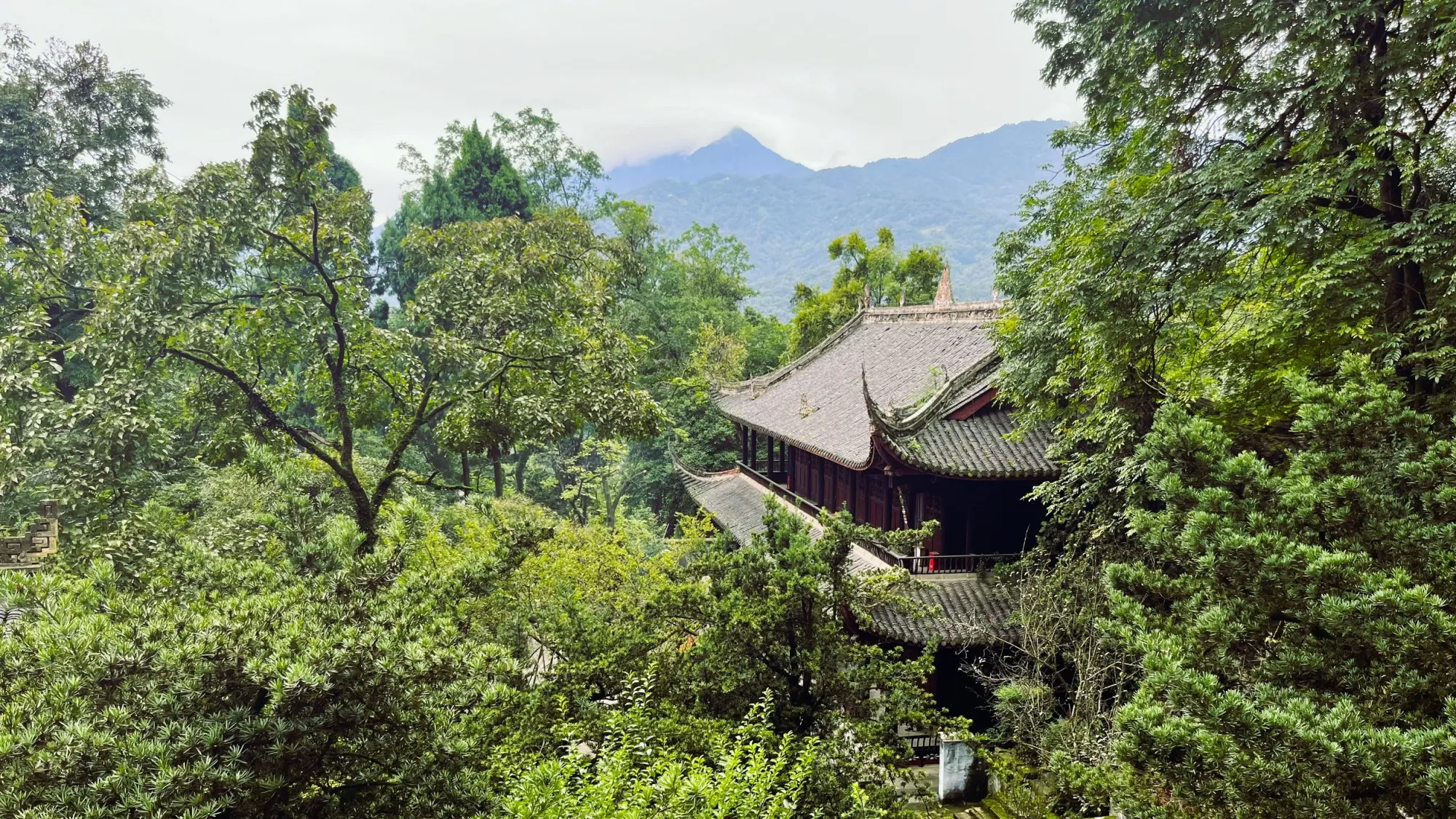
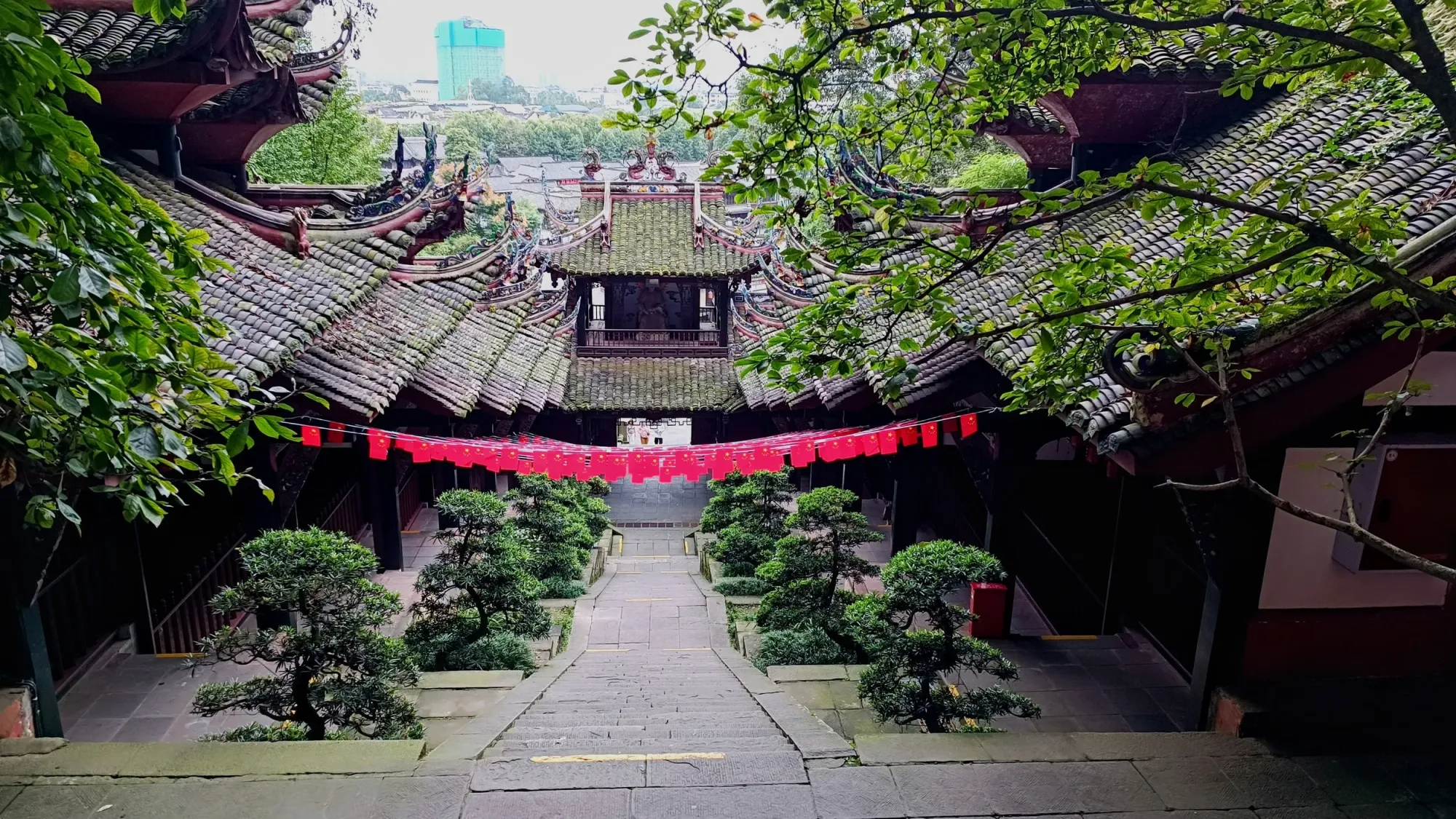
On the way to the ancient town centre, you will find the Town God Temple. Dating back to the Ming Dynasty, it covers an impressive 3,000 square metres and has two distinct areas.
The upper section is dominated by the Chenghuang Hall, which pays homage to the local deity. The lower area holds the Ten Temples, each dedicated to one of the ten kings, standing symmetrically along a picturesque staircase that connects Guanxian ancient town to Yulei Mountain.
Where to eat
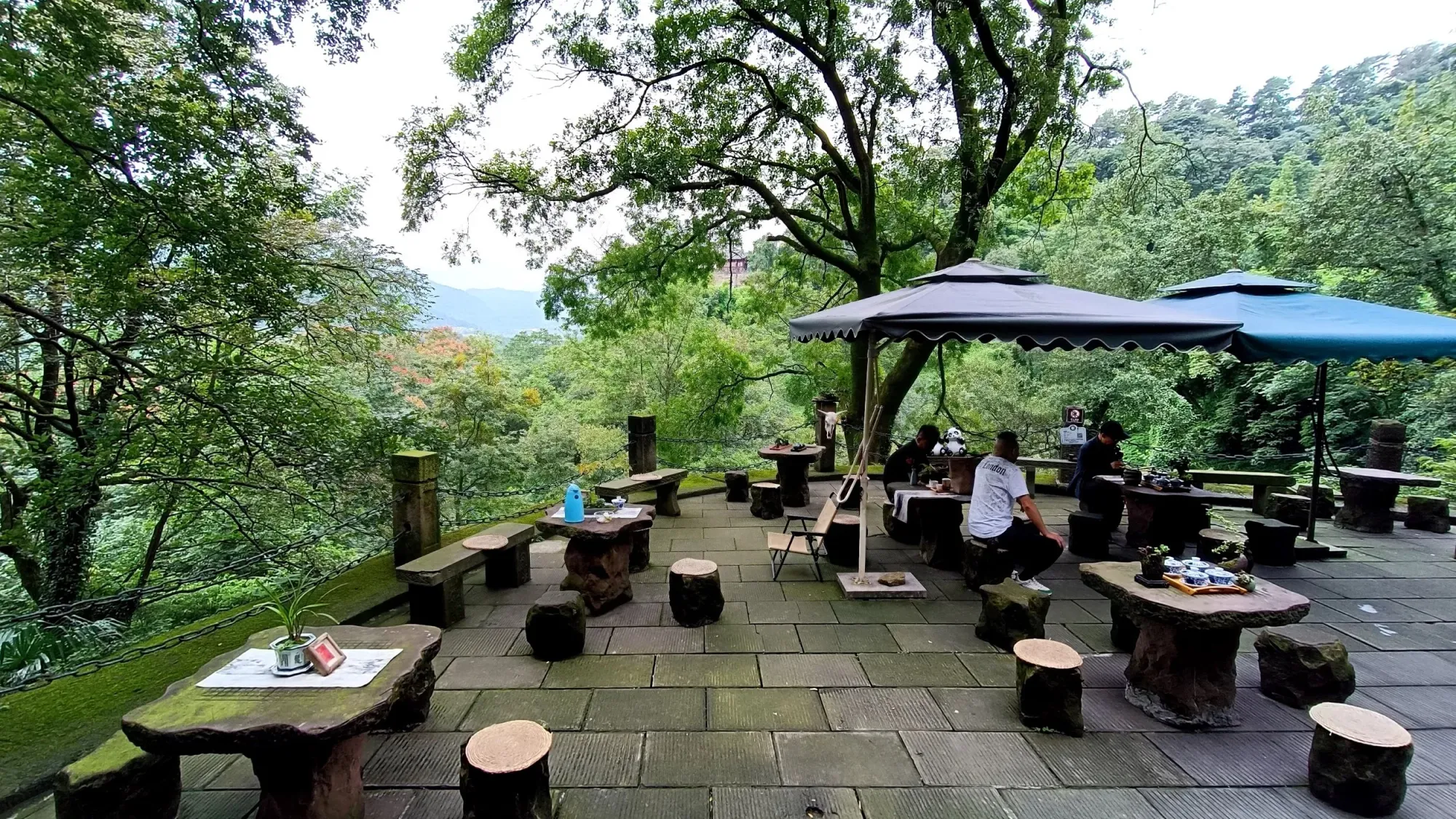
Inside the complex there are plenty of food stalls and coffee shops, especially along the left river bank. They mostly serve Chinese snacks: convenient for a quick lunch, though admittedly not the best quality. The right bank has few places to buy food, but there is a pleasant picnic spot if you bring your own.
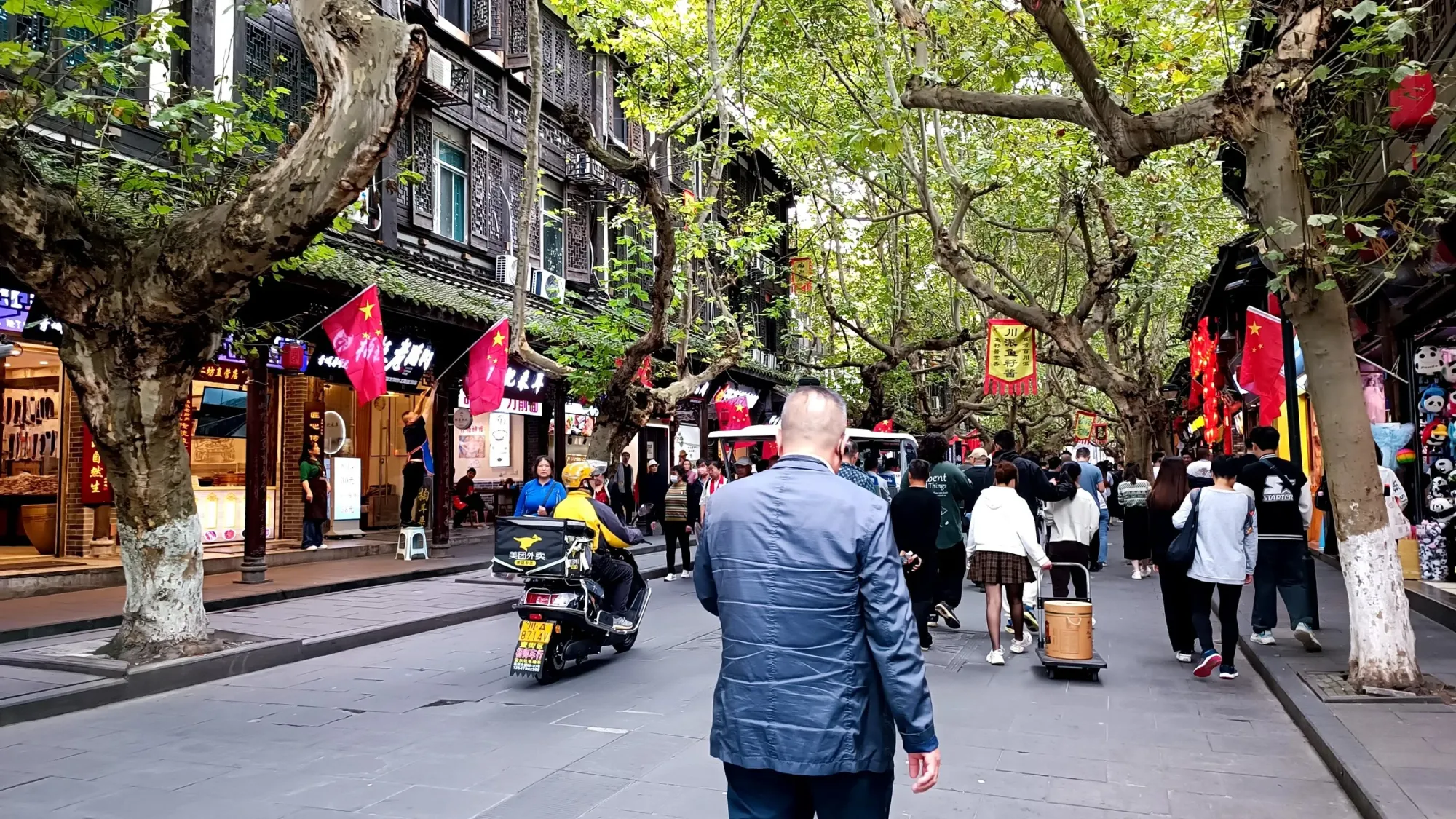
For tasty traditional food, your best bet is the centre of Guanxian Ancient Town, reached via the Ancient Songmao Road or just past Nanqiao. It is full of restaurants, shops and stalls serving mouth-watering Sichuan dishes, snacks and drinks.
Where to stay
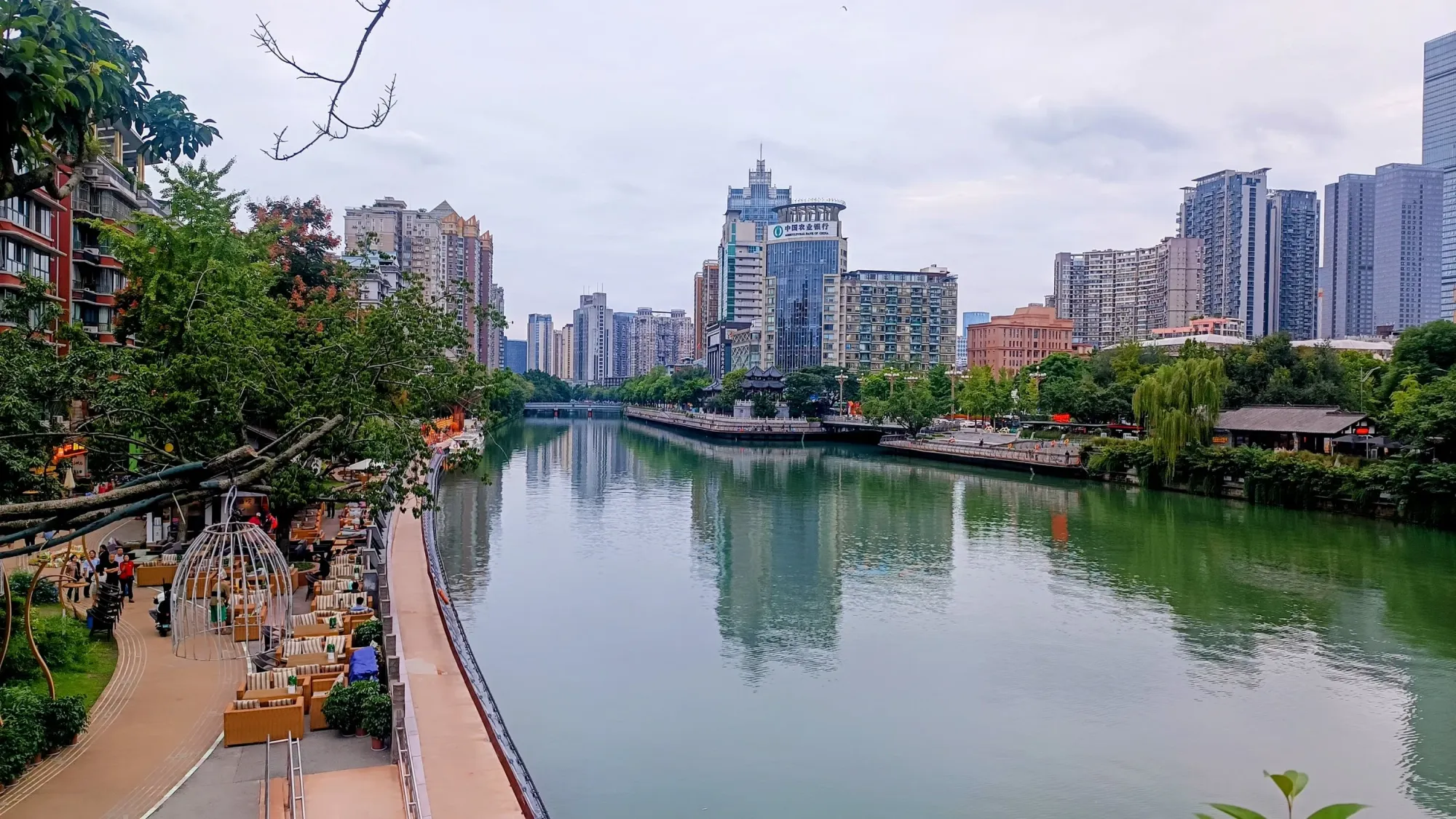
The most common base for visiting Dujiangyan is Chengdu, the capital of Sichuan Province. Given its size, it has accommodation for every budget, it is well connected to all major Chinese cities by high-speed train, and it offers a huge variety of food and entertainment. You can browse hotels in Chengdu on Trip.com.
If you prefer a calm, idyllic place near the mountains, we recommend Qingcheng Shan village. Staying there lets you enjoy the area for longer without worrying about the next train, and to visit nearby attractions such as the Qingcheng Shan Front Mountain and Back Mountain on a multi-day trip.
The village has many delicious traditional restaurants serving fresh, locally grown food, and high-quality hotels for every budget, many with relaxing thermal pools to recover after a long day of sightseeing.
How long to visit
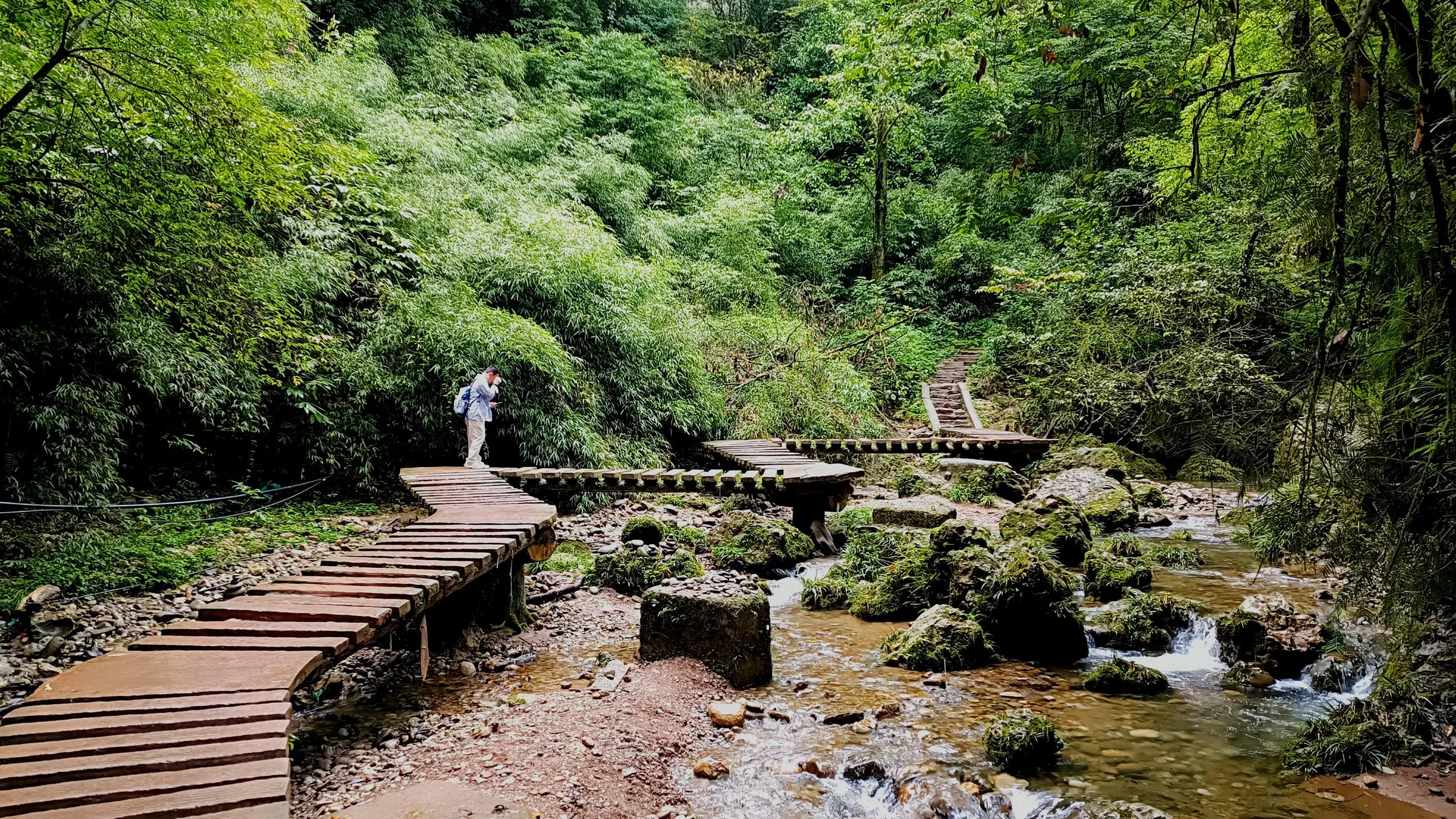
You can visit the irrigation system on a half-day trip at a slow pace. But if you also want to see the South Bridge, the Town God Temple and the cute little shops and restaurants of Guanxian Ancient Town, reserve a full day. That gives you time not just for the main sights, but also to buy souvenirs and taste local delicacies.
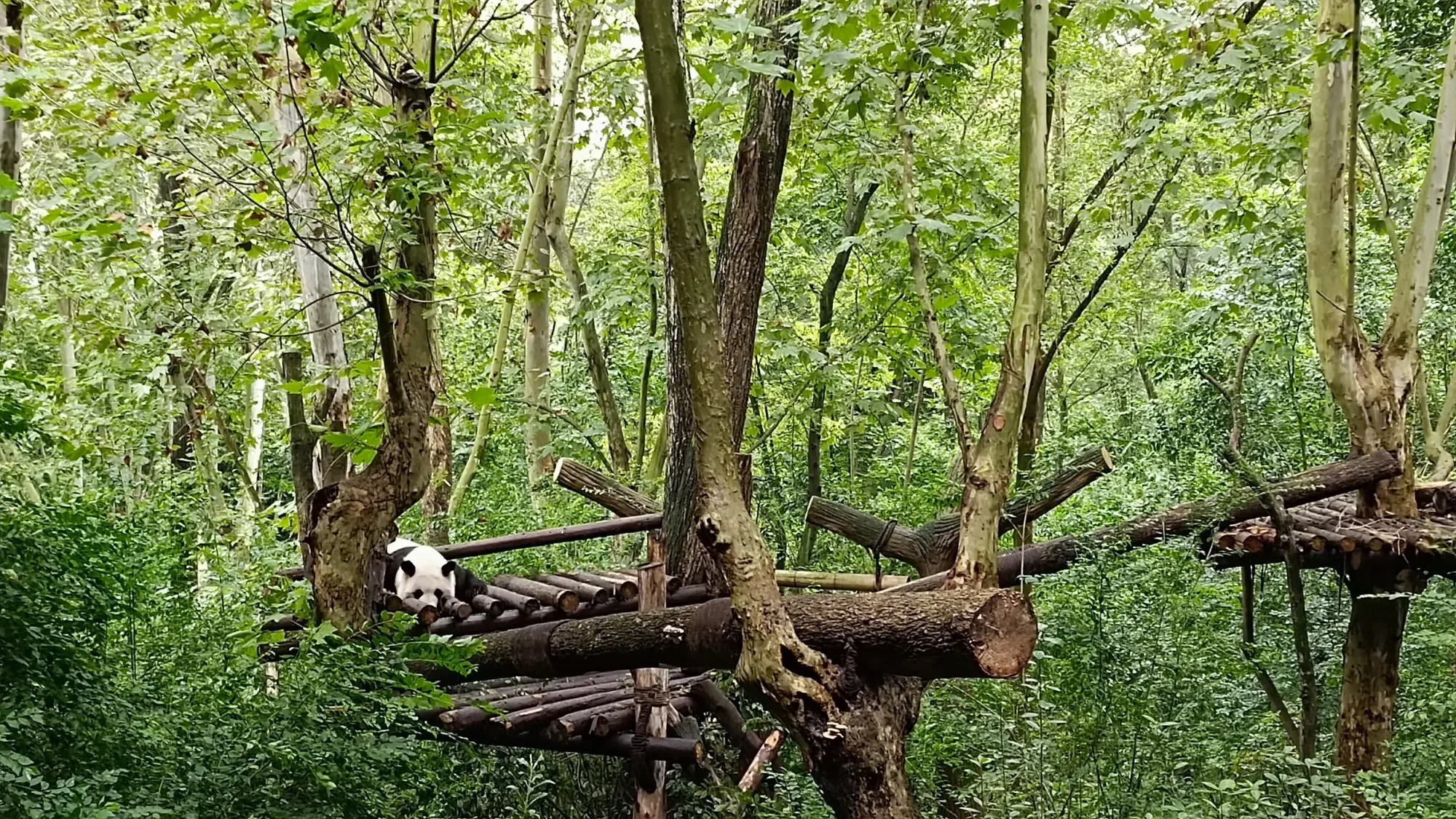
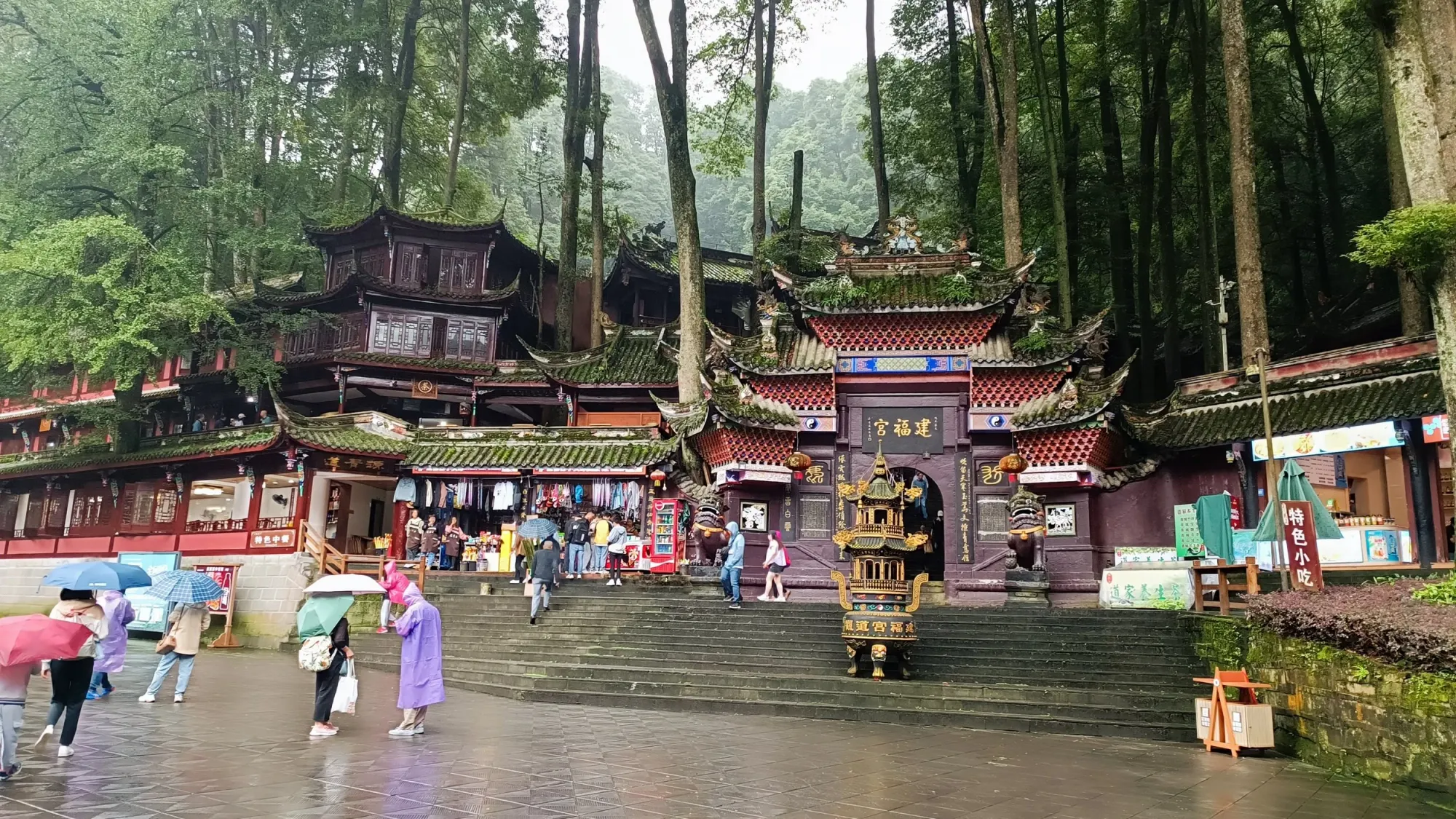
For a faster-paced alternative, combine Dujiangyan with the Qingcheng Shan area. At the Front Mountain you can immerse yourself in Taoism in the setting of DreamWorks' Kung Fu Panda; if you prefer a hike, the Back Mountain lets you discover the lush natural habitat of the pandas. If you go for this option, an organised tour saves time on transport.
Getting there
From Chengdu: the best way is the high-speed train from Xipu Station. It takes about 20 minutes and costs 10 RMB, which makes Chengdu a convenient base.
At Dujiangyan station, take one of the taxis nearby or book a ride with the Didi app (inside WeChat). It takes about 25 minutes by car to reach the irrigation system.
From Qingcheng: the high-speed train also connects Qingchengshan and Dujiangyan in less than 10 minutes for 5 RMB. However, given the distance from the station to the irrigation system, it is more efficient to go directly by taxi or Didi, as Qingcheng Shan is less than 30 minutes away by car.
Alternatively, for a worry-free journey, you can always book an organised tour.
Best time to visit
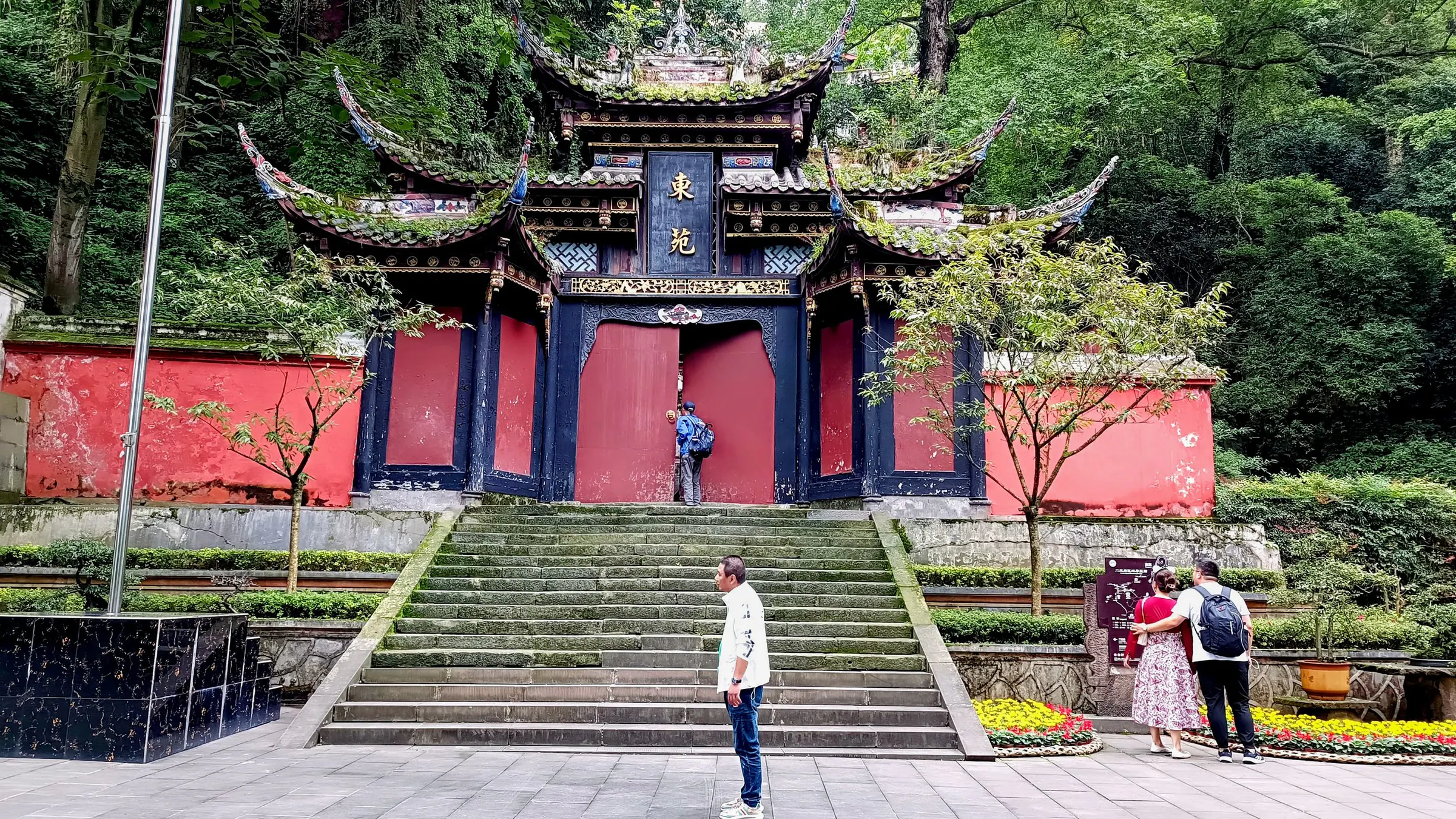
Spring (March to May): the mountain and gardens come alive with blooming flowers, and the weather is generally mild, comfortable for exploring the scenic area on foot.
Summer (June to August): can be hot and humid. Still, the area has the mildest summer temperatures in Sichuan, which makes it popular in the holidays, with larger crowds and longer waits.
Autumn (September to November): like spring, mild temperatures suit outdoor activities, and the foliage paints the mountain red, orange and yellow. It tends to be less crowded than summer, for a more tranquil experience.
Winter (December to February): colder, with snowfall in some areas. If you don't mind the cold, it's a quieter time with fewer tourists.
Is it worth visiting?
If you are interested in Chinese engineering and ancient culture, the Dujiangyan Irrigation System is definitely worth visiting. As the only surviving non-dam irrigation system from the ancient past, it is a unique sight that shaped today's Sichuan by controlling the floods of the Min River and irrigating a previously arid area.
Its setting also makes it appealing for nature lovers and religion and architecture enthusiasts. On the Min River, at the foot of the Yulei mountains, it has a relaxing atmosphere that invites walks and exploration, and the Taoist temples and old buildings of Guanxian add to its charm.
If you're spending a few days in and around Chengdu, consider combining a visit to Mount Qingcheng with the Dujiangyan Irrigation System for an unforgettable experience.