- How long
- 1–2 days
- Best time
- Late Oct–Nov, or spring
- From Osaka
- 1h20–1h40 by train
- Sleep
- Temple lodging
Koyasan Okunoin is one of Japan's most unique and spiritual destinations. Located in the Wakayama Prefecture, Koyasan (or Mount Kōya) is a sacred mountain town that has been an important center of Buddhism for over 1,200 years.
Spending time in Koyasan offers a unique opportunity for a spiritual retreat unlike any other. Participating in the morning prayers performed by the resident monks, strolling through the ancient graveyard of Okunoin, and meditating in the serene surroundings are just a few ways to connect with the spiritual essence of Koyasan.
The town is home to more than 100 temples and the Okunoin cemetery, Japan's largest cemetery. The Okunoin cemetery is a sacred and peaceful place where over 200,000 tombstones and memorials are located. It's the final resting place of many prominent Japanese historical figures and spiritual leaders, including Kobo Daishi, the founder of Shingon Buddhism.
Although tourism in Japan is back to pre-pandemic levels, Koyasan remains off the radar of mass tourism due to its distance from Osaka and Kyoto. This makes it a perfect option for 1–2 days of slower-paced exploration.
“Staying overnight at a temple added to the richness of the experience. Participating in morning prayers was a highlight, leaving an indelible impression.”
What to see
 STOP 1
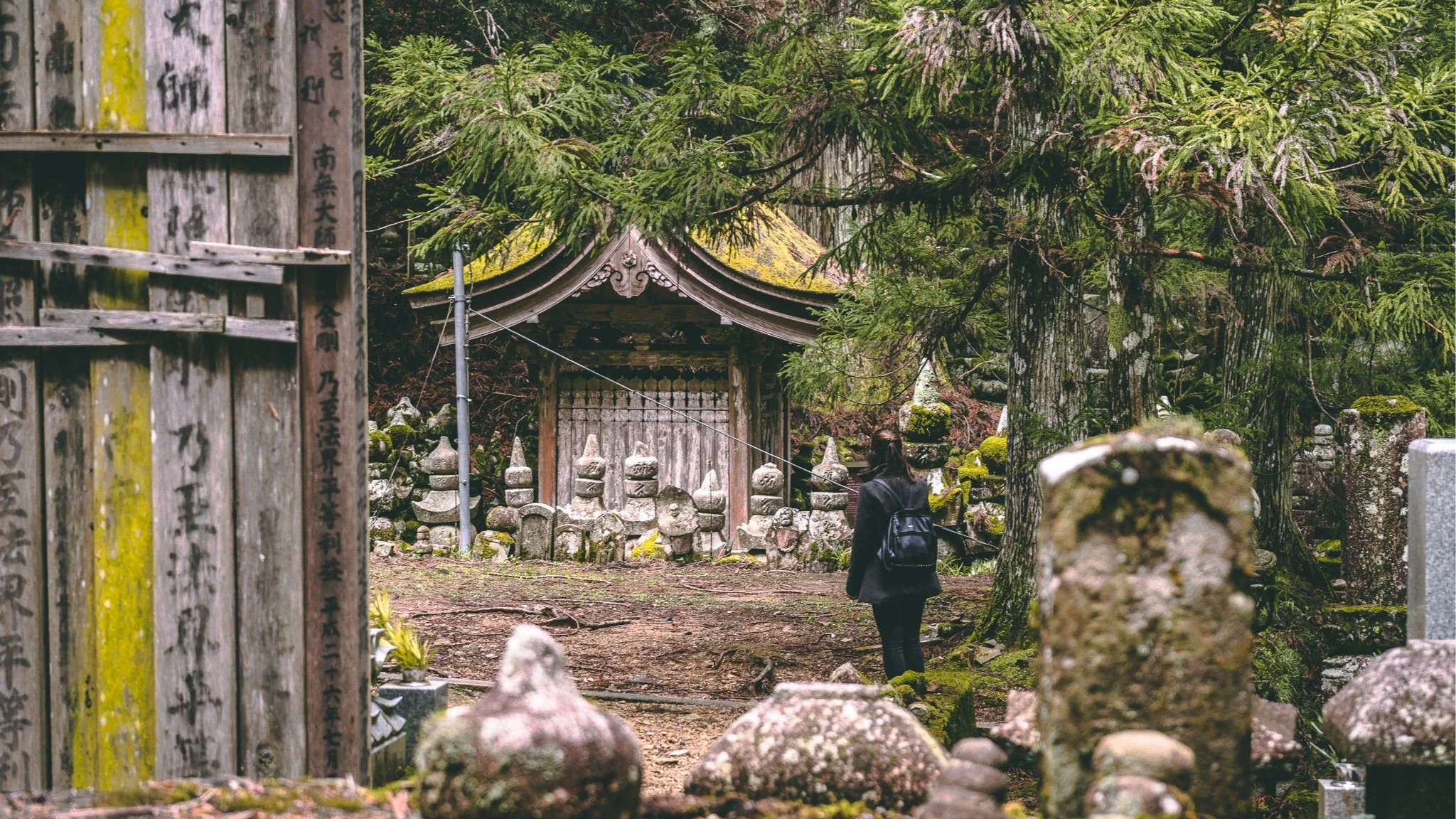
Entering the cemetery
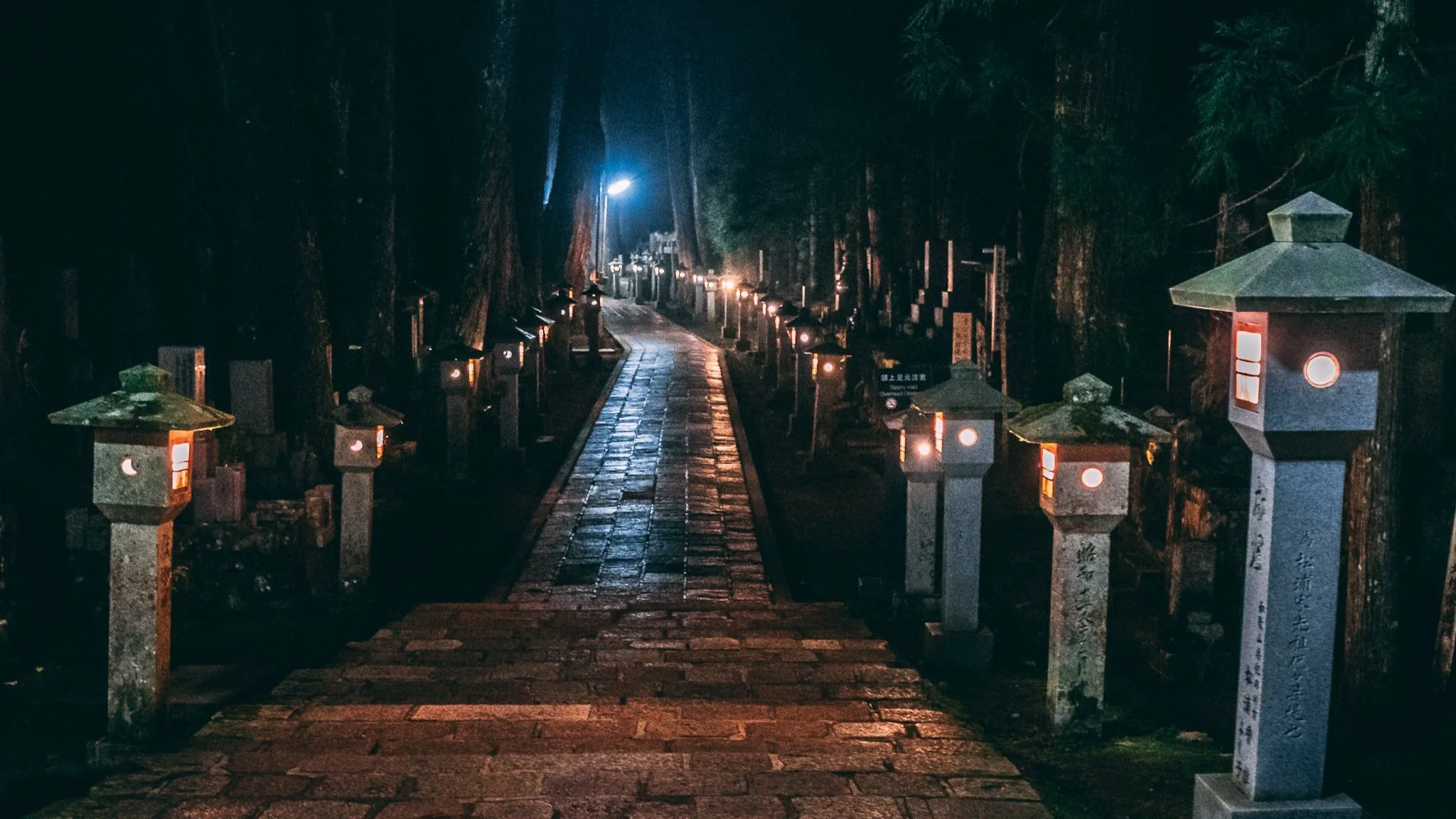
The cemetery is a serene and picturesque place, with tall cedar trees, moss-covered tombstones, and lanterns that illuminate the paths at night. Walking through the cemetery is a spiritual journey, and visitors are encouraged to take their time, reflect, and pay their respects.
At the heart of the cemetery is the mausoleum of Kobo Daishi, where it is believed he still resides in eternal meditation, waiting to awaken when the time is right.
 STOP 2
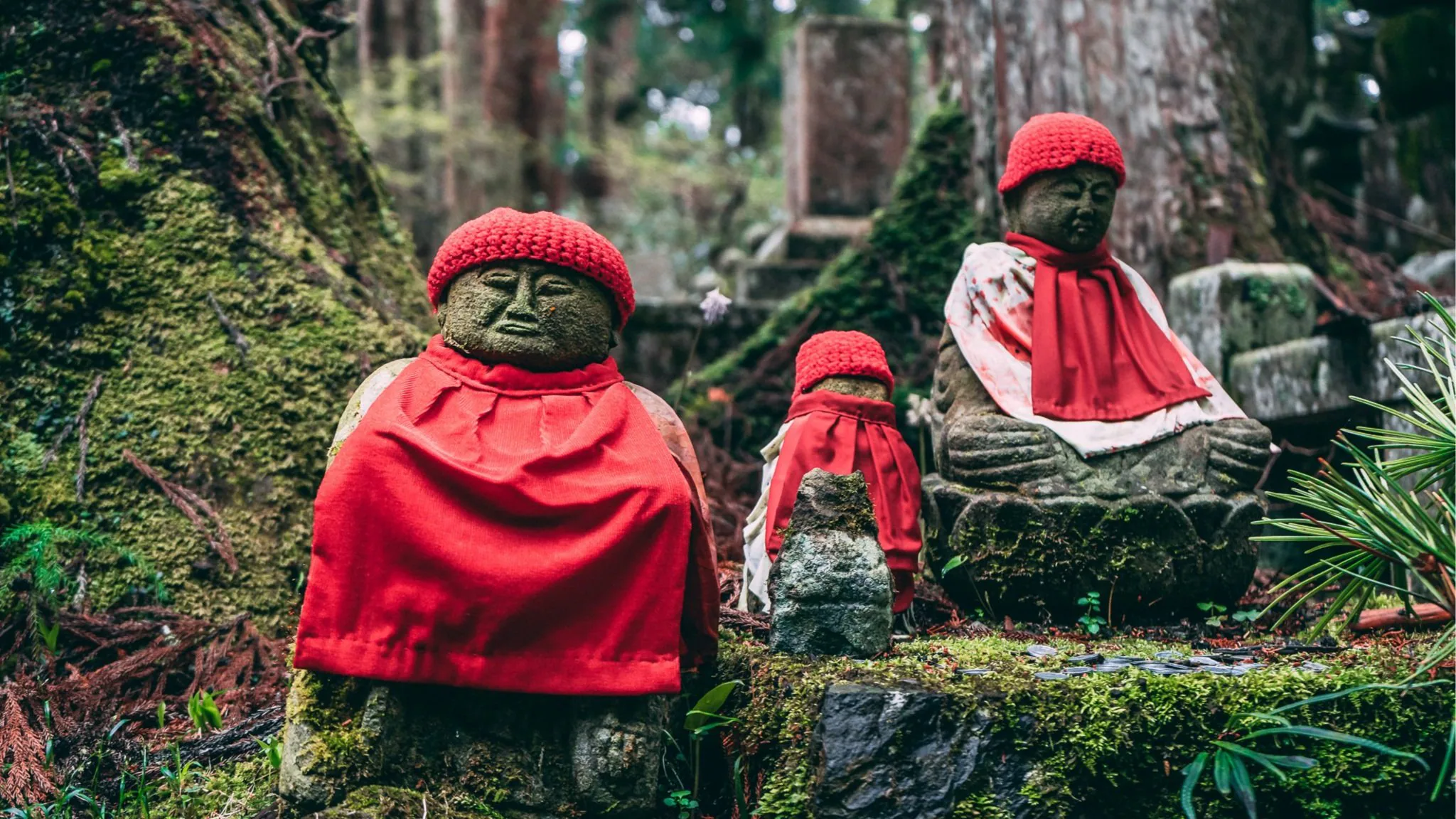
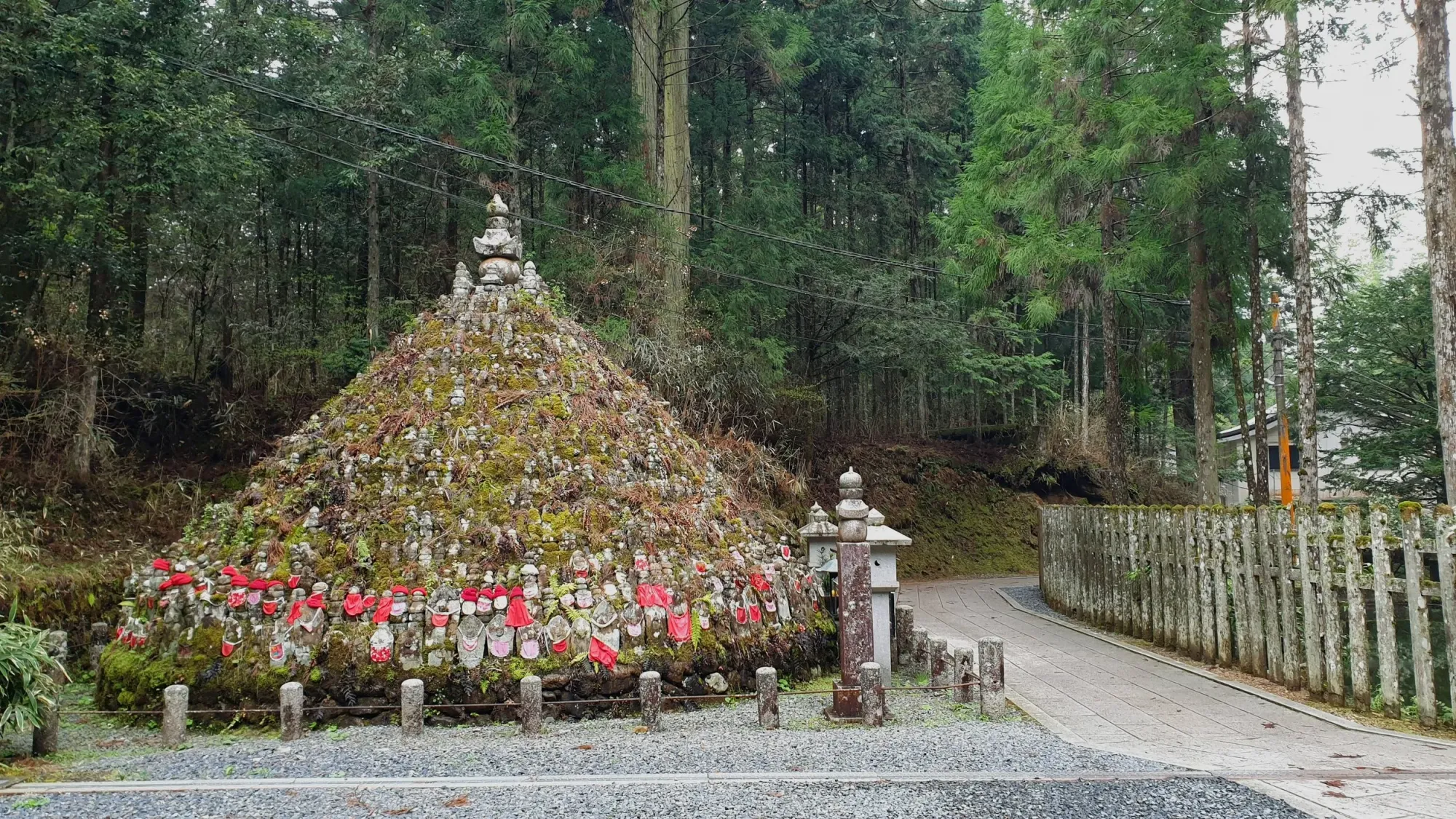
The jizo statues
One of the most unique aspects of the Okunoin cemetery is the thousands of small stone statues, known as Jizo, that line the paths. They are believed to be the guardians of children and travelers and are adorned with red bibs and hats.
Visitors can also take part in a traditional Buddhist ritual called the Mizuko Kuyo, performed to comfort the spirits of unborn children, by offering water, flowers and sweets to the Jizo statues.
 STOP 3
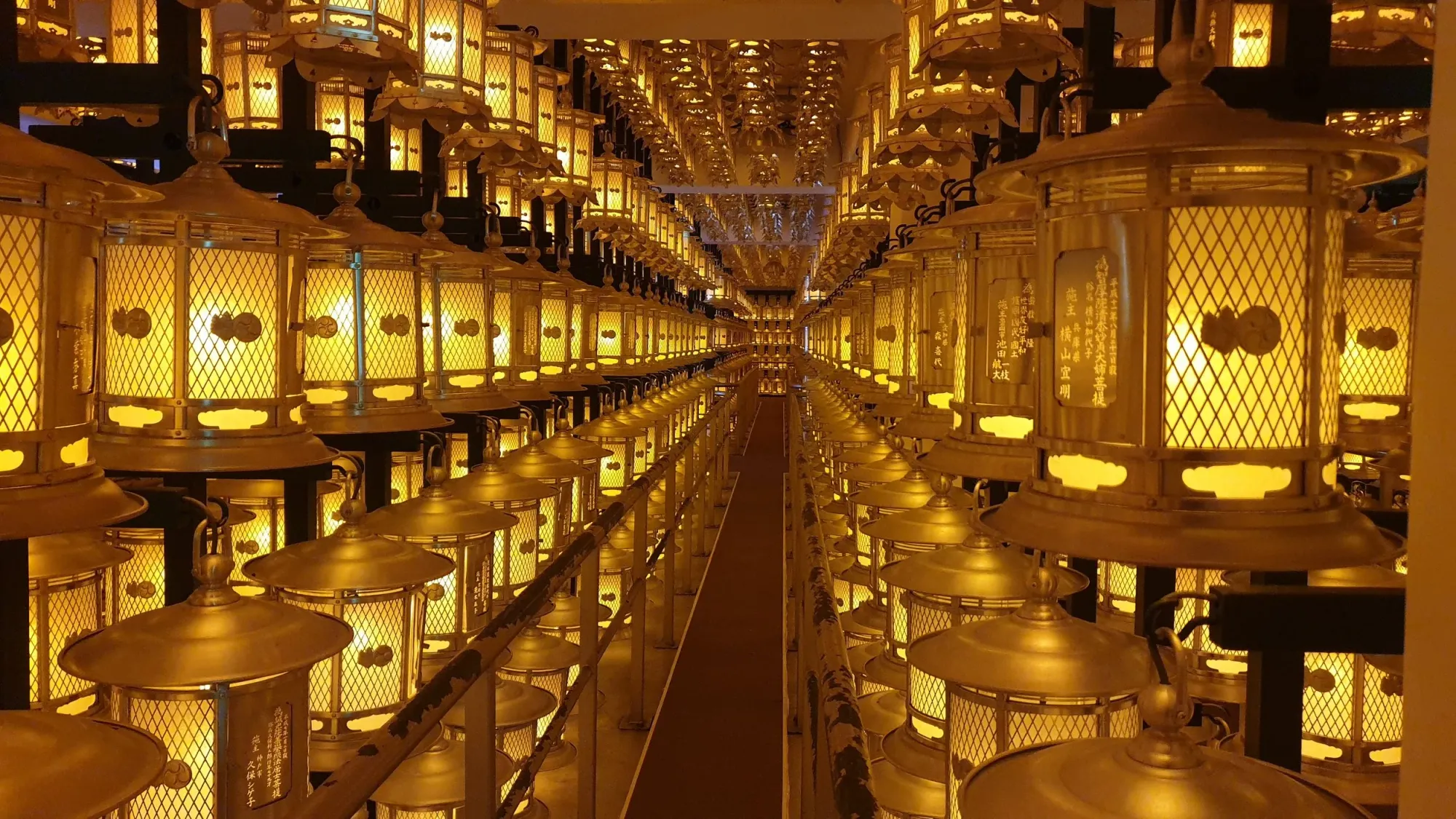
Torodo Hall
The Torodo Hall, also known as the Hall of Lamps, stands behind the main worship hall of Okunoin. It houses over 10,000 lanterns donated by worshippers and pilgrims, kept lit by the monks and locals as a symbol of eternal light and enlightenment.
 STOP 4
Kobo Daishi's mausoleum
Next to the hall, Kobo Daishi's Mausoleum is the final resting place of one of the most influential Japanese Buddhist monks and the founder of Shingon Buddhism. It is a site of eternal meditation and worship, and it's common to see pilgrims praying and chanting sutras here.
 STOP 5
Okunoin at night
It is also possible to visit the cemetery at night. The temples are closed, but as the sun sets the atmosphere changes completely.
The fresh, humid air smells of the forest, and the silence amplifies the rustling leaves and the sounds of nocturnal animals. Wandering the winding paths past Ichinohashi Bridge, dimly lit by traditional lanterns, is a unique and somewhat eerie experience.
Where to stay
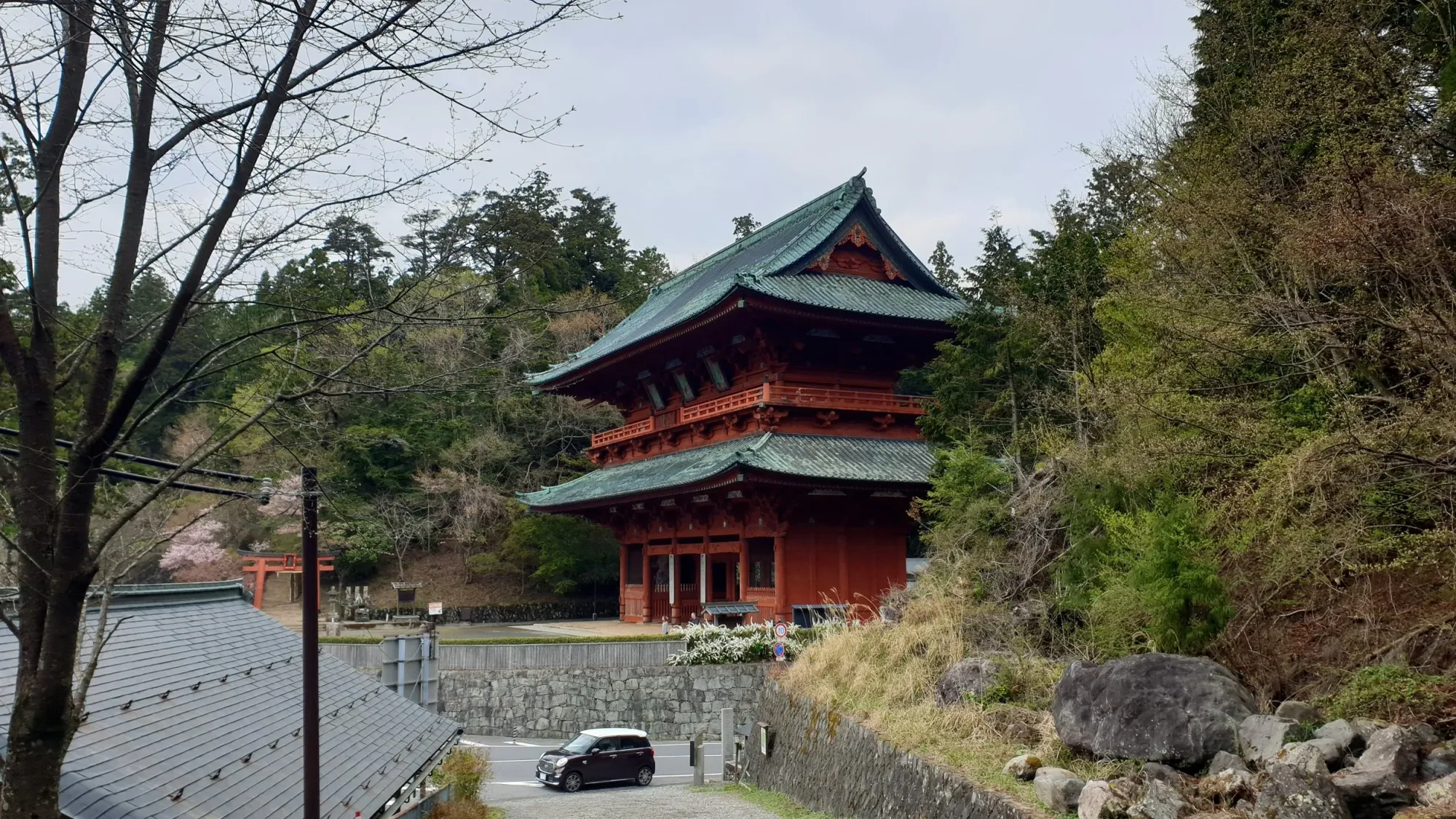
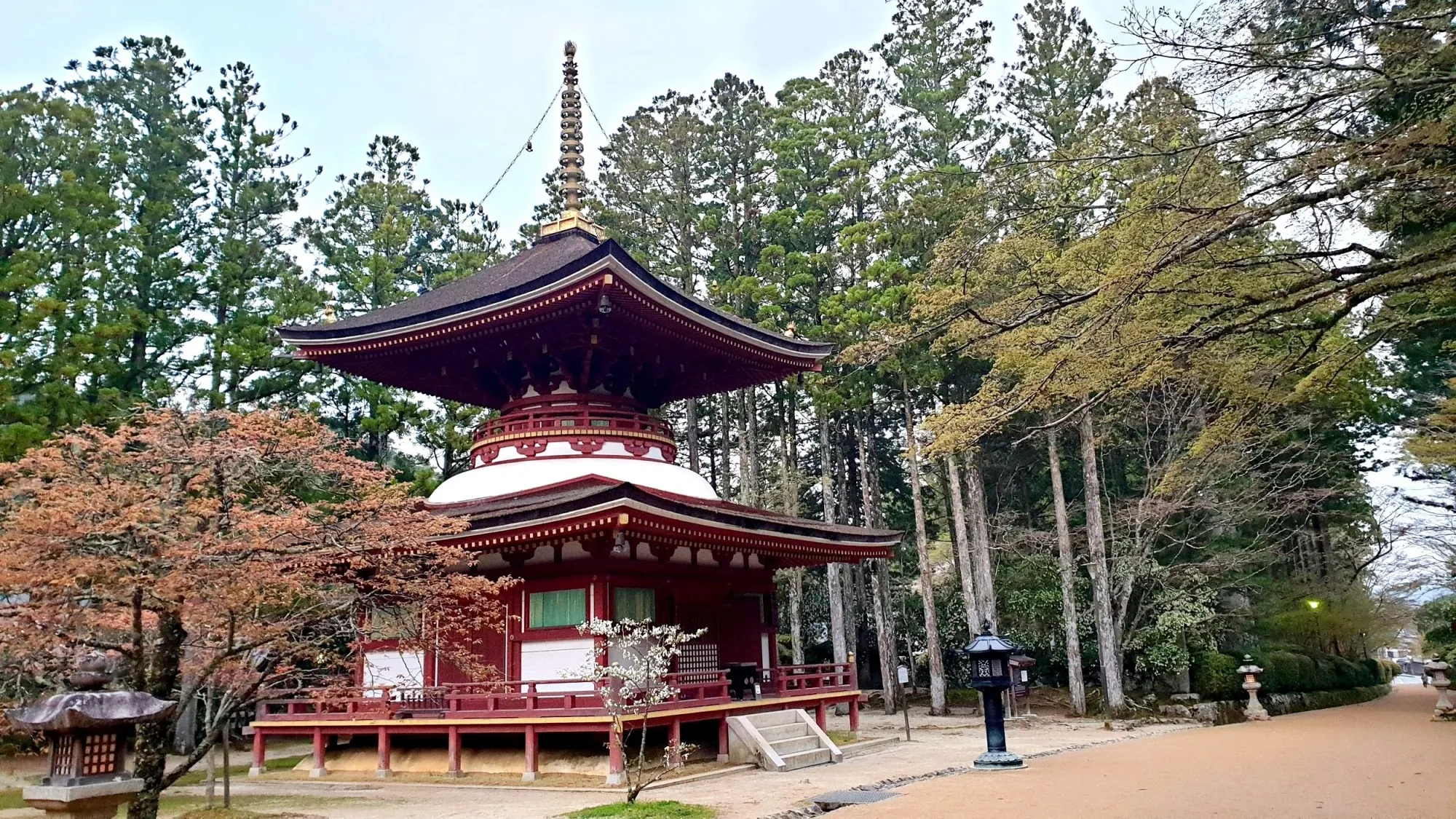
We highly recommend staying overnight in the village. You will have more time to explore the cemetery and the important temples nearby, such as the Garan Temple Complex. Koyasan is also home to some of the most emblematic pilgrimage trails in Japan, like the Women Pilgrims Course and the Kohechi Trail.
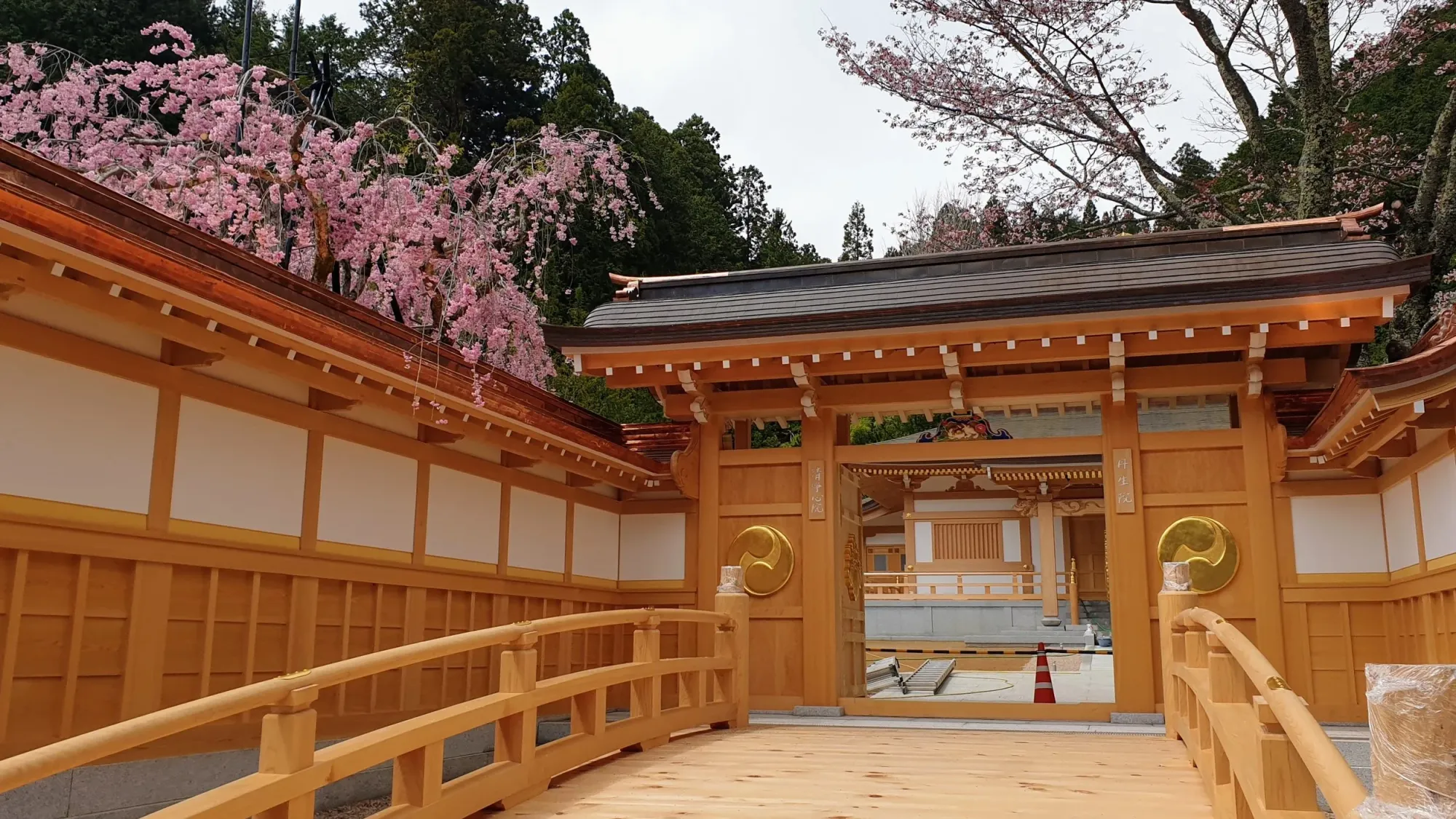
Many Buddhist temples offer overnight stays for pilgrims and travelers. It is not the cheapest option, but your stay supports the monks and the experience is unforgettable. Ours included the morning prayers, a vegetarian breakfast with the monks, traditional clothes for the ceremonies, tea, and access to the garden and thermal baths.
Getting there
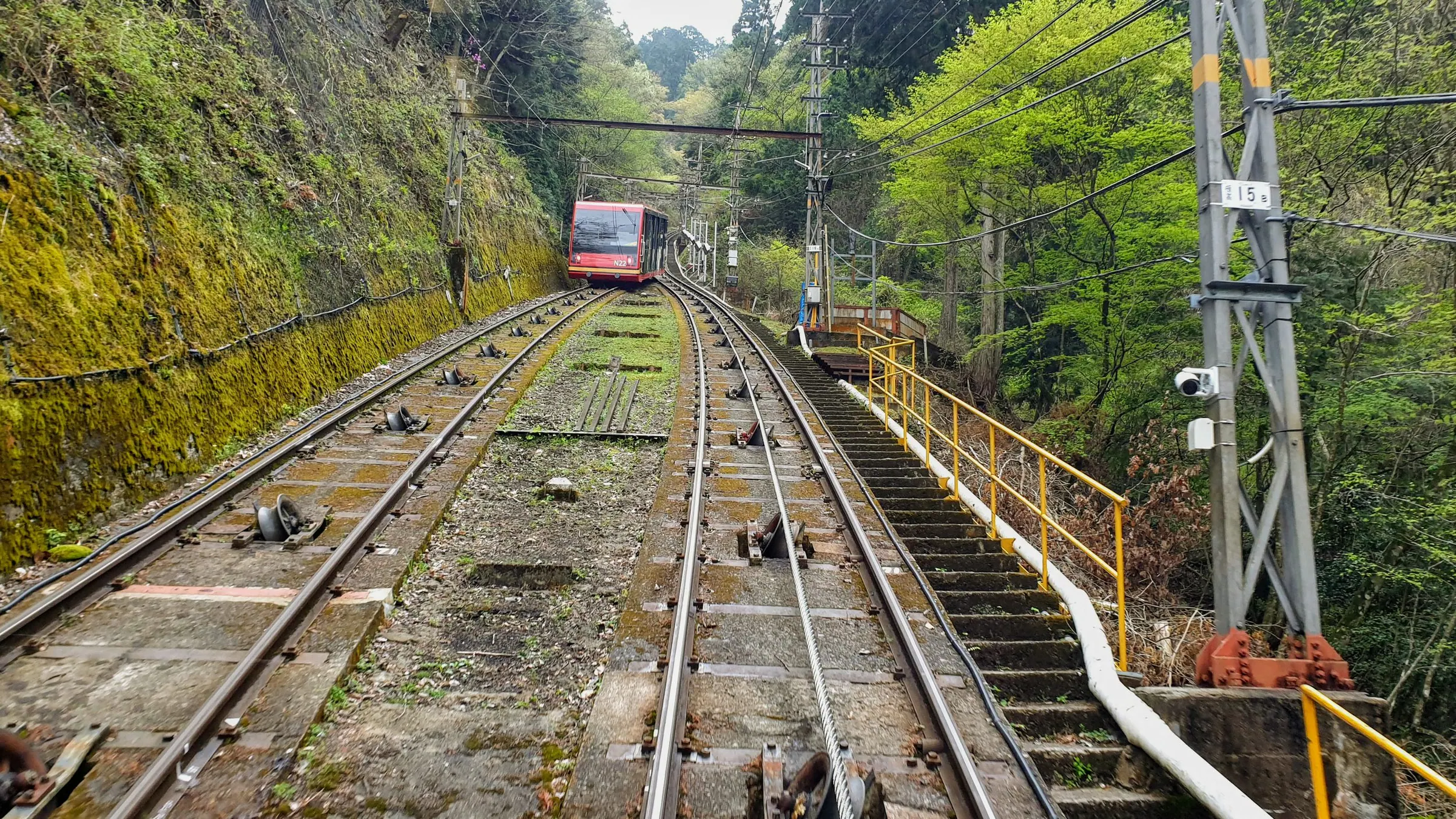
Koyasan is reached by train from Osaka's Namba or Shin-Imamiya stations. The Nankai Railway to Gokurakubashi station takes 1h20 to 1h40, depending on whether you catch a direct train. You can also change at Hashimoto, which has more frequent trains.
From Gokurakubashi, a short and scenic cable car takes you to the top of the mountain. From there, catch a bus to the village centre (Senjuinbashi stop) or straight to the cemetery (Okunoin-mae stop).
Most of the road between the cable car and the village is restricted to buses. If you would rather walk, skip the cable car and hike up the Fudozaka trail.
Best time to visit
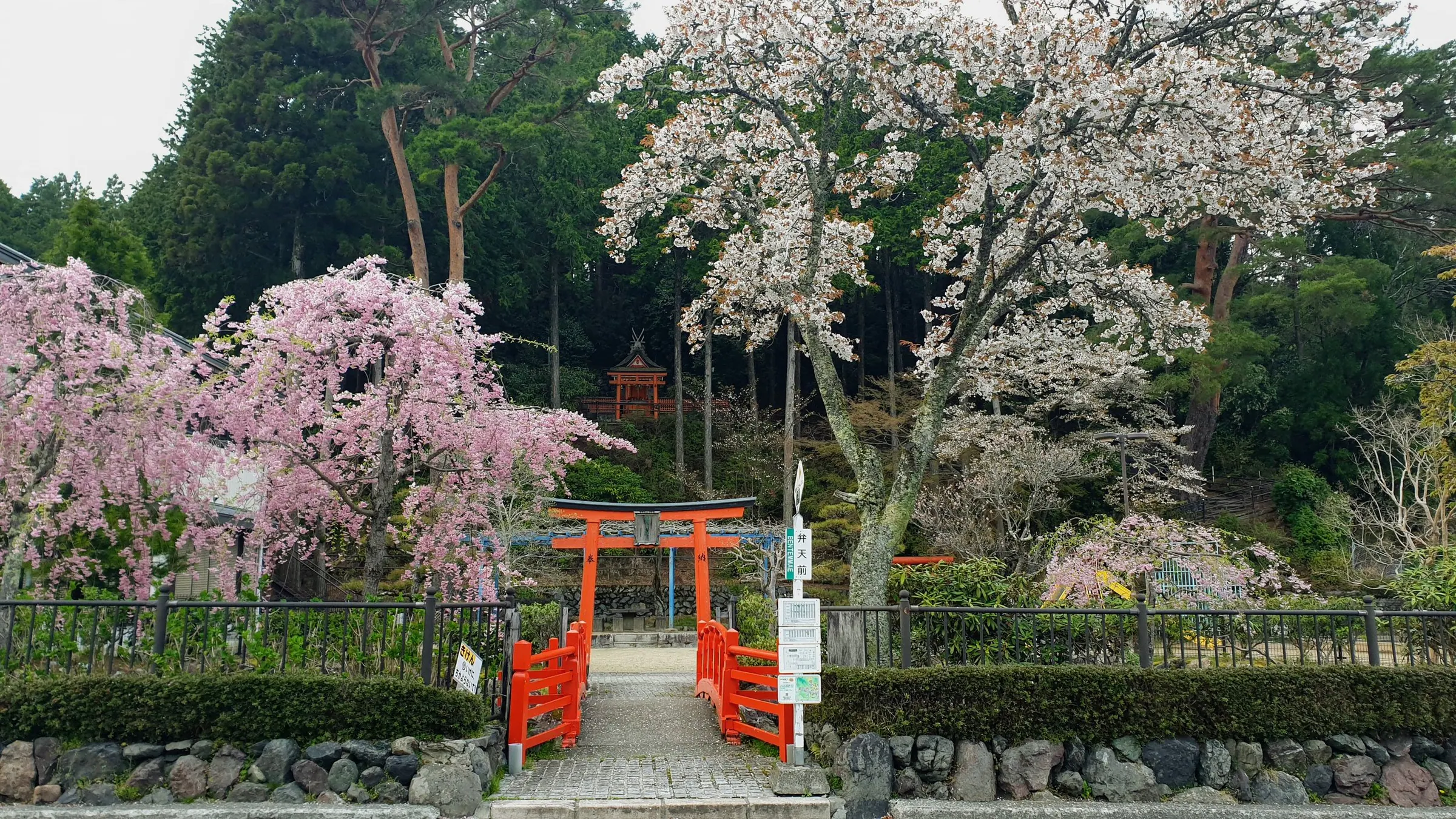
The best time to visit is autumn, typically late October to November, when the foliage turns red, orange and yellow.
We visited in spring, which was also a great time: mild weather, fresh sunny days, and small flowering trees among the huge cedars.
Avoid winter and summer if you can. In winter the town is covered in deep snow, which makes transport hard and some temple lodgings difficult to reach. Summer can be uncomfortably hot and humid.
Is it worth visiting?
As the centre of Shingon Buddhism and one of Japan's most sacred sites, Okunoin offers a profound sense of peace and reflection, whatever your beliefs. Despite the language barrier, the warm hospitality made us feel truly welcome.
Surrounded by the eight peaks of Mount Kōya, the village is crossed by quiet forest trails leading to temples and pagodas. Whether you come for culture, history, spirituality or simply calm, Koyasan is a rewarding journey.
Where we would stay
We may earn a commission when you book through these links. It never changes your price.