- How long
- 1 day
- From Kyoto
- 20–25 min by train
- Start at
- Tenryu-ji, 7 min from Arashiyama Station
- Bamboo grove
- Early morning or late afternoon
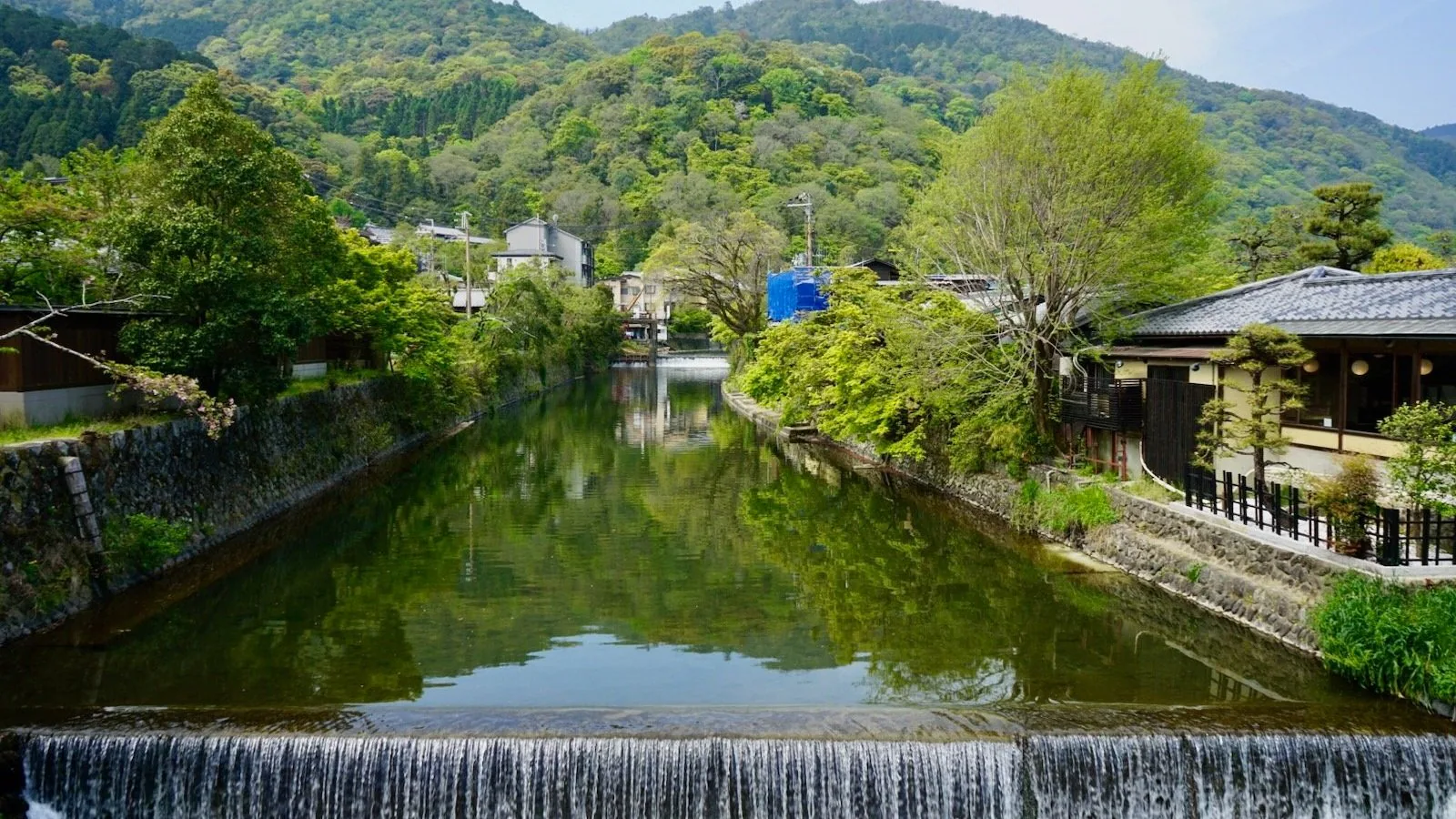
Situated on the western outskirts of Kyoto, the former capital of Japan, Arashiyama captivates visitors with its enchanting atmosphere. Here, you'll stroll through towering bamboo groves, explore ancient temples steeped in history and tradition, and admire picturesque river views that evoke a sense of tranquility and wonder.
As you wander through Arashiyama's bamboo groves, it's easy to forget that you're still in the city. The dense greenery envelops you, creating a sense of intimacy and tranquility that is hard to find elsewhere. As the sunlight filters through the leaves, casting dappled shadows on the ground, you might feel as though you've stumbled upon a secret garden.
One of the most captivating sights in Arashiyama is the Tenryu-ji Temple. As you step through the temple gates, time seems to slow down and you can immerse yourself in the serene beauty of the gardens. The stillness is interrupted only by the sound of trickling water and chirping birds.
Tourism in Japan is returning to pre-pandemic levels and Arashiyama remains a top destination for those staying near Kyoto. But by following this route through Arashiyama and Mount Ogura, you'll discover peaceful, untouched landscapes all to yourself.
“After the Bamboo Grove you start to notice fewer and fewer people around you.”
What to see
 STOP 1
Arashiyama
We recommend starting your journey at Tenryu-ji Daihojo, a 7-minute walk from Arashiyama Station or 12 minutes from Saga-Arashiyama Station. It's very easy to find your way to Tenryu-ji using the signs or Google Maps.
 STOP 2
Tenryu-ji Daihojo
Founded in 1339 by Ashikaga Takauji, the first shogun of the Ashikaga shogunate, this Zen Buddhist temple holds significant cultural and historical importance. You'll find yourself among the serene temple grounds and historic buildings such as the main hall (hondo) and the Abbot's Quarters (Daihōjō), which offer insight into Japanese temple architecture.
The Sogenchi Garden, designed by Muso Soseki, blends natural beauty and craftsmanship in a way that is quite impressive.
Take a stroll along the temple's pathways for views of the surrounding forested hills, where you can catch sight of the nearby Arashiyama Bamboo Grove.
 STOP 3
Bamboo Grove
This dense grove of bamboo stands tall, creating a unique and picturesque landscape. You walk through it along designated pathways, surrounded by towering stalks that create a cool, shaded environment, while the sound of the leaves rustling in the wind adds to the ambiance.
The grove is especially stunning in the early morning or late afternoon, when the sunlight filters through the bamboo and there are fewer visitors. It can get crowded with tourists, so visiting during off-peak hours is recommended for a more peaceful experience.
 STOP 4
Escape the crowds
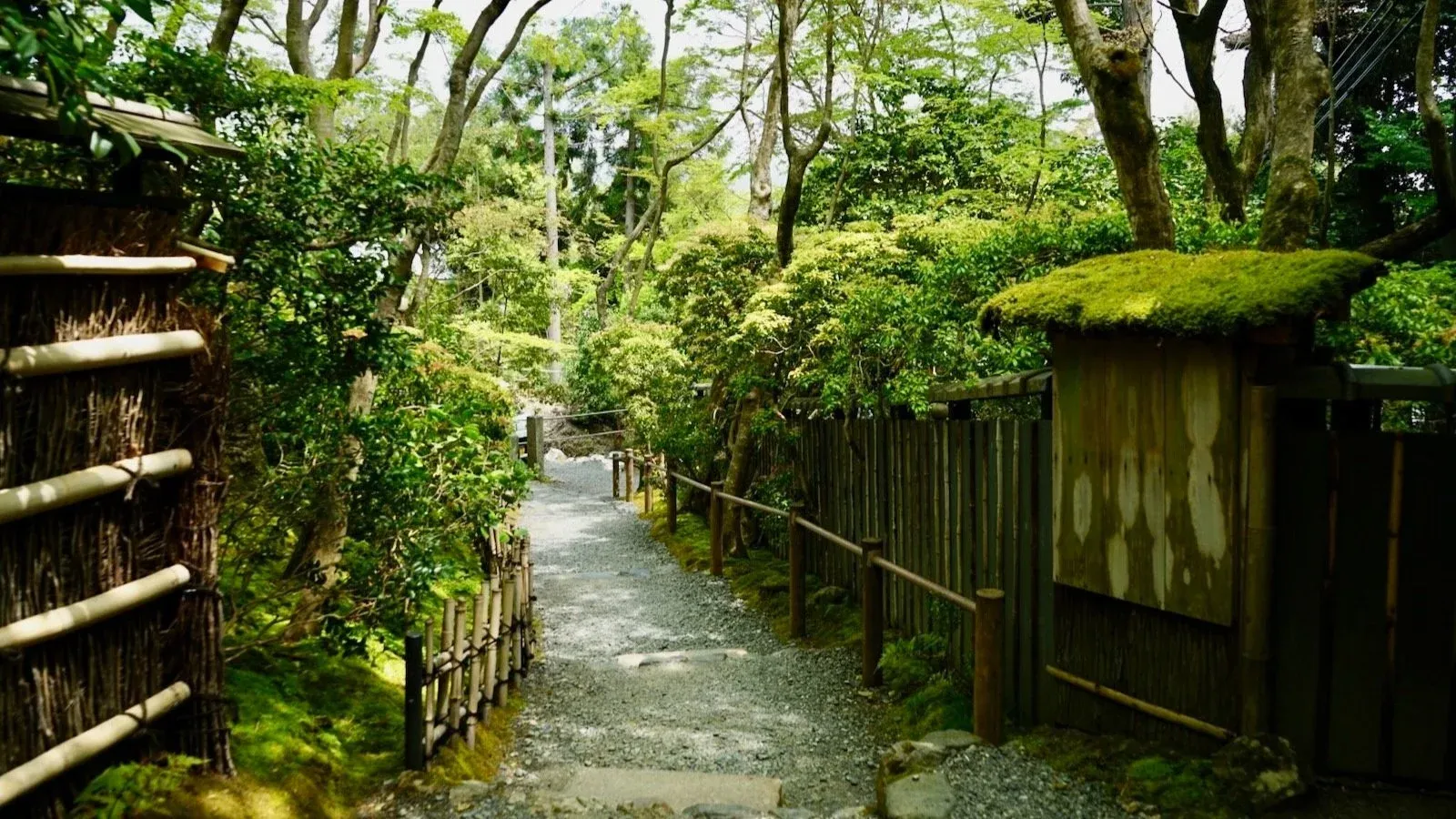
After you pass the Bamboo Grove you will start to notice fewer and fewer people around you. Most visitors stay in the centre of Arashiyama and explore the many points of interest there. But if you prefer a quieter, more tranquil experience, you will probably like what comes next.
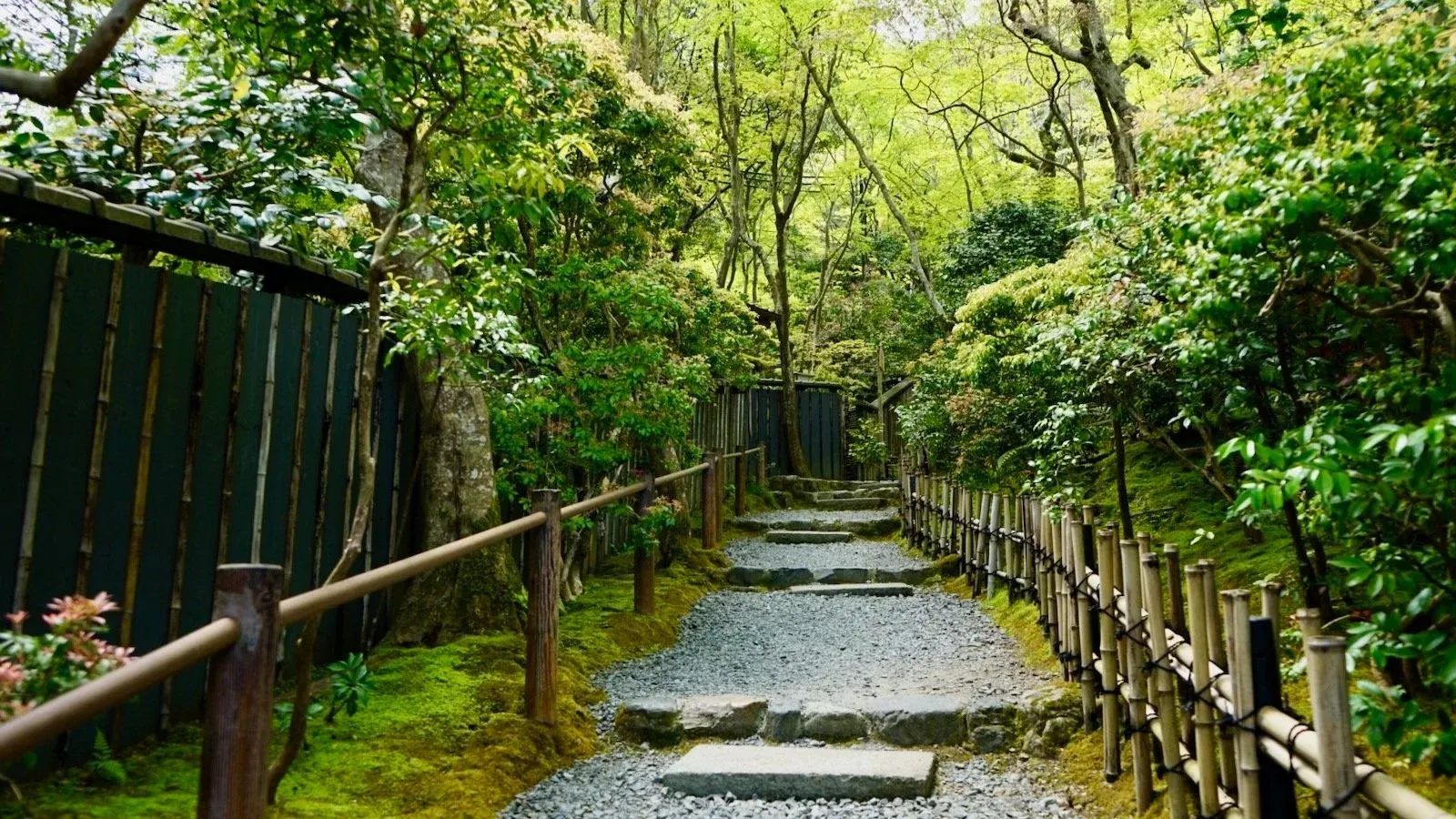
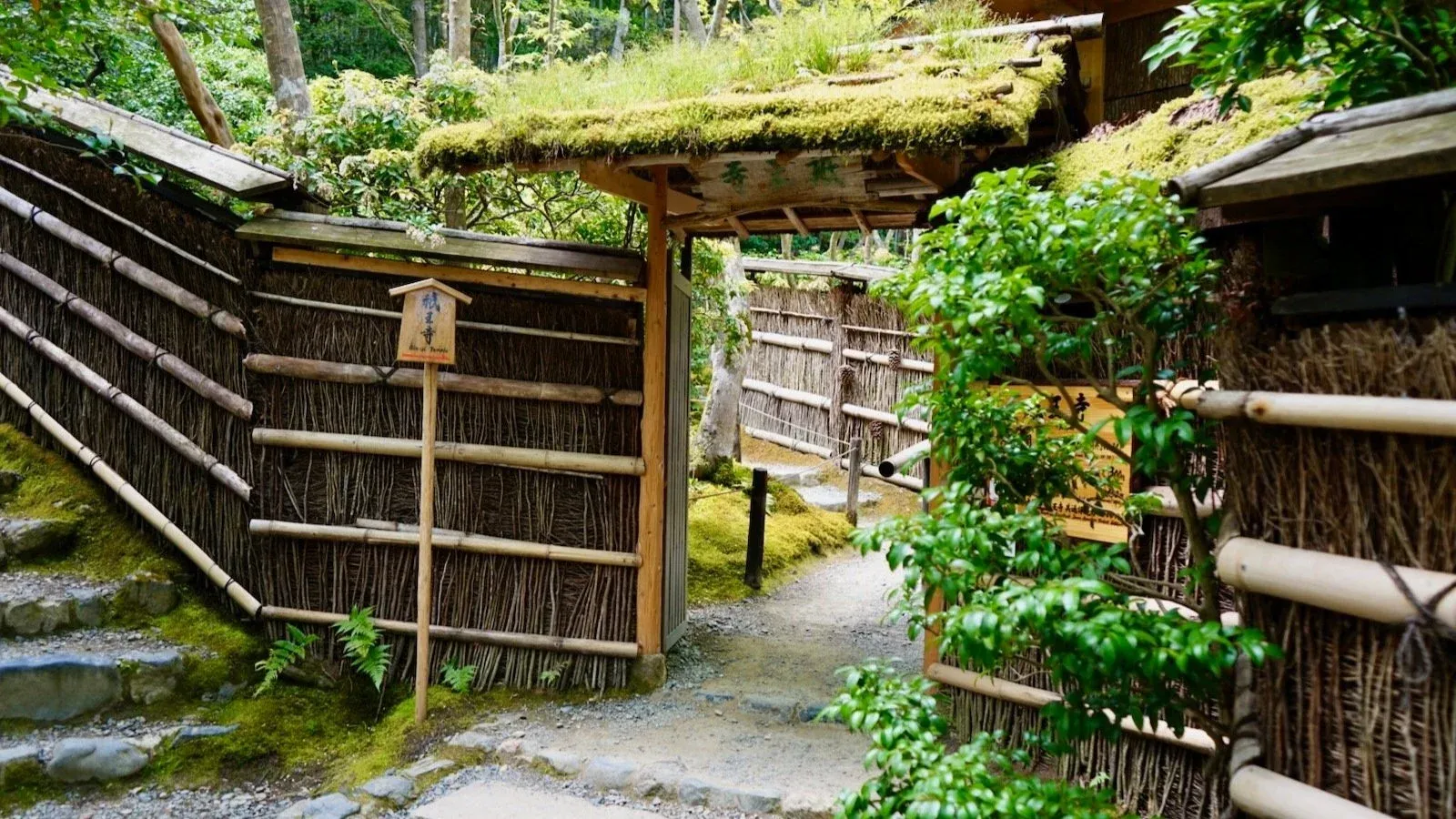
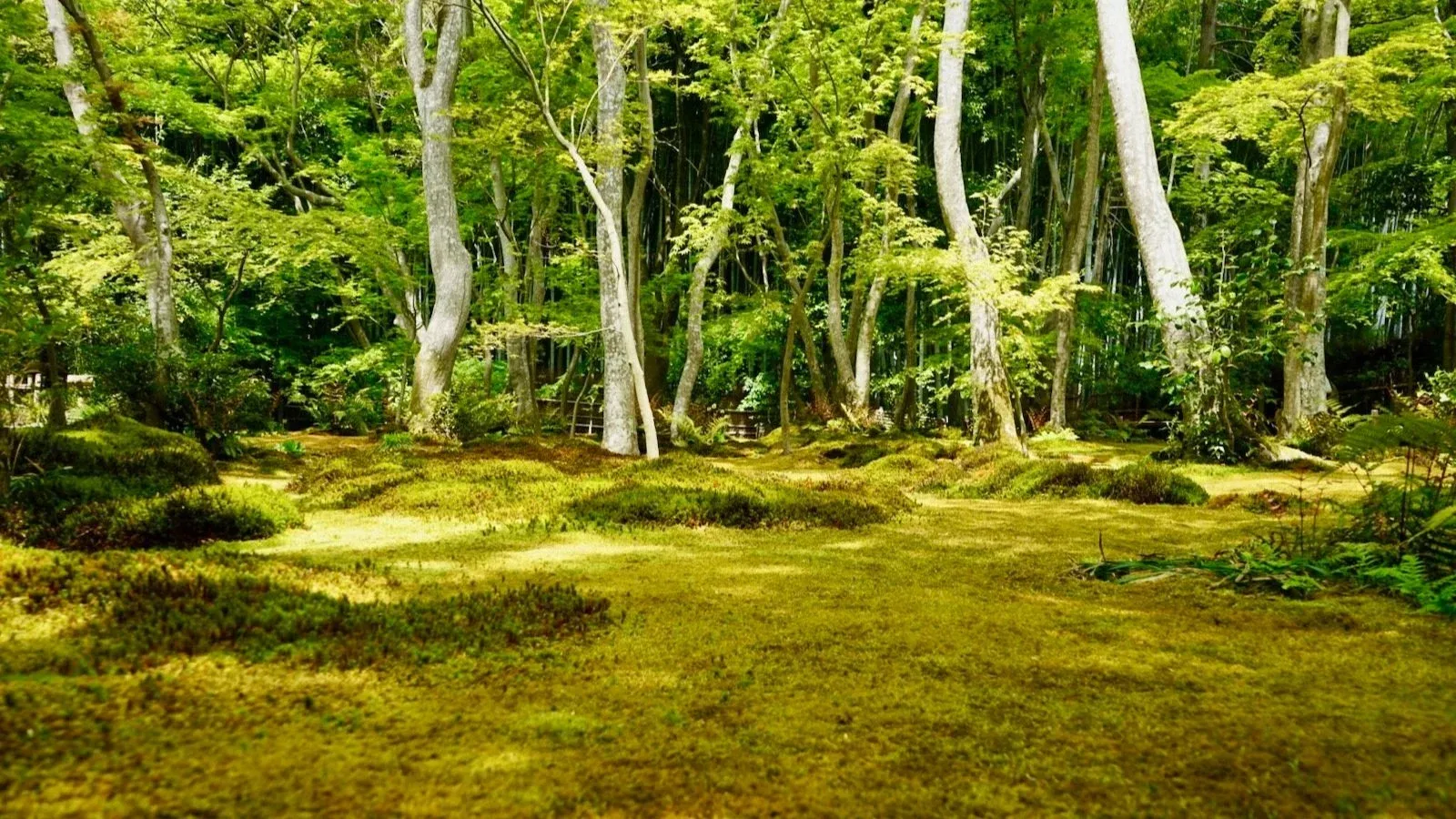
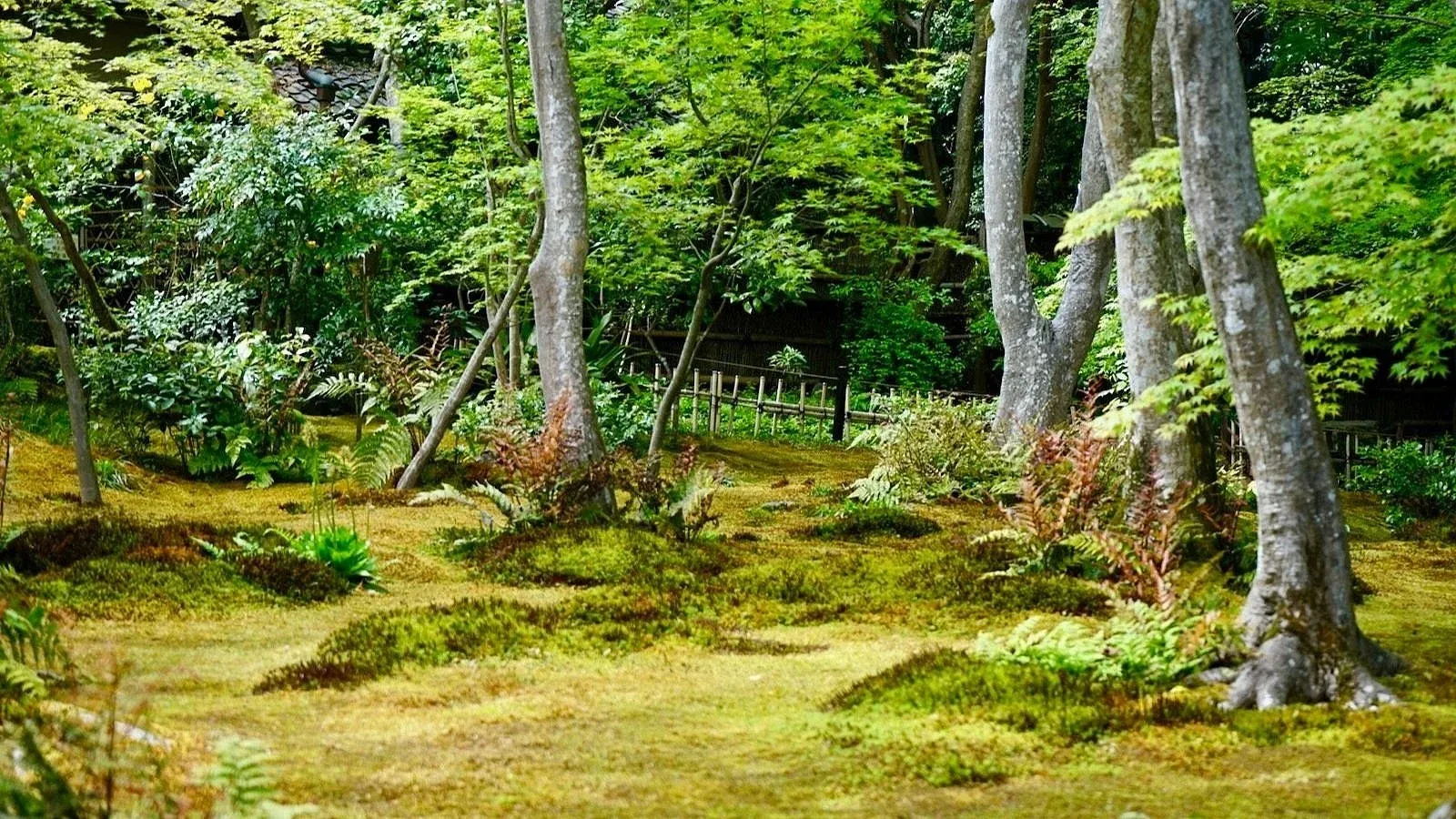
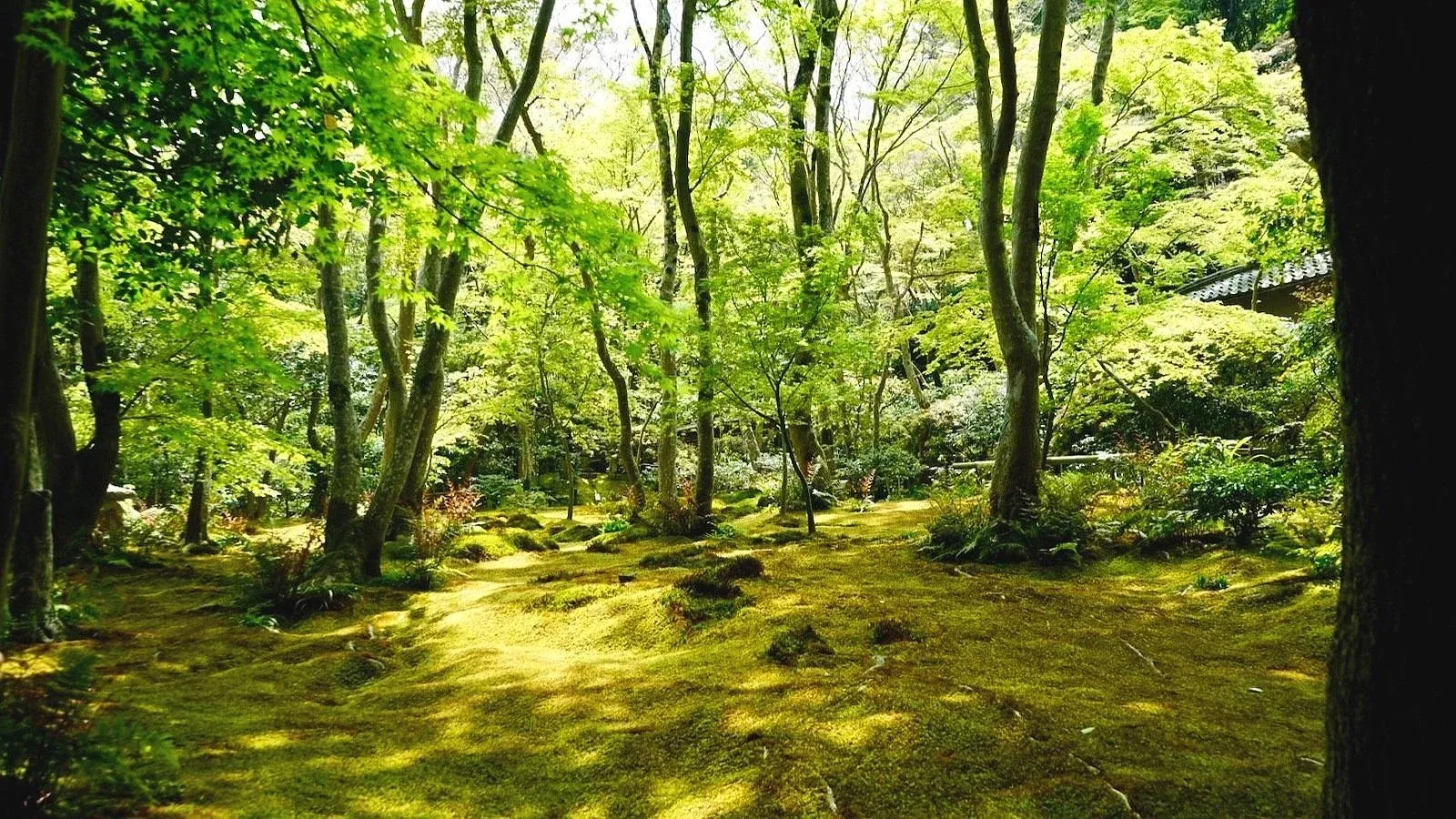
As you continue along the forest path, the visitor numbers keep dropping. After a few minutes' walk you reach the entrance of Giou-ji Temple, with one of the most beautiful moss gardens in Kyoto.
 STOP 5
Giou-ji Temple
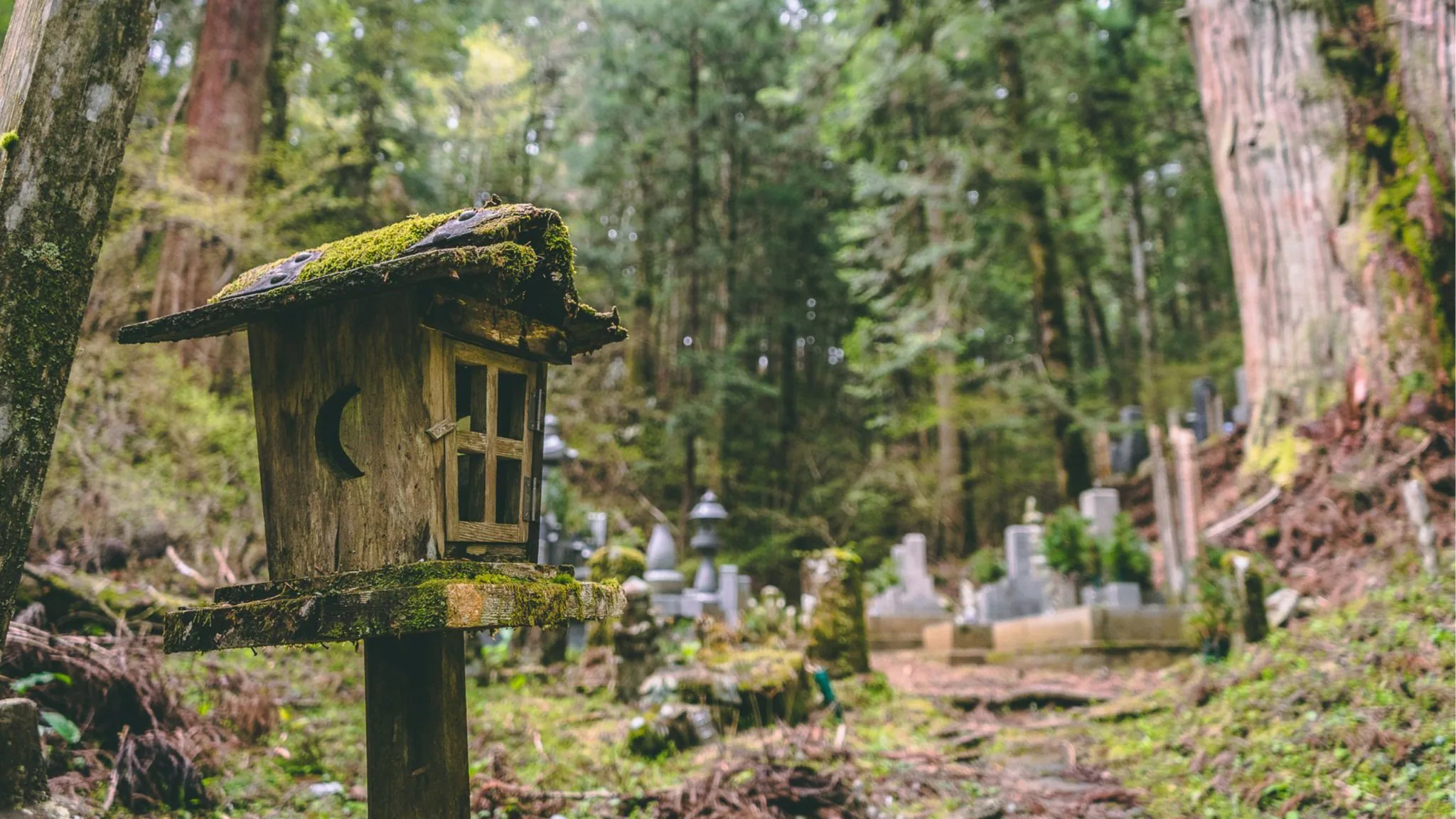
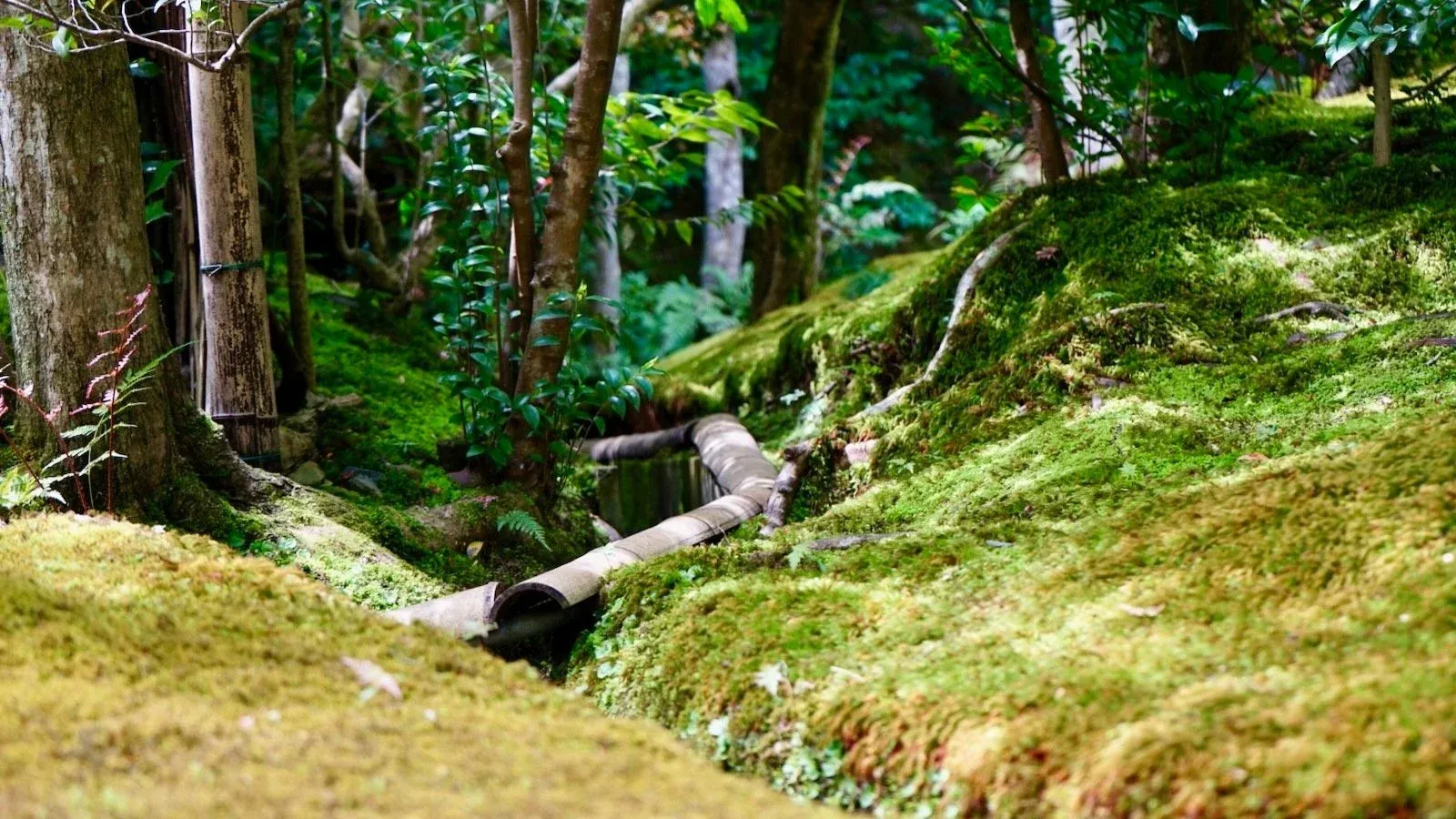
Giou-ji (also written Giouji) is a historic Buddhist temple famous for its serene moss garden, often considered one of the most beautiful in Kyoto. Lush green moss covers the ground among old stone lanterns, creating a tranquil atmosphere that is perfect for meditation and relaxation.
One of the highlights of the visit is the small thatched main hall, rebuilt in 1895. It features traditional Japanese architecture and blends quietly into the moss garden around it.
Giou-ji is also known for its association with Japanese literature: it is linked to the story of Giō, a dancer who retired here as a nun, told in "The Tale of the Heike". Walking among the bamboo nearby, it is also hard not to think of another classic, "The Tale of the Bamboo Cutter", one of Japan's oldest and most beloved folktales.
- STOP 6
The Tale of the Bamboo Cutter
Kaguya-hime, also known as Princess Kaguya or The Tale of the Bamboo Cutter, is a famous Japanese folktale from the Heian period (794–1185 AD). It's beloved for its themes of love, sacrifice, and life's impermanence.
The story revolves around a bamboo cutter, Taketori no Okina, who finds a radiant princess inside a bamboo stalk. Named Kaguya-hime, she rejects her suitors' proposals by setting them impossible tasks. Eventually she reveals her celestial origin and returns to the moon, leaving behind a letter and a robe. You can read more on the The Tale of the Bamboo Cutter Wikipedia page.
In 2013 Studio Ghibli released 'The Tale of the Princess Kaguya', directed by Isao Takahata and based on the folktale. Its animation style, reminiscent of traditional Japanese watercolour paintings, and its exploration of love and identity have earned it widespread acclaim as one of Studio Ghibli's masterpieces. More on the The Tale of the Princess Kaguya) Wikipedia page.
 STOP 7
Saga Toriimoto
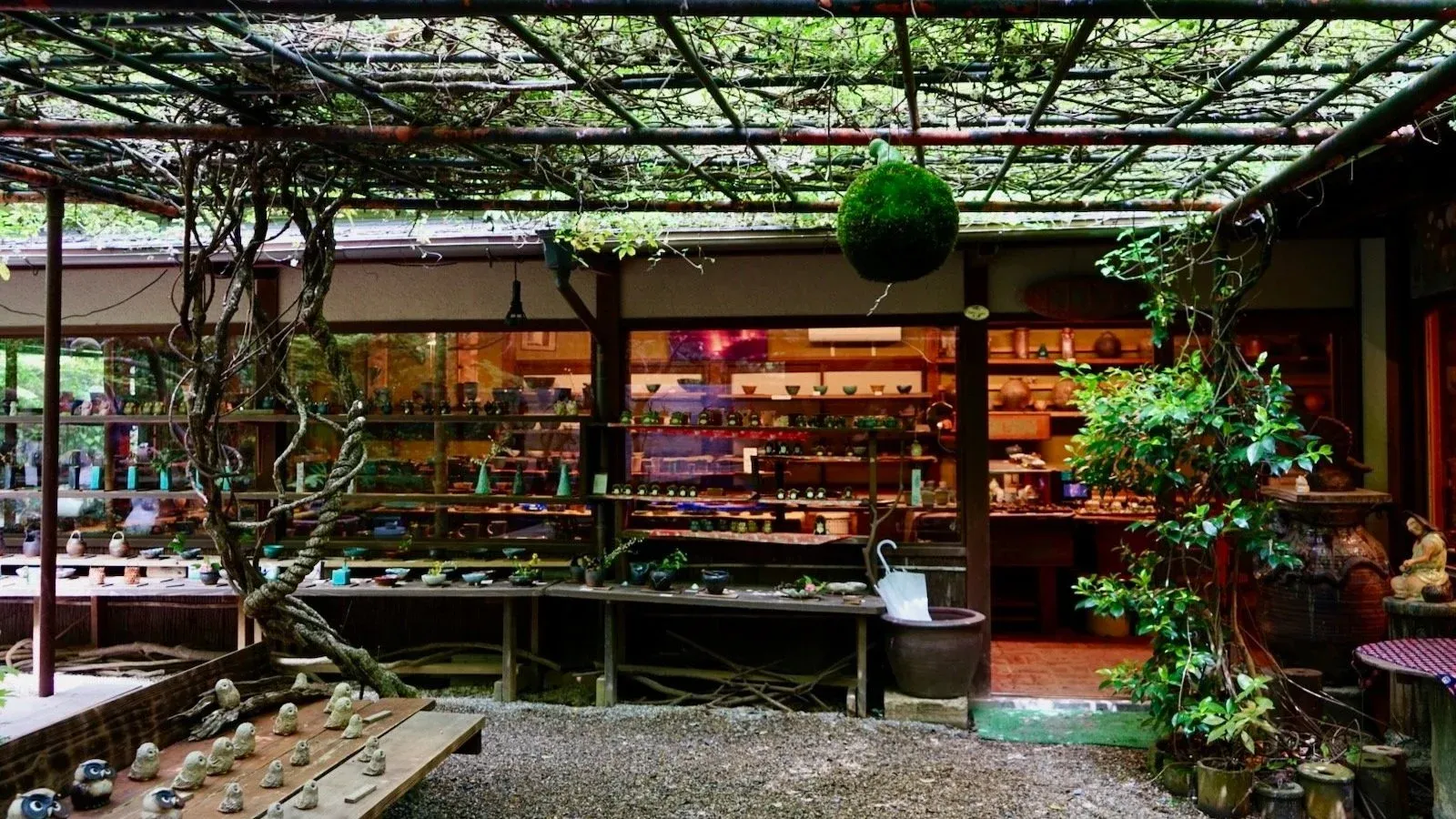
Saga Toriimoto is a small historic village that offers a glimpse into traditional Japanese life. The narrow streets are lined with charming old houses and shops, and the whole area exudes a sense of nostalgia. The village is particularly popular in autumn, when the surrounding mountains are ablaze with fall colours.
 STOP 8
Otagi Nenbutsu-ji Temple
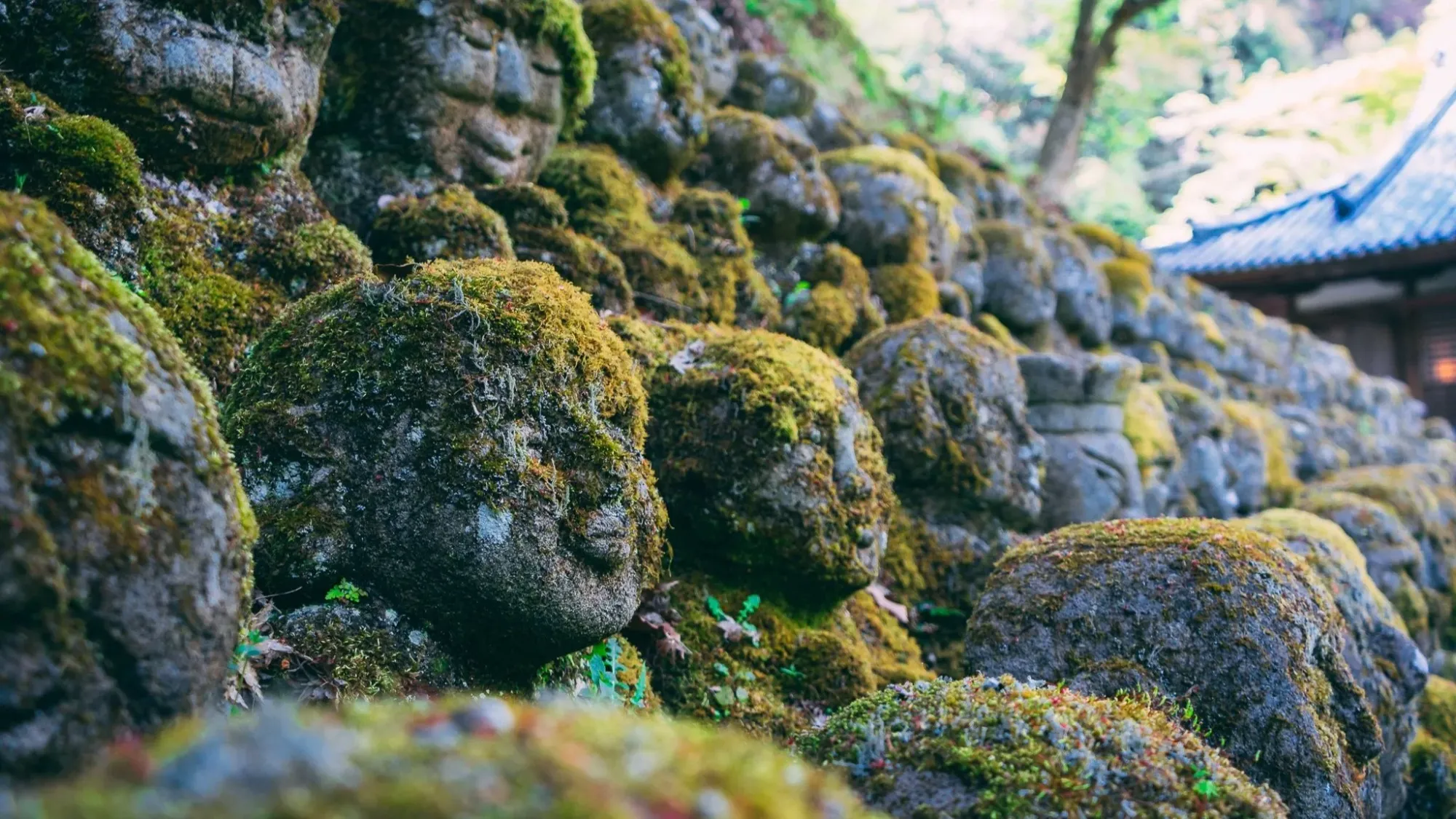
No trip to Arashiyama and Mount Ogura would be complete without a visit to Otagi Nenbutsu-ji Temple, a hidden gem often overlooked by tourists. The temple is famous for its collection of 1,200 stone statues, each with its own unique expression and personality. You can spend hours wandering through the grounds, marvelling at the creativity of the statues.
 STOP 9
Mount Ogura
Next to Arashiyama rises Mount Ogura, a mountain range that beckons hikers and nature lovers. Here you can leave the hustle and bustle of the city behind and lose yourself in the natural world.
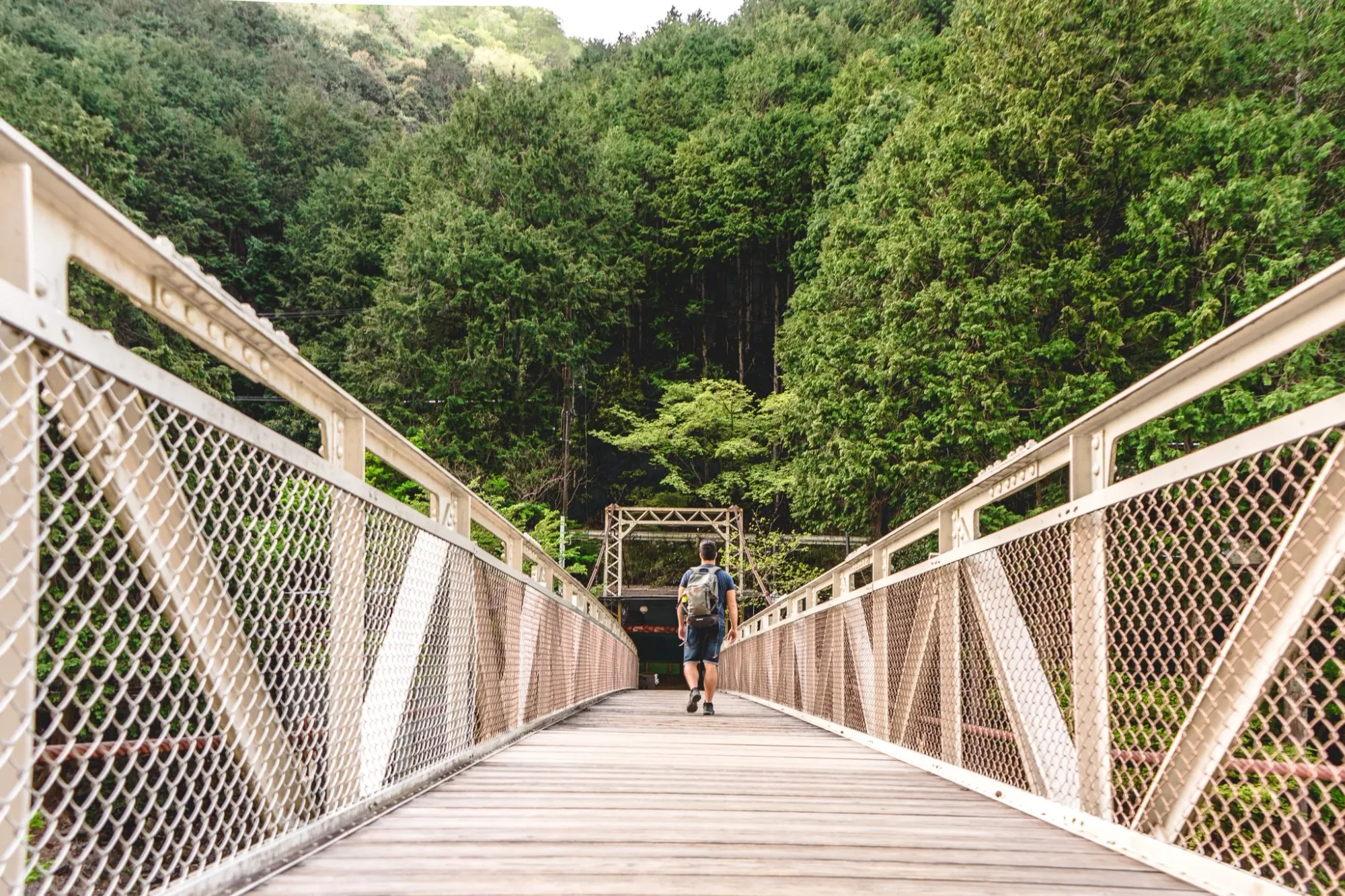
One of the most exhilarating hikes is the trail towards Ochiai, where the Kiyotaki and Hozu rivers meet. As you wind your way up the mountain, the view unfolds before you, revealing panoramas of Kyoto and the surrounding mountains. The air is crisp, and the scent of pine needles and wildflowers fills the air.
 STOP 10
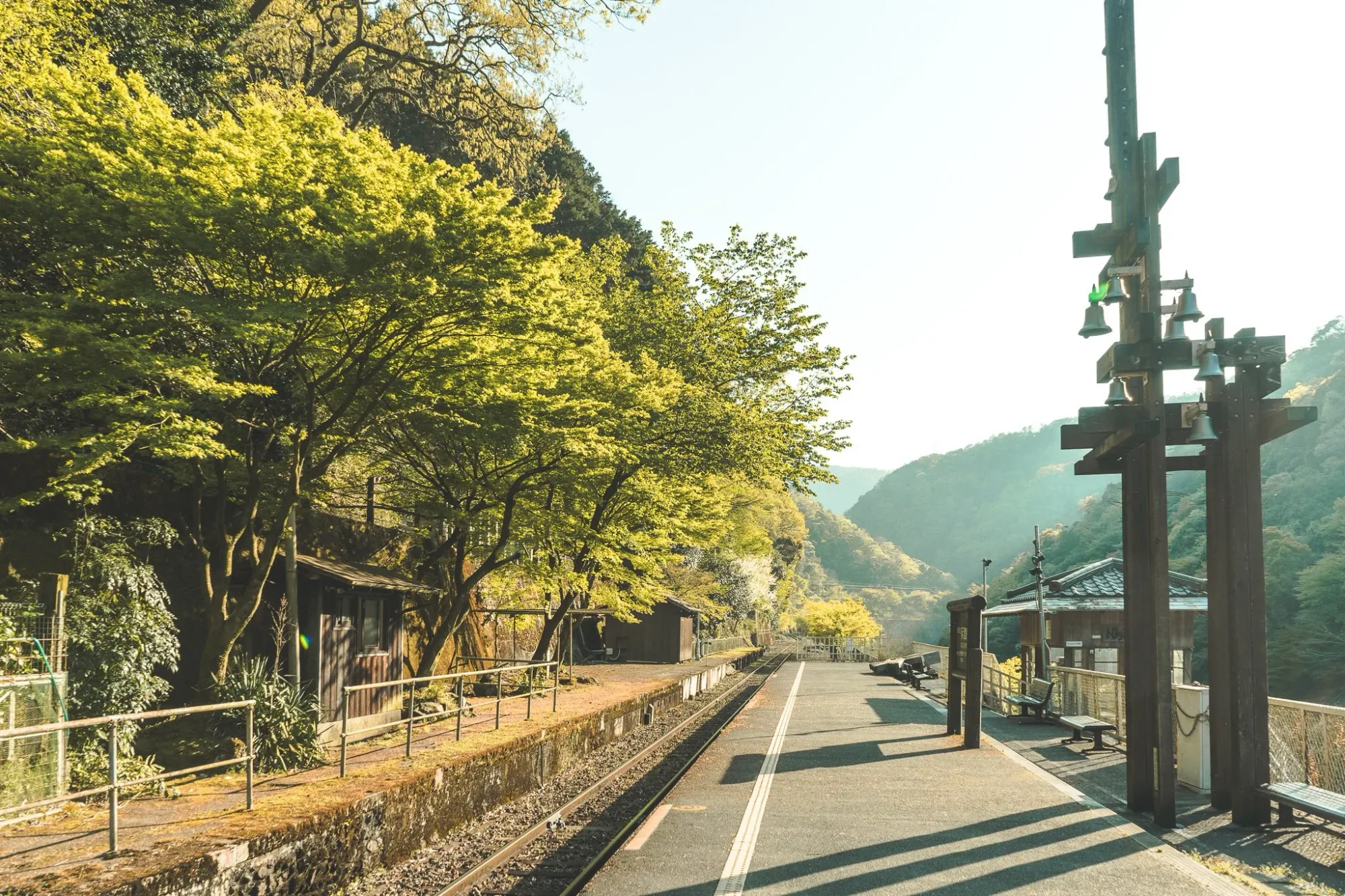
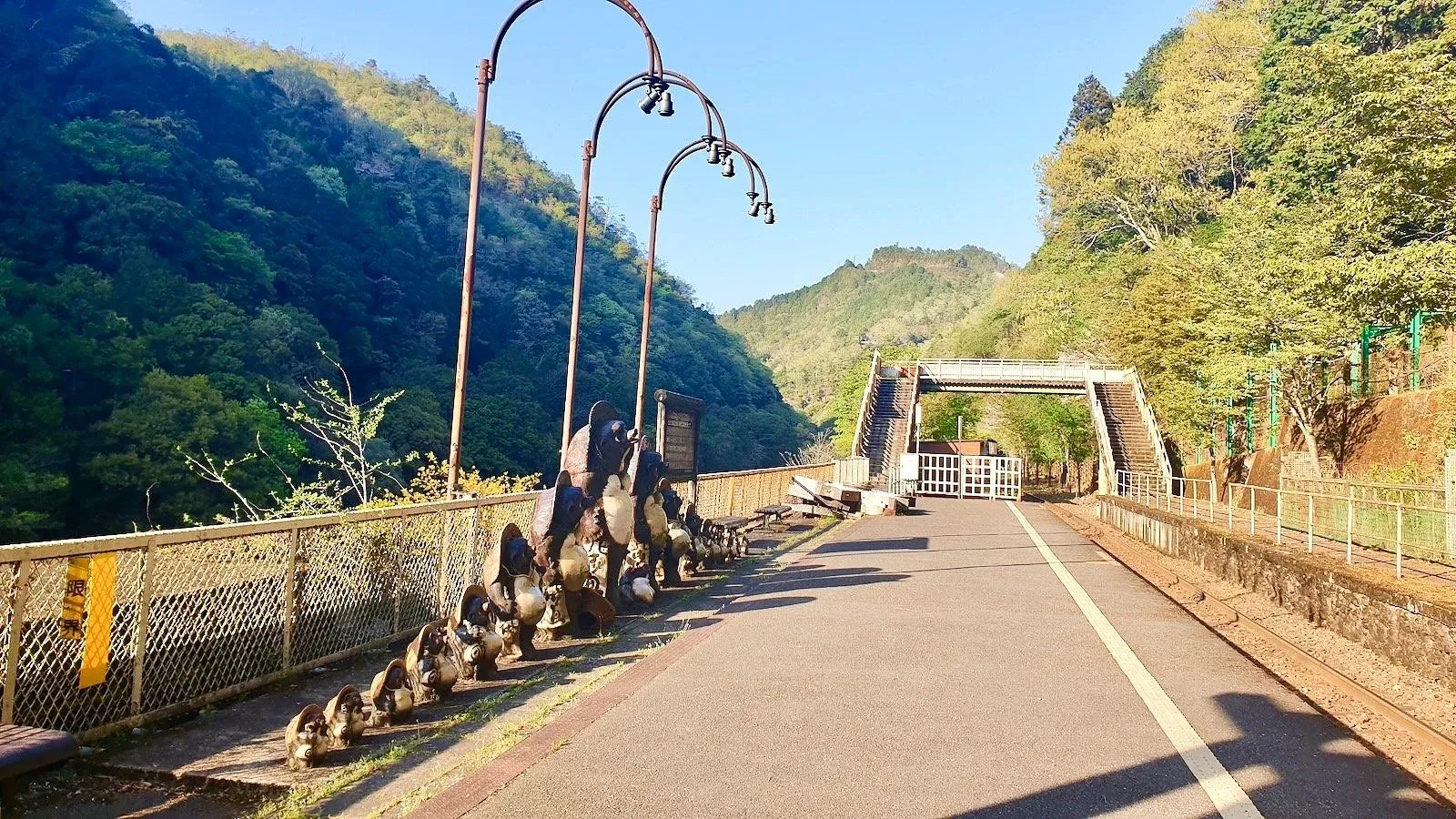
Hozukyo Torokko, the tanuki train station
For a more leisurely way to experience Mount Ogura's beauty, take a ride on the Sagano Scenic Railway. As the train chugs through the mountains, you can watch the landscape change outside the window. In the fall, the trees explode into reds, oranges and yellows, turning the mountainside into a kaleidoscope of colour.
Where to eat
Between Giou-ji Temple and Otagi Nenbutsu-ji Temple, the village of Saga Toriimoto has several restaurants, making it a great place to eat. Tsure-zure, Jurakuan and Azasino are some of the top-reviewed restaurants along the route.
Where to stay
Arashiyama and Mount Ogura make a convenient day trip from Kyoto. Kyoto is connected by rapid train to all major cities in Japan and has good train connections to Saga-Arashiyama Station.
The city offers a wide range of accommodation and restaurants, and makes a good base for other nearby attractions such as Fushimi Inari Taisha, Uji, the rural town of Ohara or Kibune village.
Getting there
Train: one of the most convenient ways is the JR Sagano Line from Kyoto Station to Saga-Arashiyama Station, which takes around 20–25 minutes. From Saga-Arashiyama Station it's a short walk to the bamboo forest.
Bus: several bus routes run from Kyoto Station and other parts of the city centre to Arashiyama. The ride usually takes 40–60 minutes depending on traffic. The closest stop to the bamboo forest is Arashiyama Tenryu-ji-mae.
Taxi or ride-sharing: a more direct and flexible option, but more expensive than the train or bus.
Bicycle: for a more adventurous and scenic option, rent a bike and ride from the city centre to Arashiyama. It takes around 40–50 minutes, depending on your speed and route.
Whichever you choose, once in Arashiyama follow the signs to the bamboo forest. The entrance is easily reached on foot from the main street; from there, keep following the old road that takes you to the places on this itinerary.
When travelling in Asia, we recommend 12go for searching and booking public transport, and Google Maps for navigation. Buying tickets directly at the stations is also a good option. If you are flying in, Osaka is the most convenient airport for Kyoto.
Is it worth visiting?
Arashiyama and Mount Ogura offer a unique blend of natural beauty and cultural treasures, making them a must-visit for anyone travelling to Kyoto.
Whether you're walking through the Bamboo Forest, exploring the moss garden of Giou-ji, wandering through the historic village of Saga Toriimoto or marvelling at the stone statues of Otagi Nenbutsu-ji, you're sure to find something that leaves a lasting impression. Take a deep breath and immerse yourself in the tranquility of Arashiyama and Mount Ogura.