- How long
- 2–3 days
- From Ponta Delgada
- 35 min by car
- Must eat
- Cozido das Furnas
- Camellias
- December–May
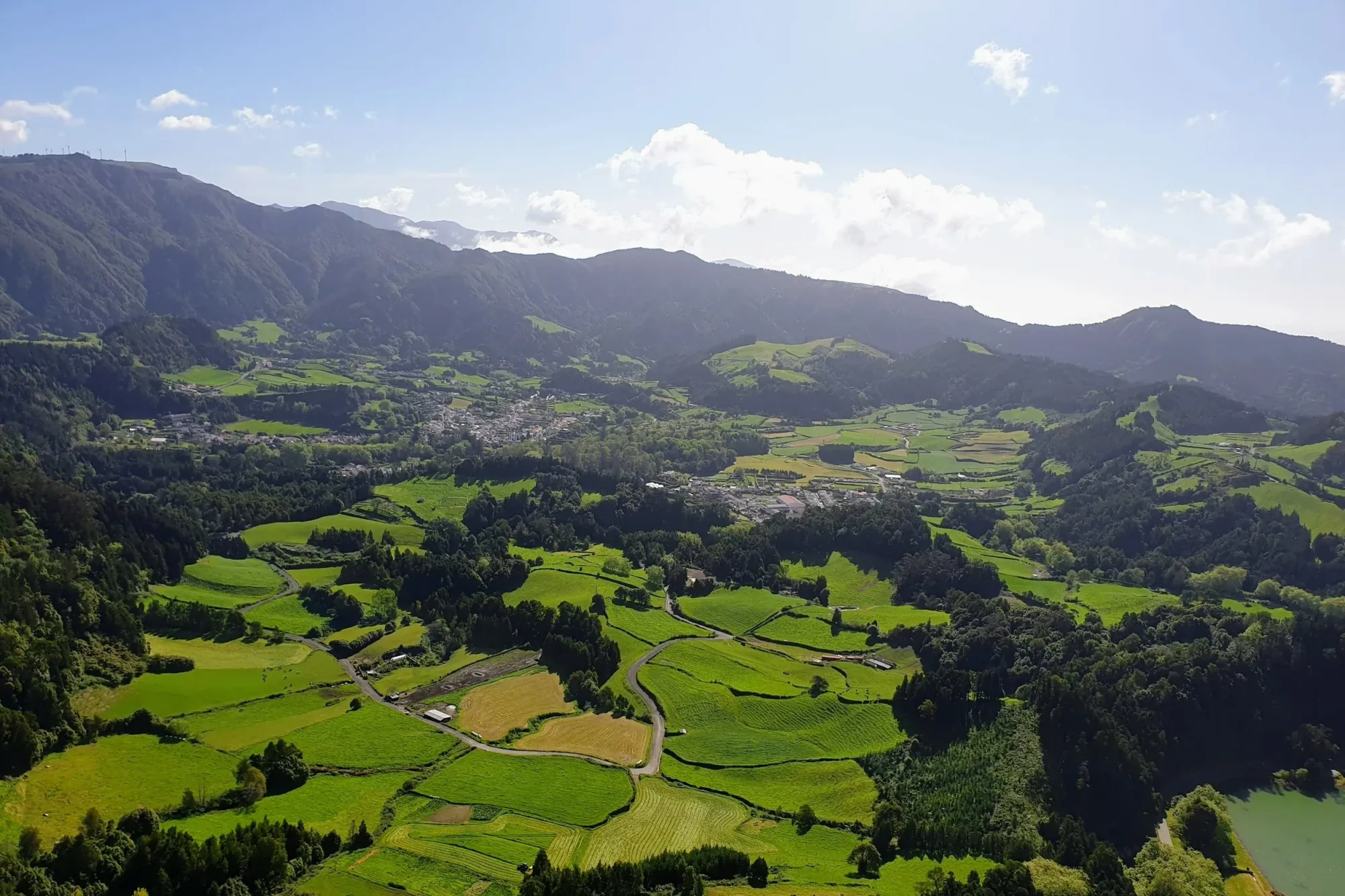
Furnas is a picturesque thermal village in the heart of São Miguel, the largest island in the Azores. It is renowned for its stunning natural beauty, with lush green landscapes, volcanic hot springs and vibrant botanical gardens. Its abundant geothermal activity is evident in the steaming fumaroles and natural geysers that shape the landscape.
This is one of the most intriguing and unique places to visit on São Miguel, so follow our guide to make sure you don't miss the top things to do in this remarkable region.
“Arriving at the lake around midday, you can watch local eateries retrieve the cozido directly from the earth.”
What to see
 STOP 1
Furnas Boilers (Caldeiras das Furnas)
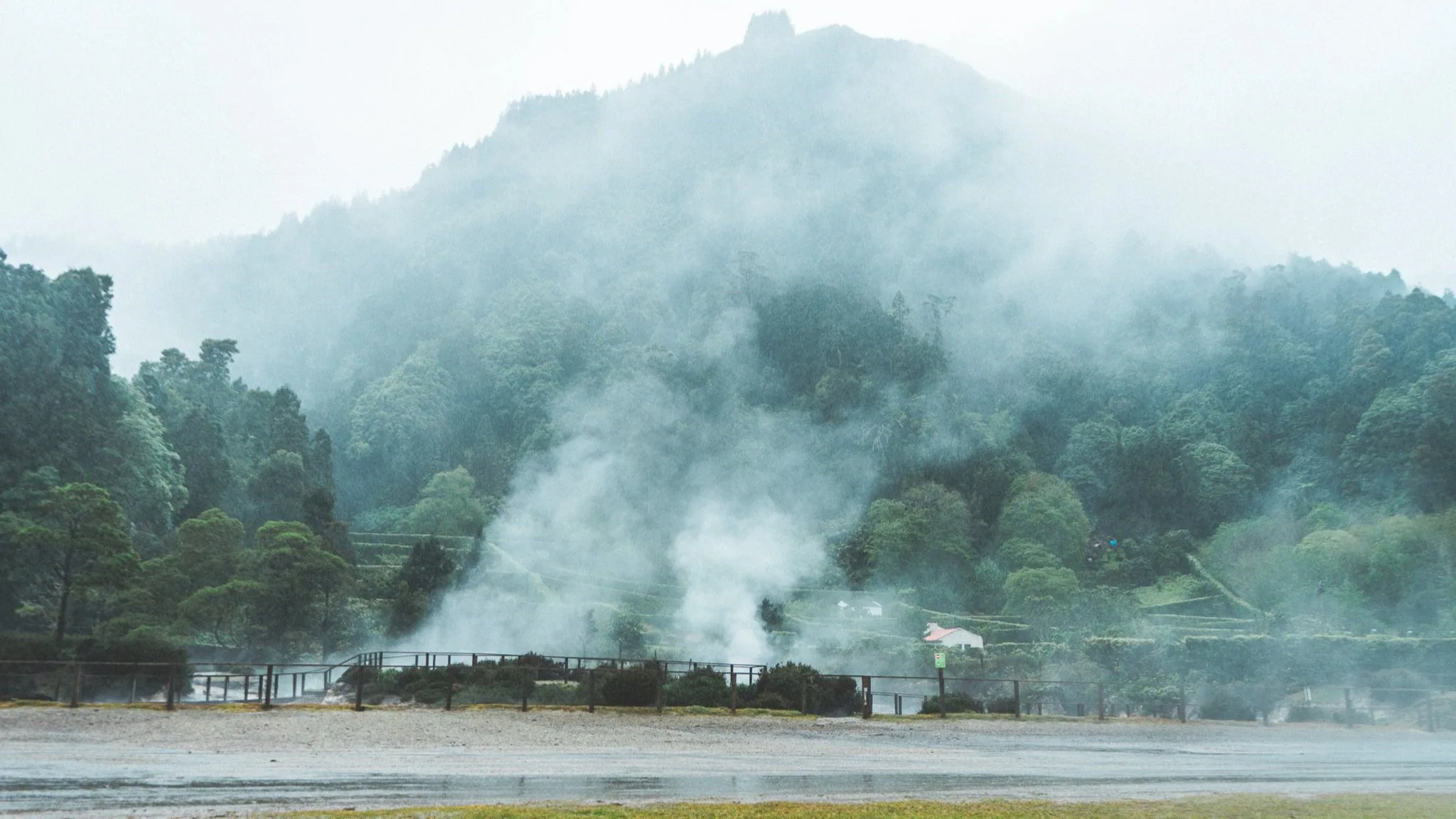
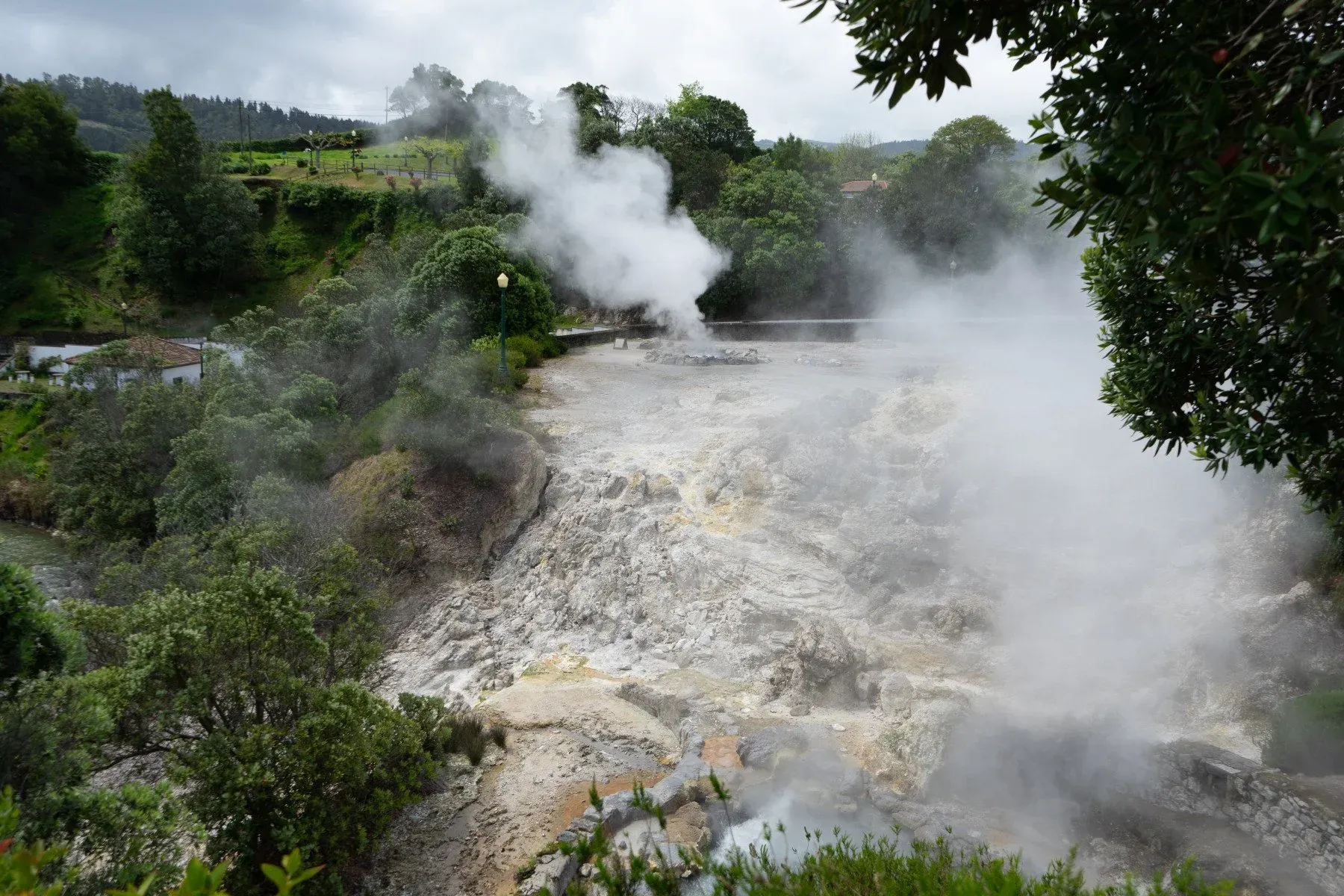
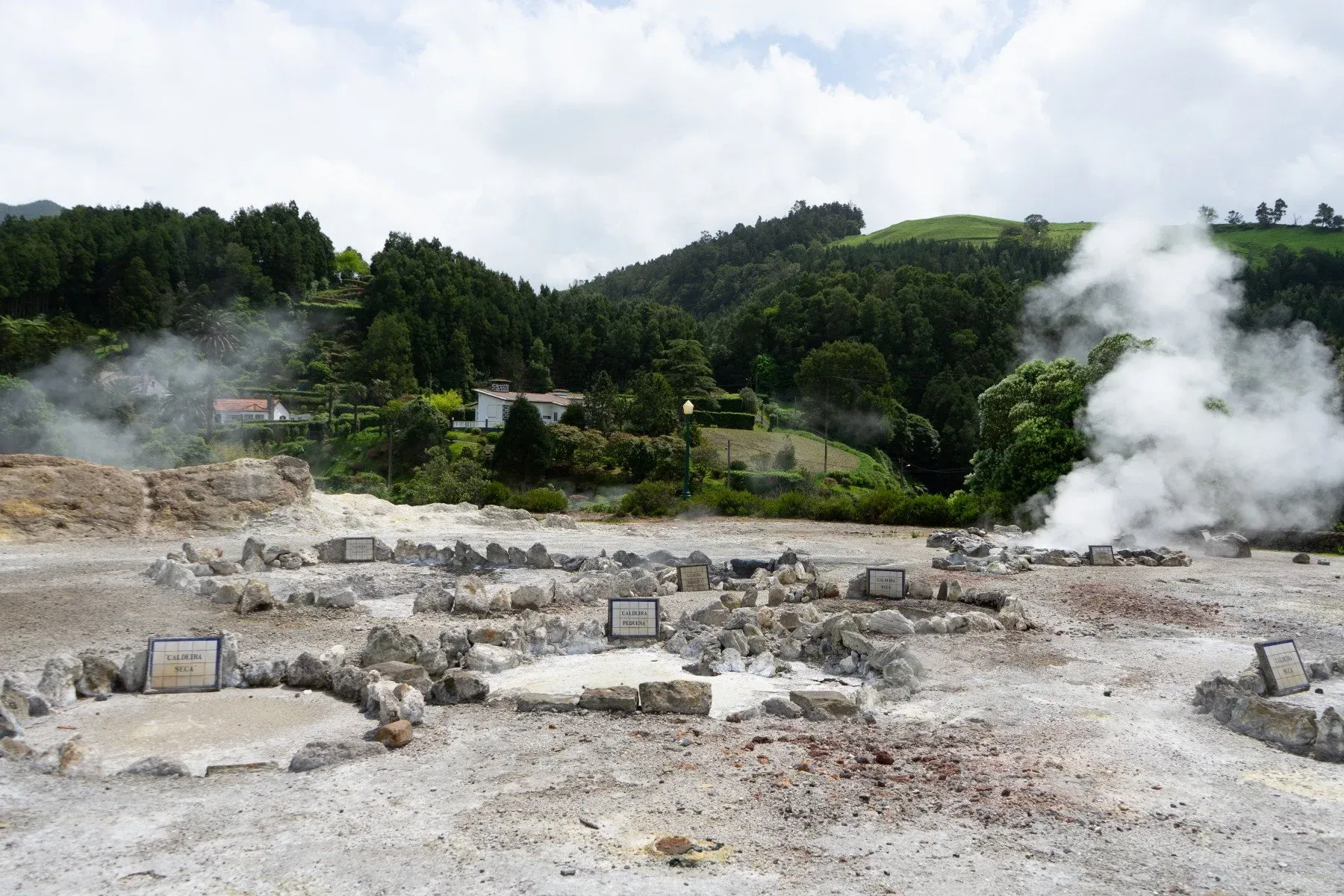
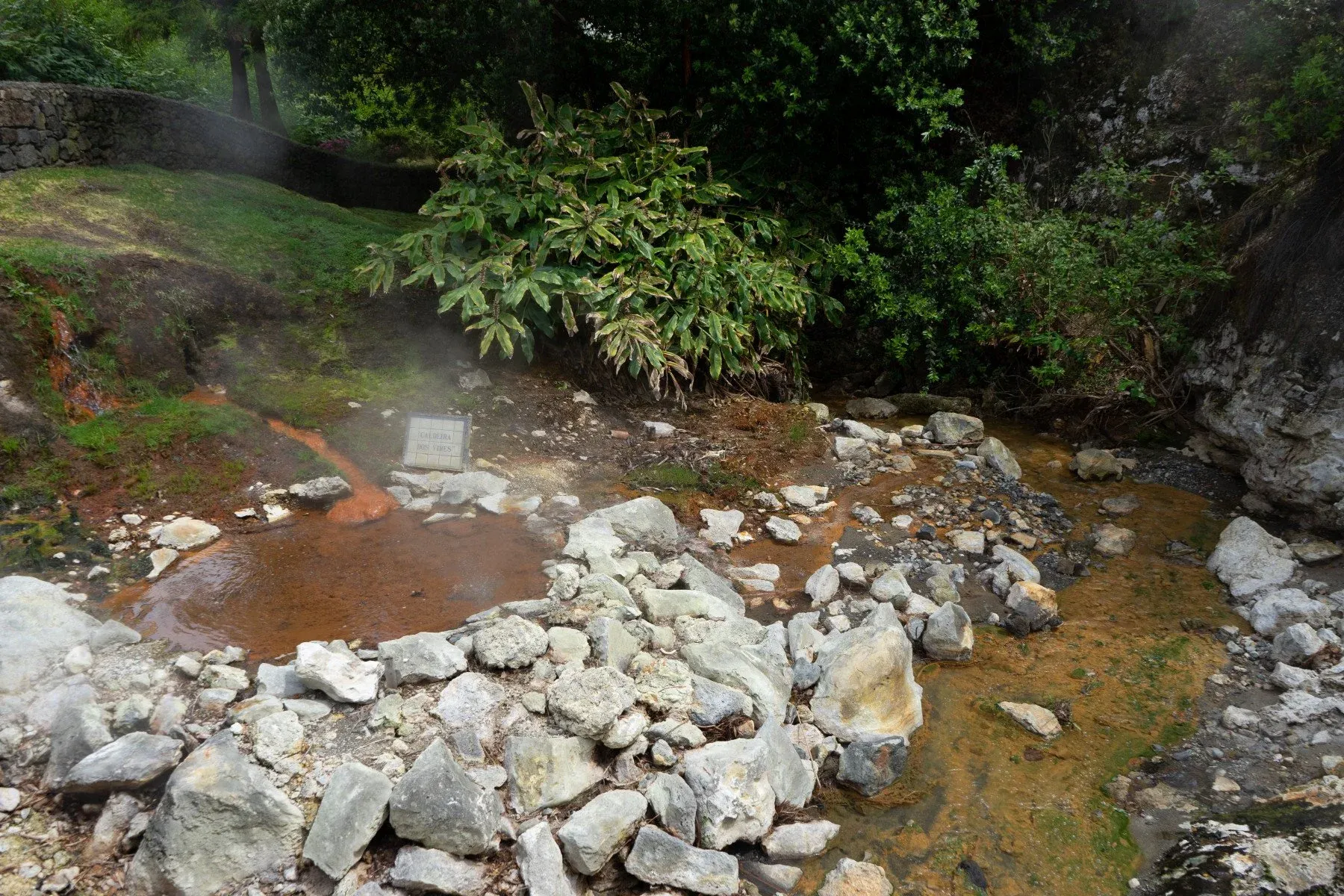
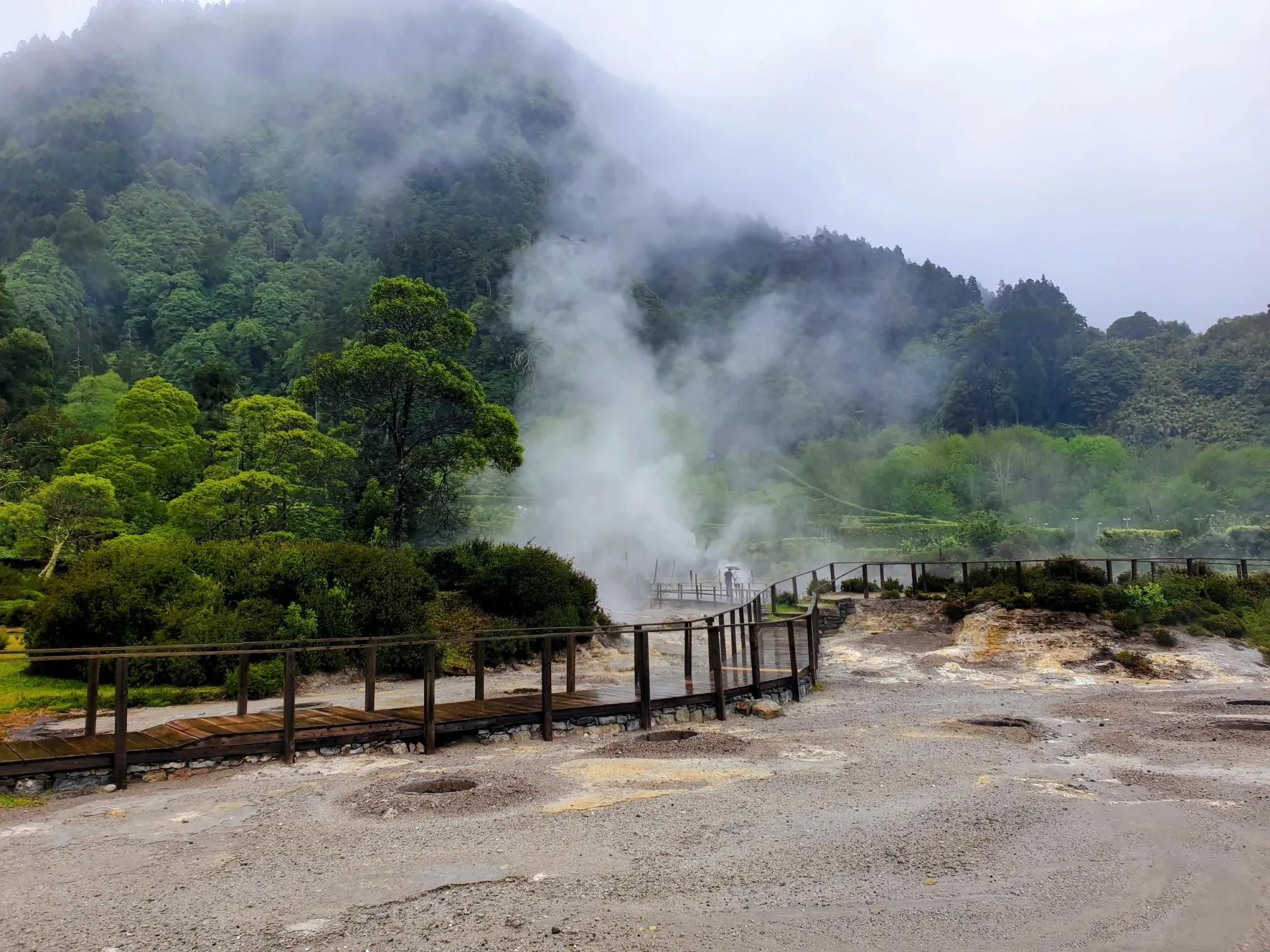
In the middle of Furnas lies a spectacular display of volcanic activity, with numerous boilers and geysers that emerged after the collapse of a volcanic cone in 1630. The magma, just beneath the earth's crust, heats small rainwater ponds to temperatures between 70 and 100 °C. These steaming ponds are scattered throughout Courela Garden (Jardim da Courela), releasing sulphuric vapours that create a surreal vista known as the Enchanted Valley (Vale Encantado).
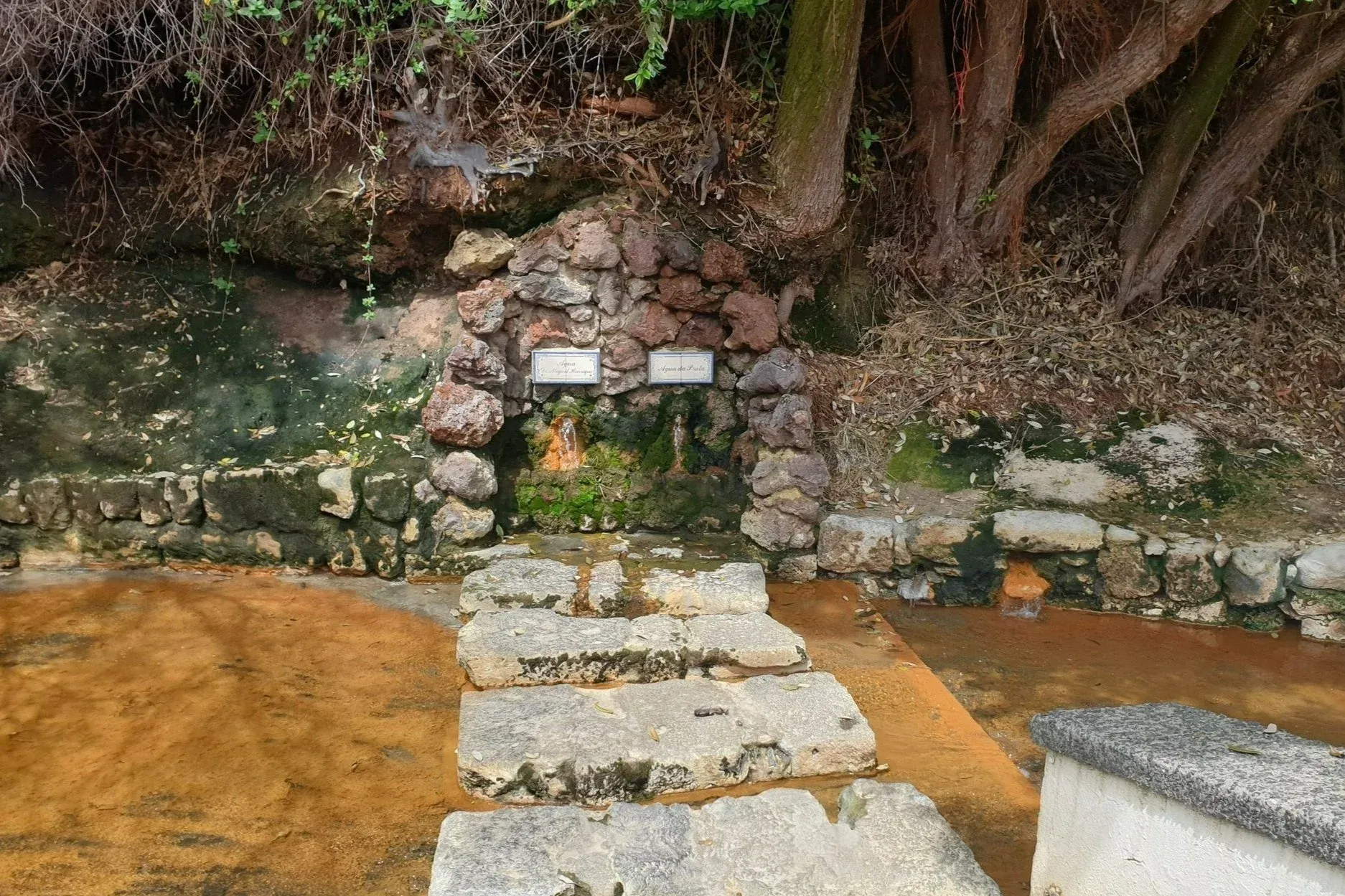
You can sample the volcanic therapeutic waters from two distinct springs within the garden. Side by side, they offer a stark contrast: Doctor Miguel Henriques' spring gushes hot water with a strong, fuel-like taste, while the Prata's Water (Água da Prata) spring is a source of cold, effervescent water.
 STOP 2
Furnas Lake (Lagoa das Furnas)
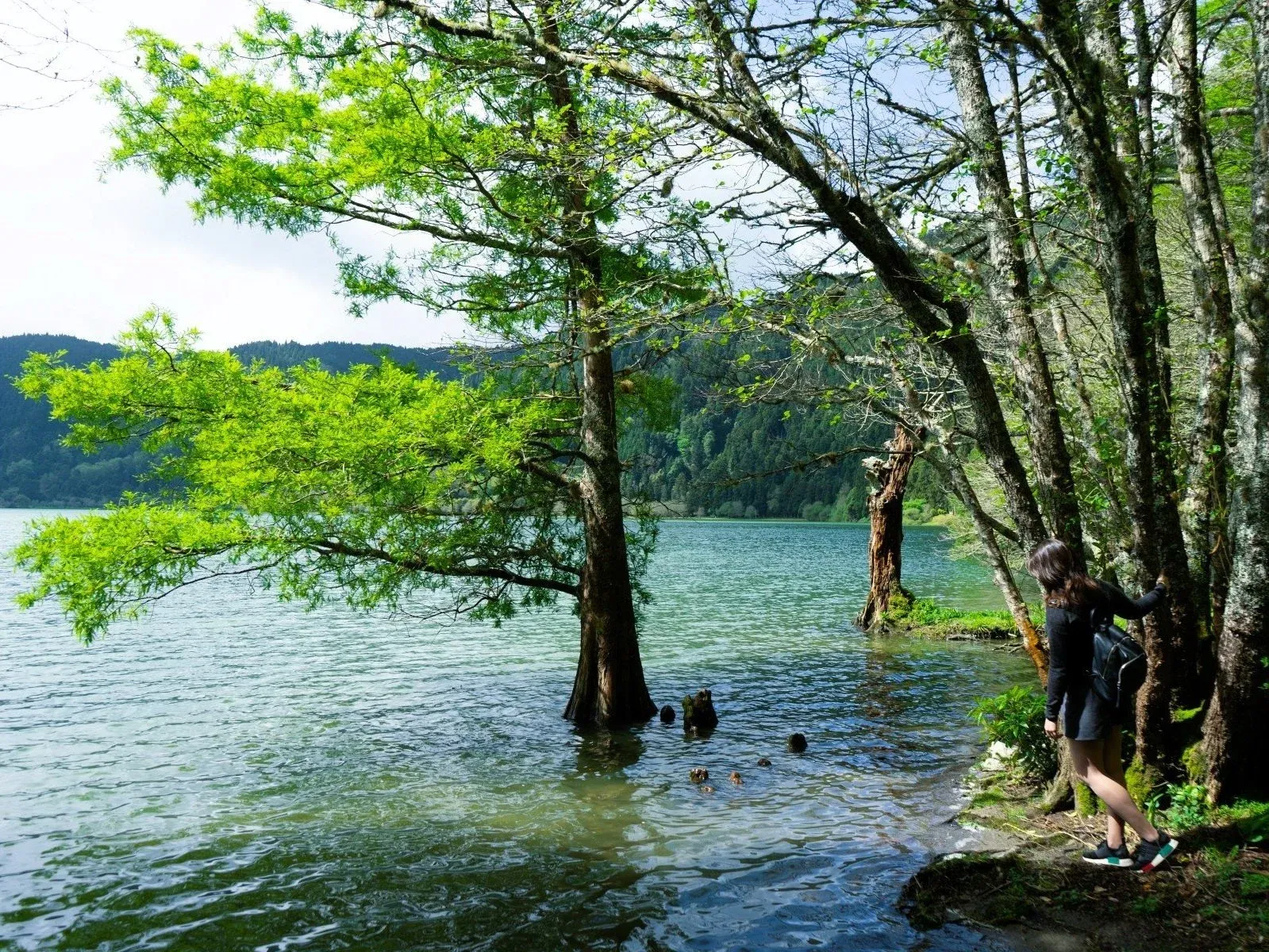
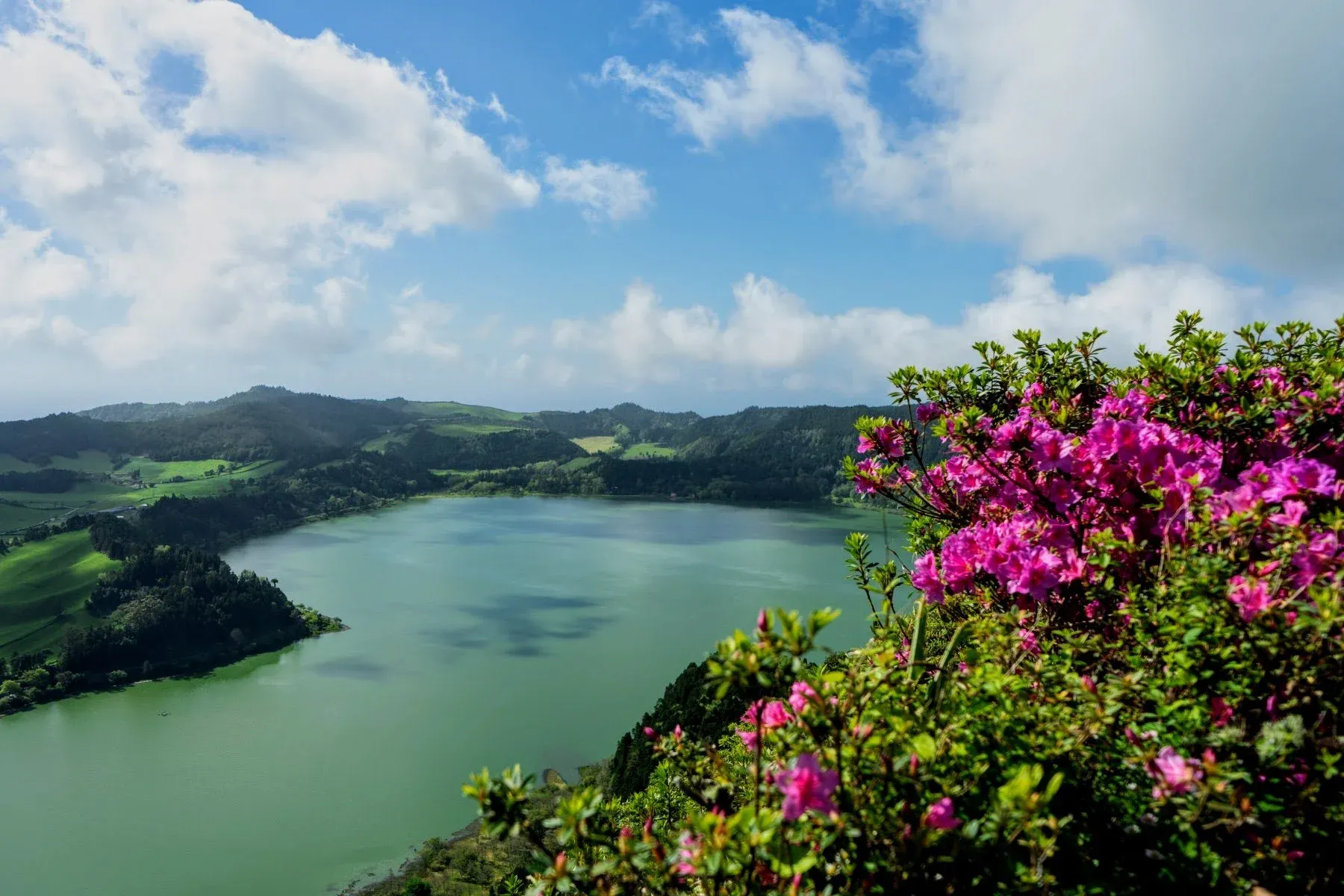
Furnas Lake, set in a volcanic crater and embraced by verdant forests, is a must-visit. You can stroll leisurely around its perimeter, have a relaxing picnic, or go kayaking or paddle boating on its tranquil waters.
The lake's edge is graced by a stunning secondary boiler, which fills the air with volcanic fumes and colours the gnarled tree trunks in vibrant orange tones. This mesmerising landscape leaves a lasting impression on anyone who takes the time to explore it.
It is here that the Azores' most renowned dish is prepared using the geothermal heat of the ground: the Cozido das Furnas. Arriving at the lake around midday, you can watch local eateries retrieve this unique dish directly from the earth, a testament to the island's vibrant culinary tradition.
 STOP 3
Mata Jardim José do Canto
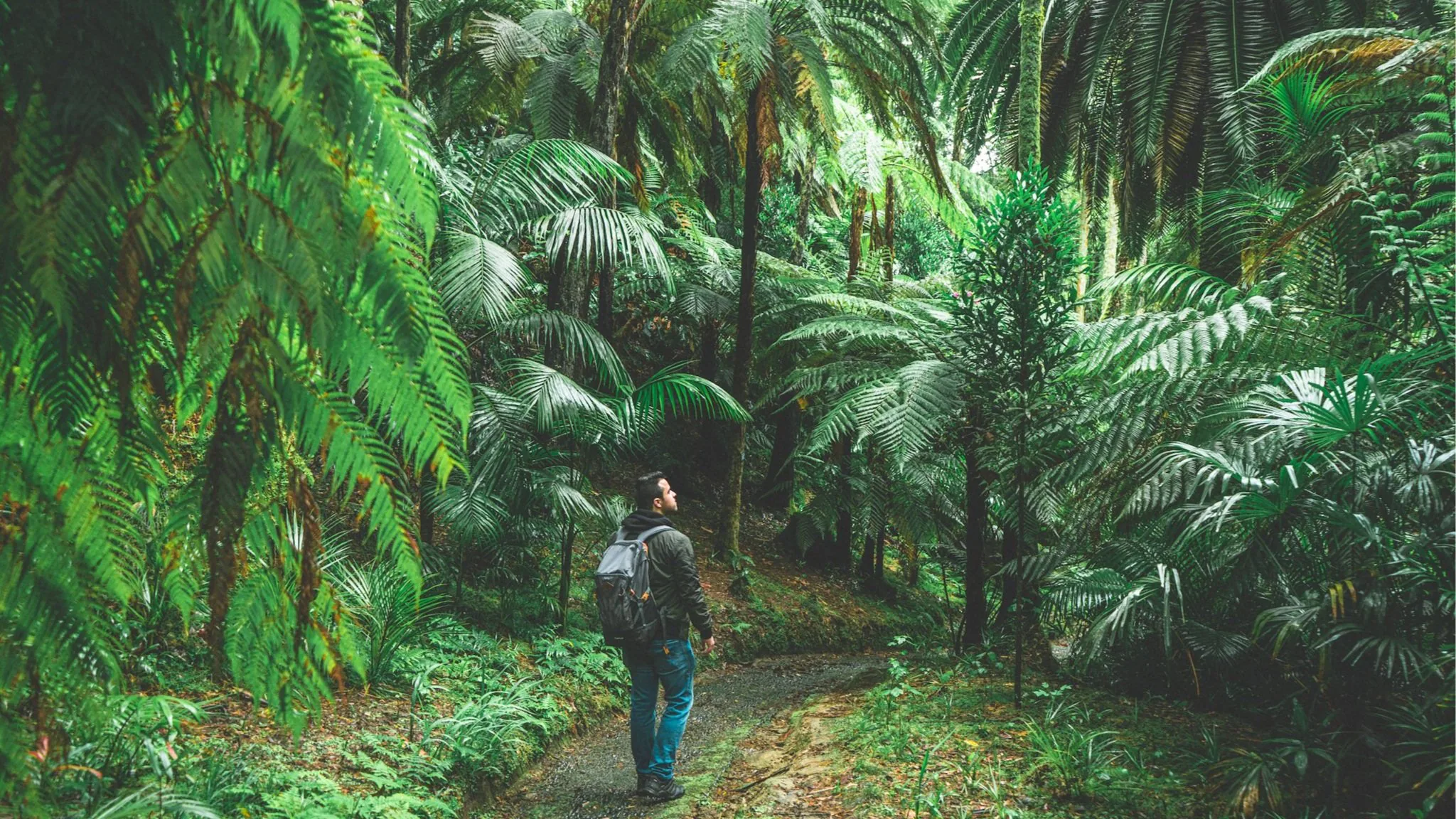
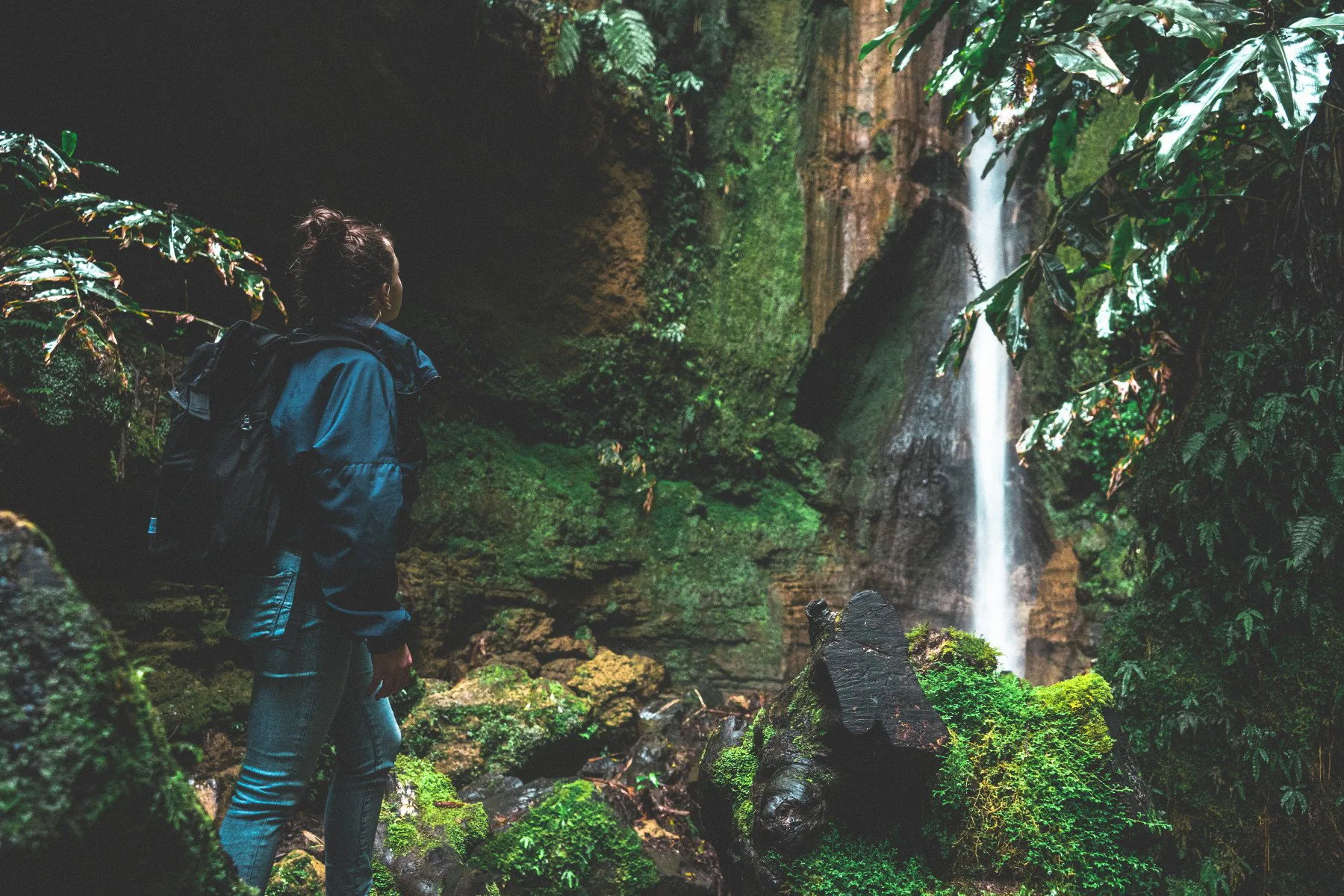
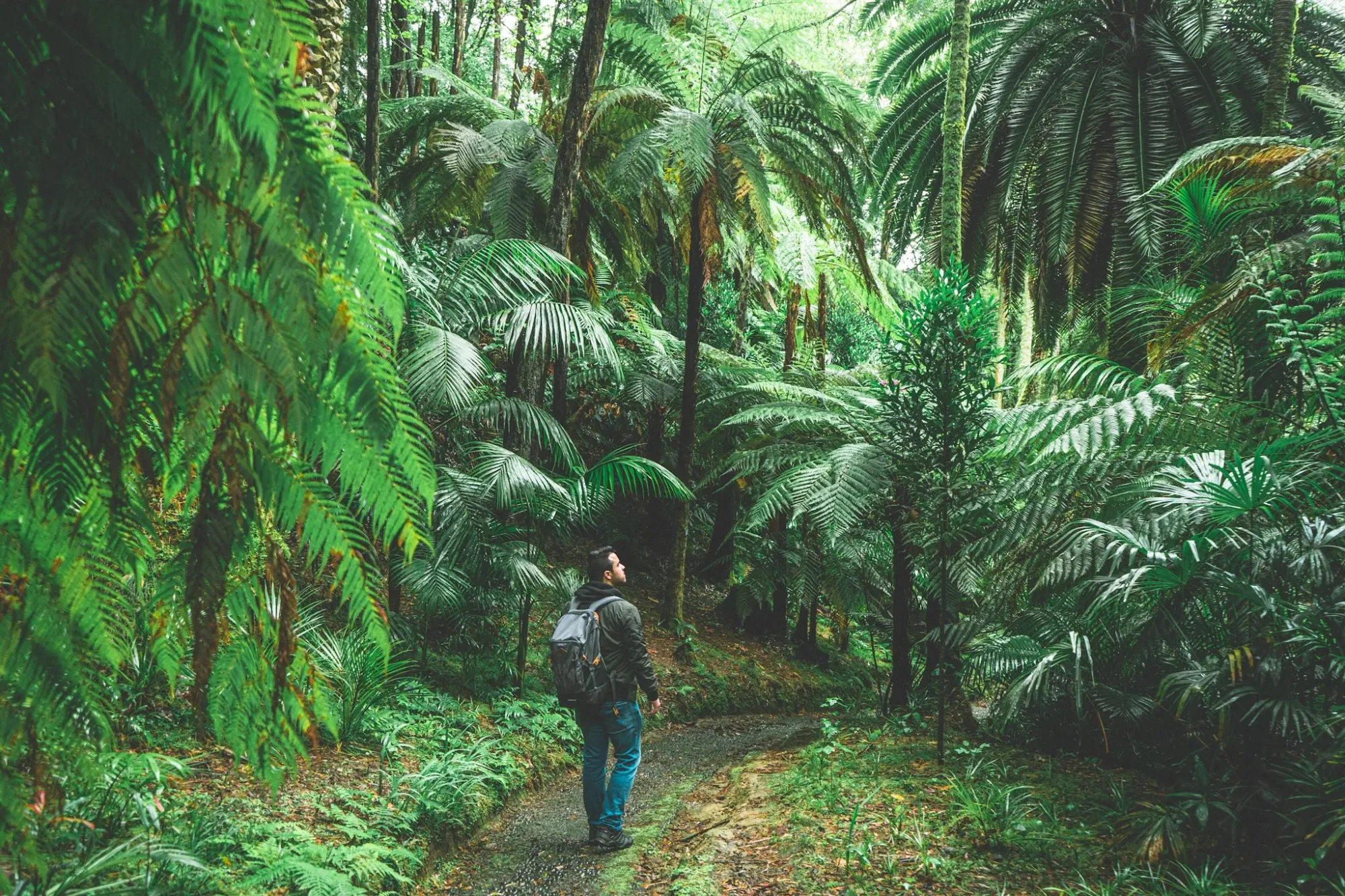
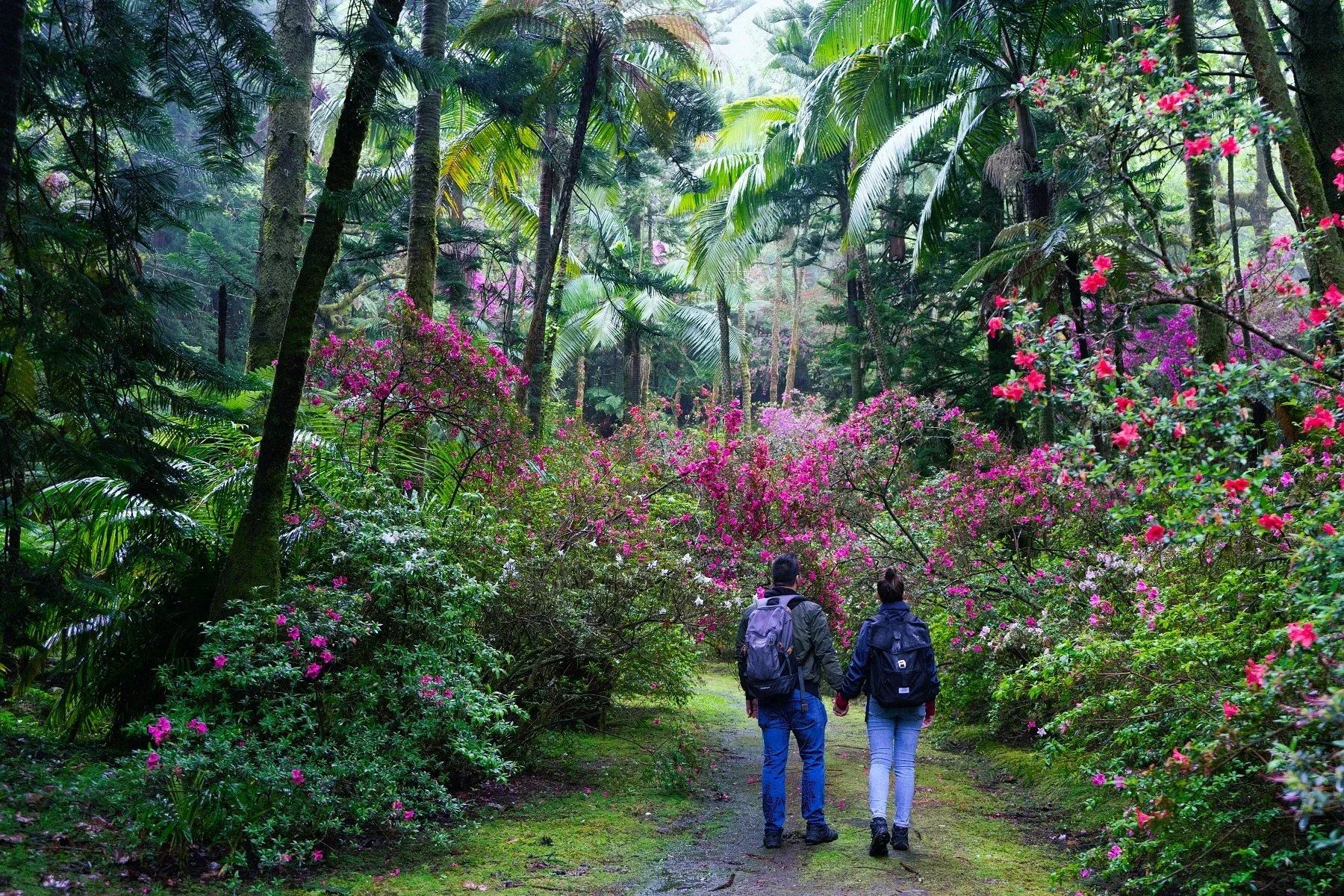
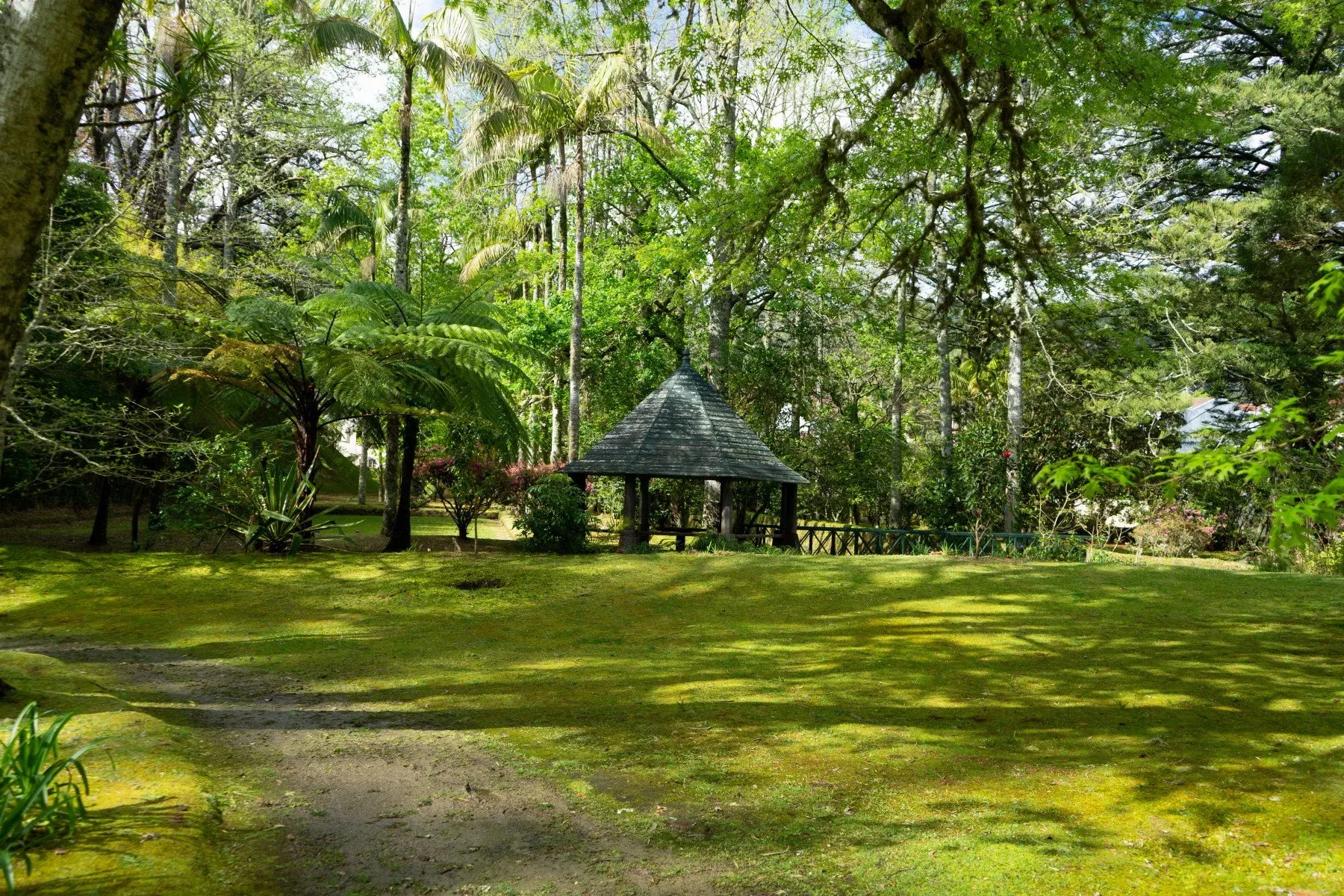
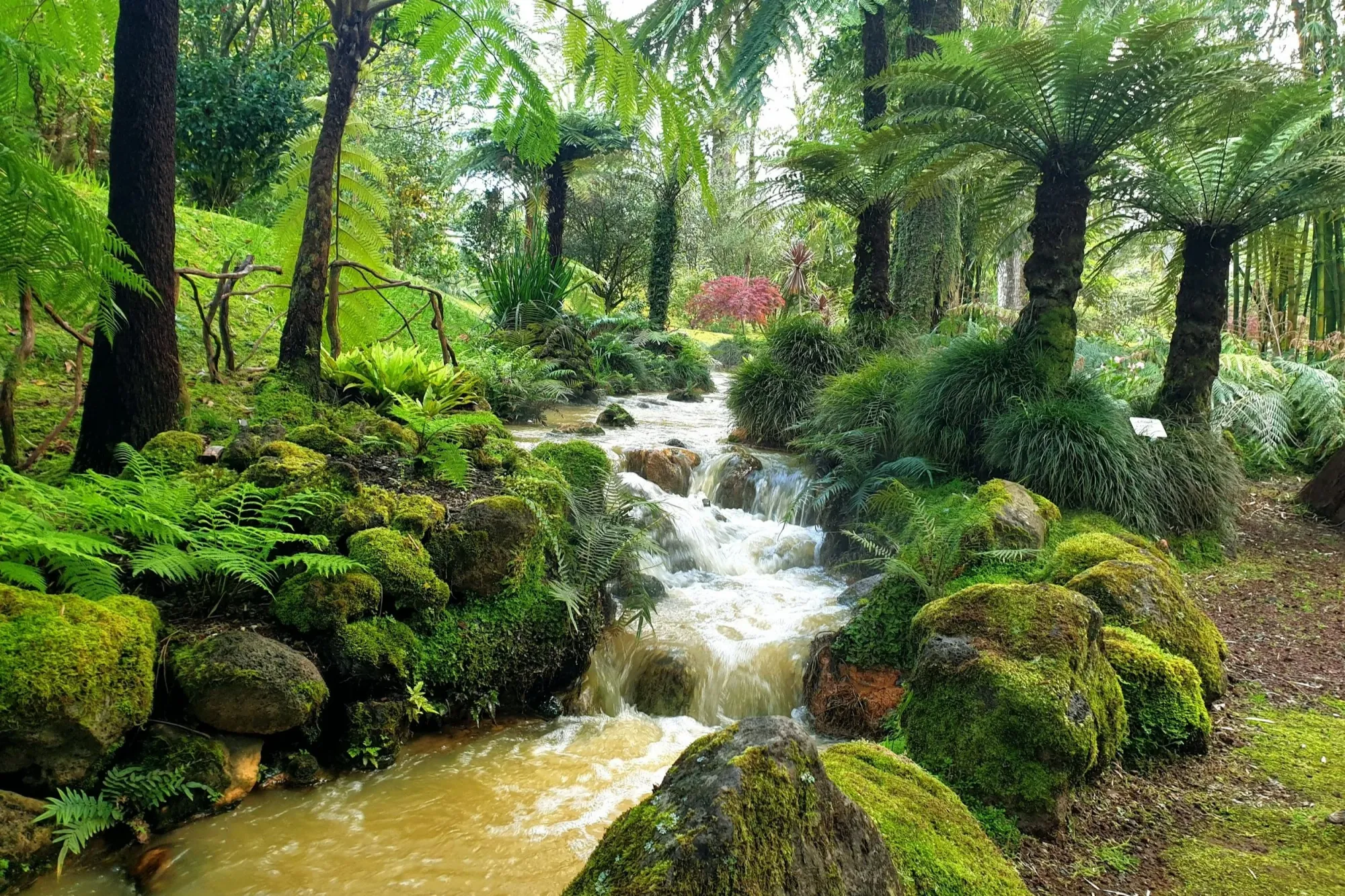
South of Furnas Lake, the splendid Mata Jardim José do Canto is a historic botanical garden with over 2,000 plant species, showcasing rare and exotic plants from across the globe alongside native Azorean flora. Meandering paths lead through various themed areas, including the tranquil bamboo forest, the lush fern garden and an extensive collection of centenary camellias.
A scenic 3.5 km hiking trail connects the fern garden to one of the highlights, the Rosal Jump (Salto do Rosal), where crystalline water cascades down a strikingly vertical natural wall onto the tranquil forest floor.
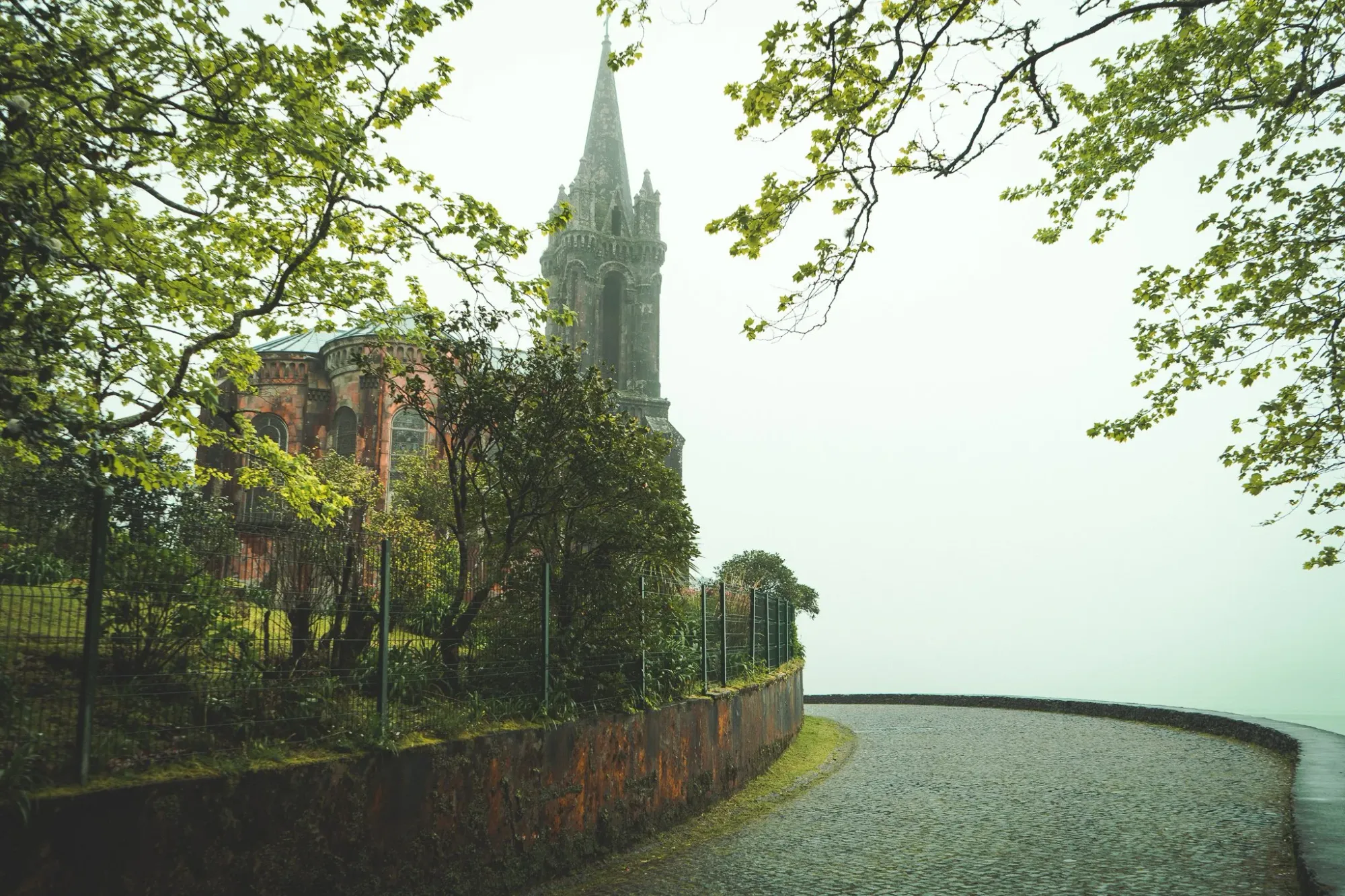
The garden also houses the Chapel of Our Lady of Victories, a 19th-century church known for its intricate Neo-Gothic architecture and exquisite stained-glass windows, making this a perfect blend of nature and history.
Opening times: 09:00–17:00 in winter (October to March) and 09:00–19:00 in summer (April to September).
Prices: €4 per person over 12 years old; €2 for seniors (65+) and children aged 8 to 12; free for children under 8.
 STOP 4
Pico do Ferro viewpoint
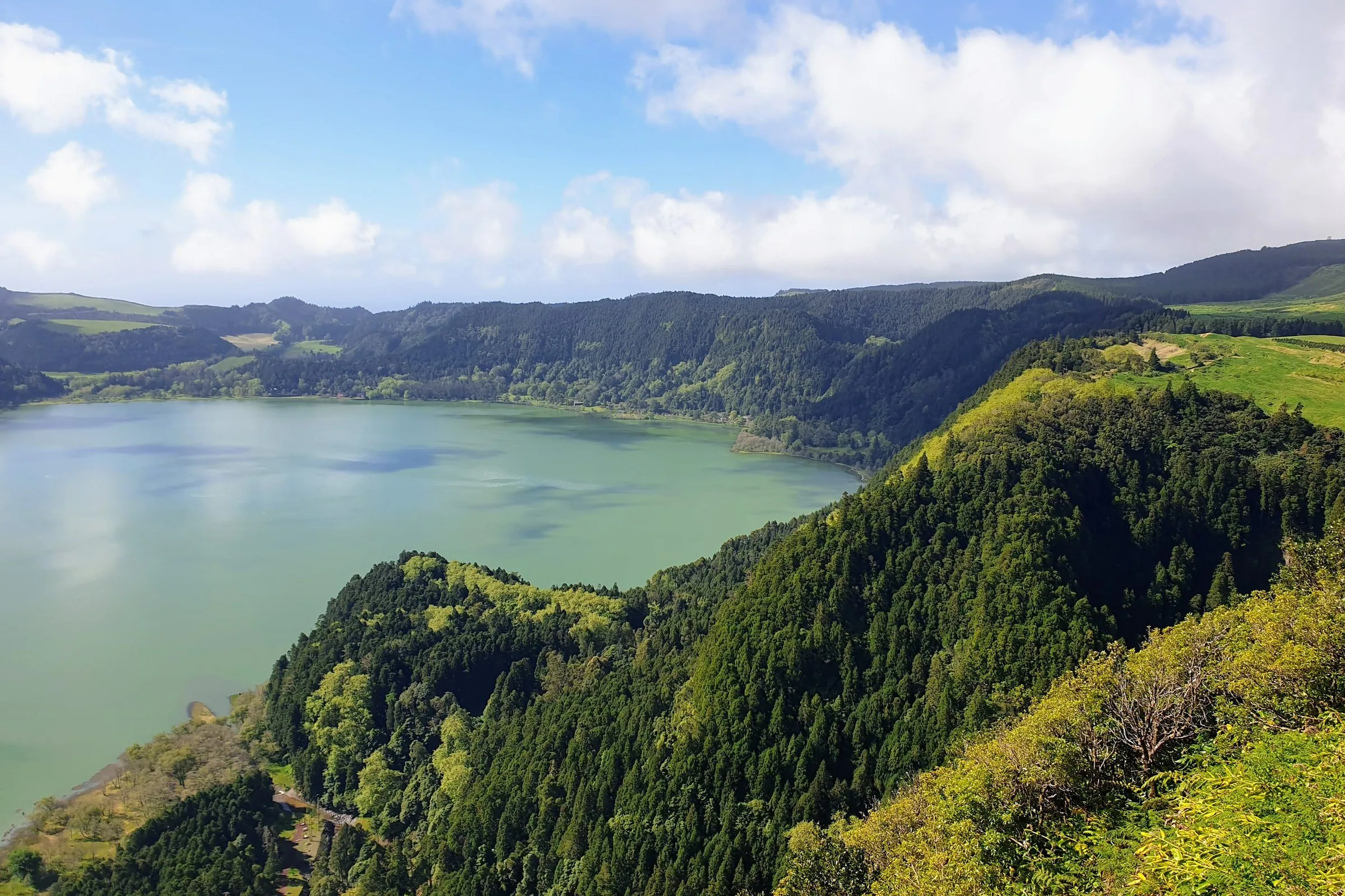
Pico do Ferro offers one of the most captivating views in all of the Azores. The viewpoint overlooks the tranquil Furnas Lake, where the volcanic cone's landscape is reflected in the water, while the fumes rising from the Caldeiras das Furnas (also known as the Fumarolas) fill the air with mist and create an otherworldly atmosphere.
For hikers, Furnas is a paradise. The Pico do Ferro trail (PRC22 SMI) is a short, relatively easy path that takes about 3 hours. Starting at Grená Park on the northern edge of Furnas Lake, this circular route offers stunning views of the Furnas Valley.
If you're feeling adventurous, Grená Park offers more than hiking: explore hidden waterfalls, rent kayaks or bikes, and immerse yourself in the natural beauty of this Azorean gem. There's an entry fee of €10 per person (children under 5 go free).
 STOP 5
The hot springs of Terra Nostra Park
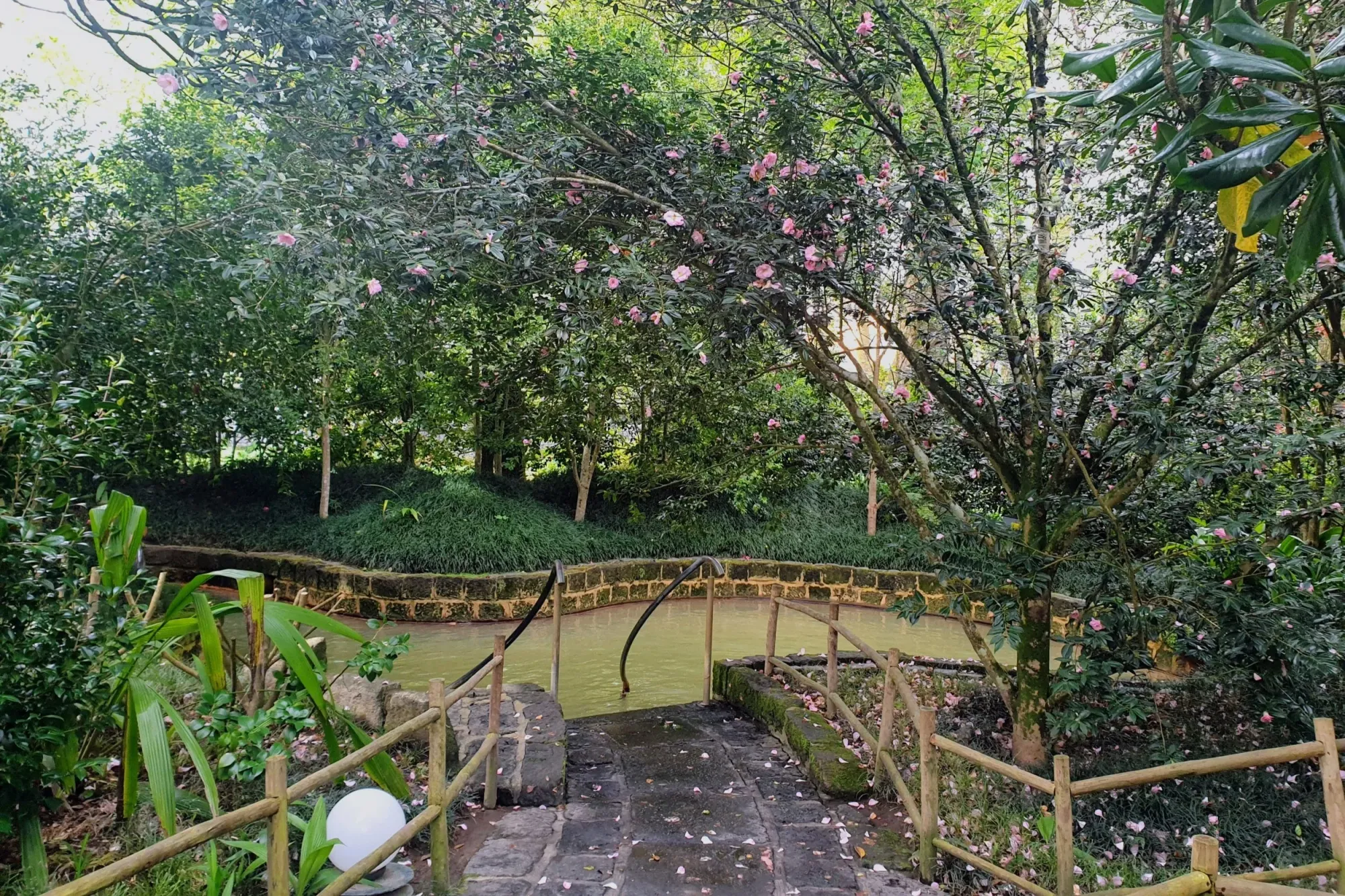
The highlight of the Furnas experience is its outdoor thermal pools, surrounded by lush forests and gardens. The main options are Poça da Dona Beija and Terra Nostra Park.
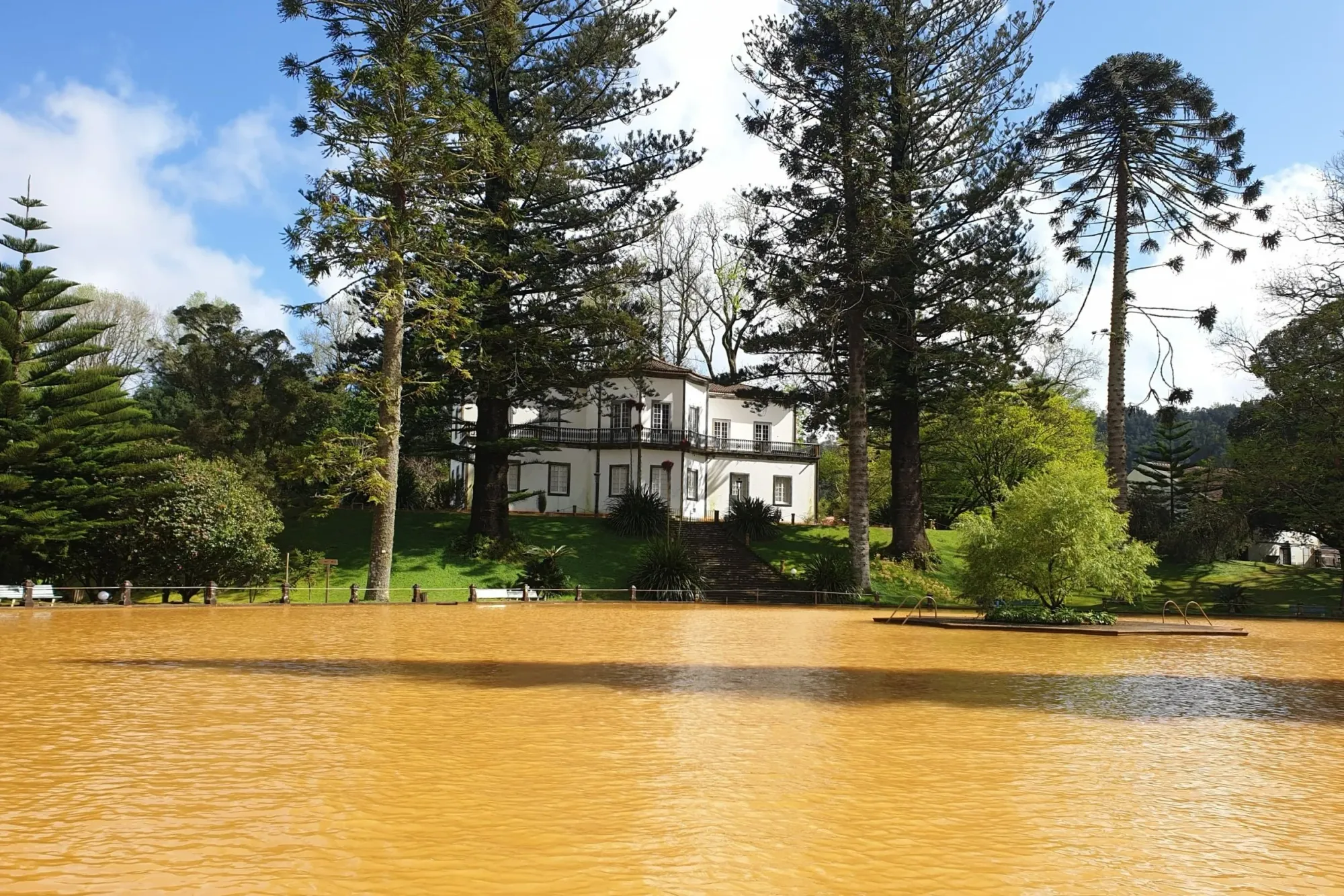
Terra Nostra Park stands out for its expansive grounds and magnificent main pool. This botanical garden, established in 1775, features an impressive variety of rare and exotic plants, including Ginkgo biloba and a collection of over 600 different camellia species. Iron-rich water flows gently through the gardens in meandering streams at a soothing 40 °C, and there are two thermal jacuzzis and one large thermal tank, ideal for swimming.
Soaking in these pools is reputed to have healing and rejuvenating benefits, and it is deeply relaxing. Guests at the Terra Nostra Garden Hotel enjoy unlimited access to the gardens and can use the pools at night. The hotel, built in 1935 in a striking Art Deco style, has a nostalgic atmosphere that complements the elegance of the 18th-century gardens.
Opening times: every day, 10:30–16:30.
Prices: €16 per person over 18; €13.60 for seniors (65+) and children aged 6 to 17; free for children under 5; family ticket (2 adults + 2 children) €53.60.
 STOP 6
Quenturas Garden (Jardim das Quenturas)
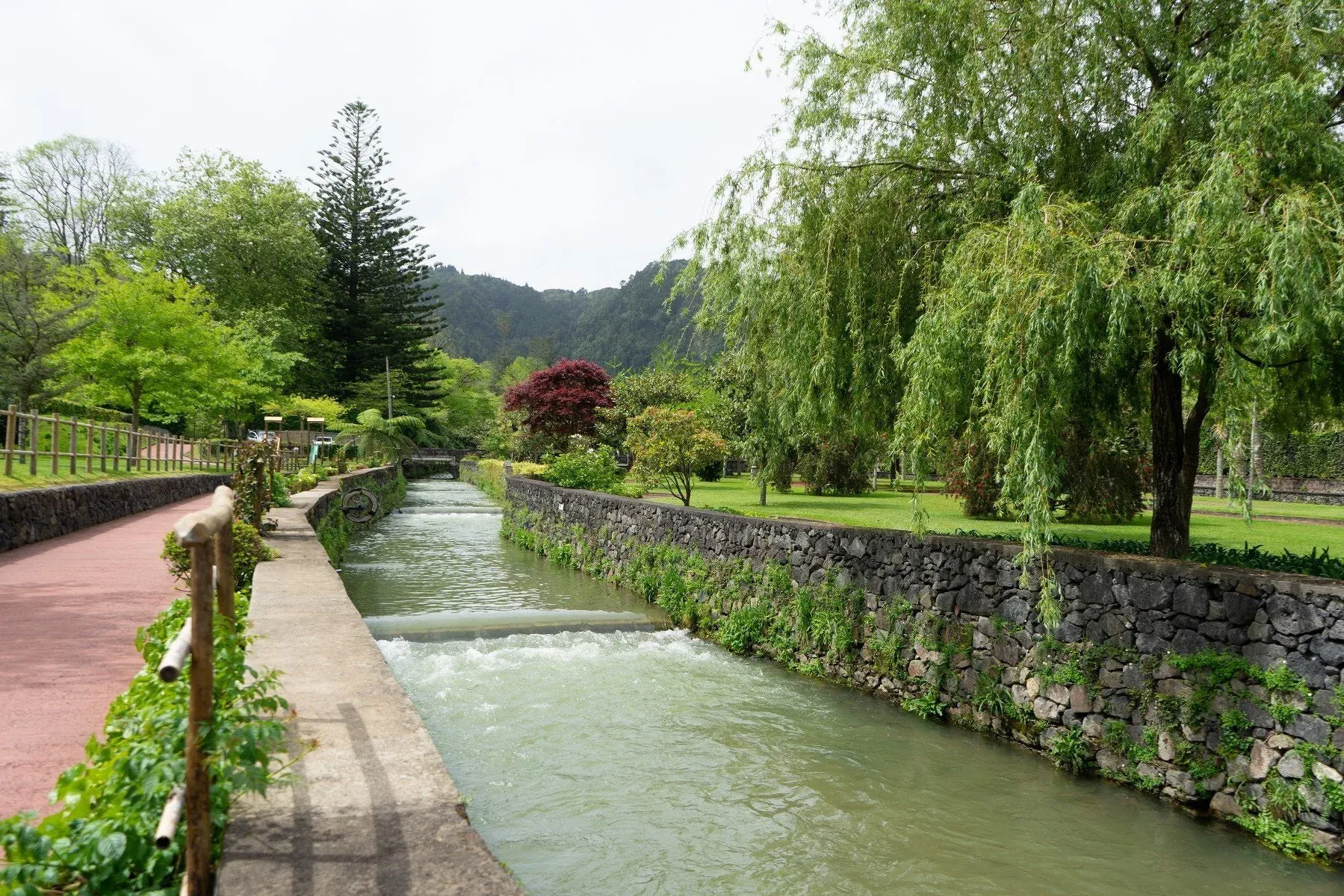
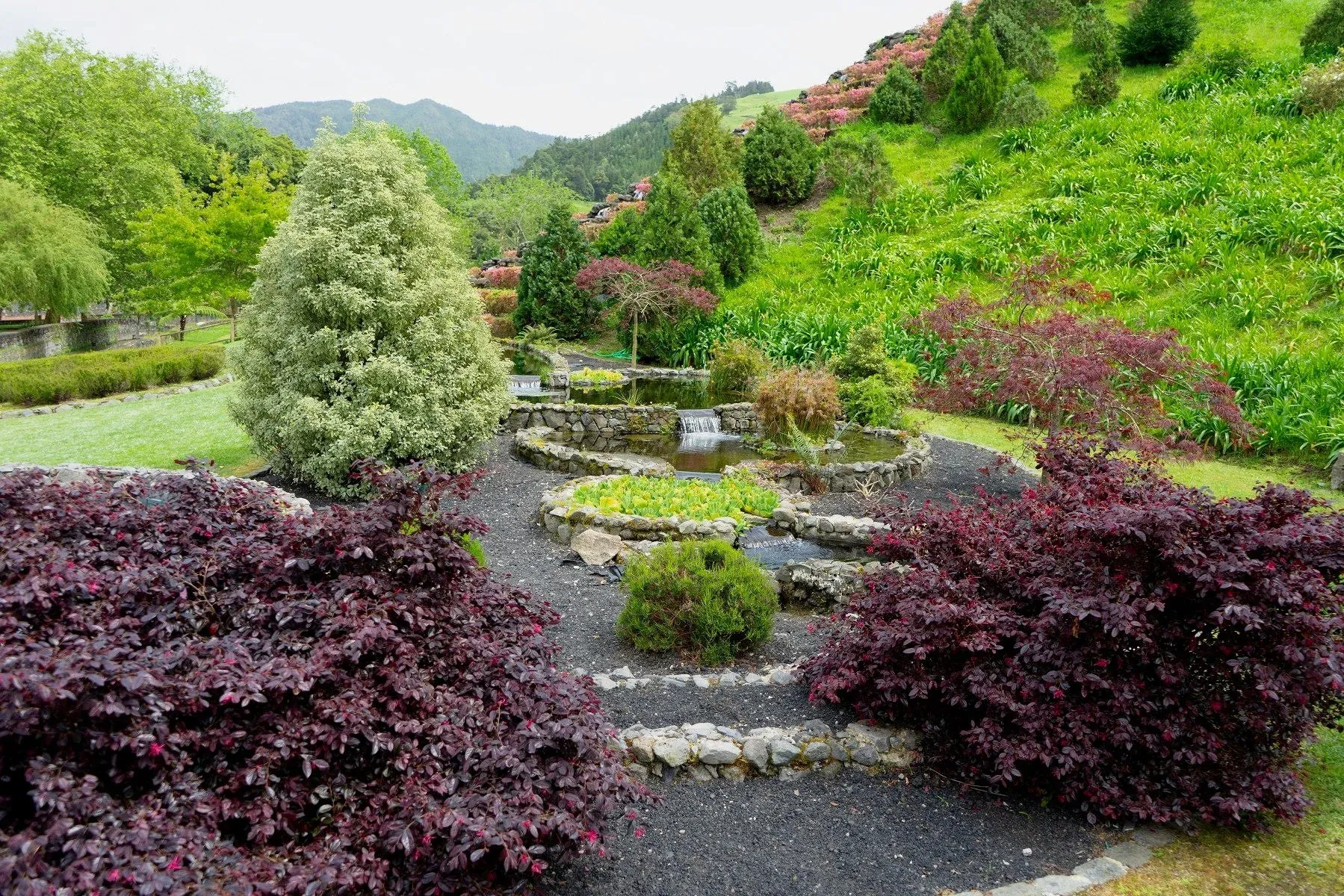
In the centre of town, next to the popular camping area, lies the enchanting Quenturas Garden. This vibrant, meticulously maintained flower garden, with manicured paths and a serene pond, is the ideal place to relax and unwind after a full day of exploring Furnas.
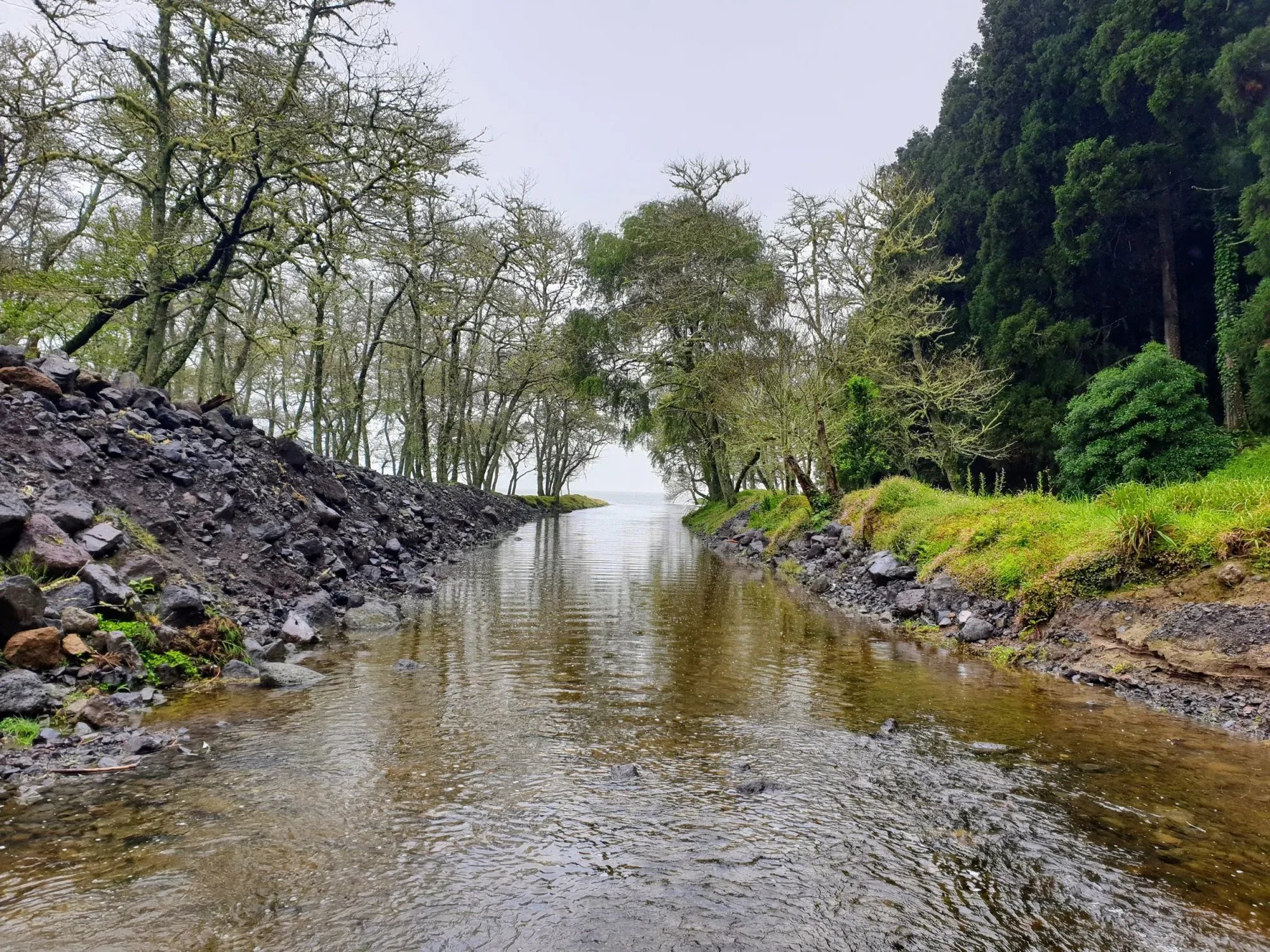
In the gently flowing river, Poça da Tia Silvina lets everyone soak their feet in the soothing thermal waters for free. Children can enjoy the play areas and a beautifully crafted waterfall, which conceals an aquarium showcasing the river's local fauna.
What to eat
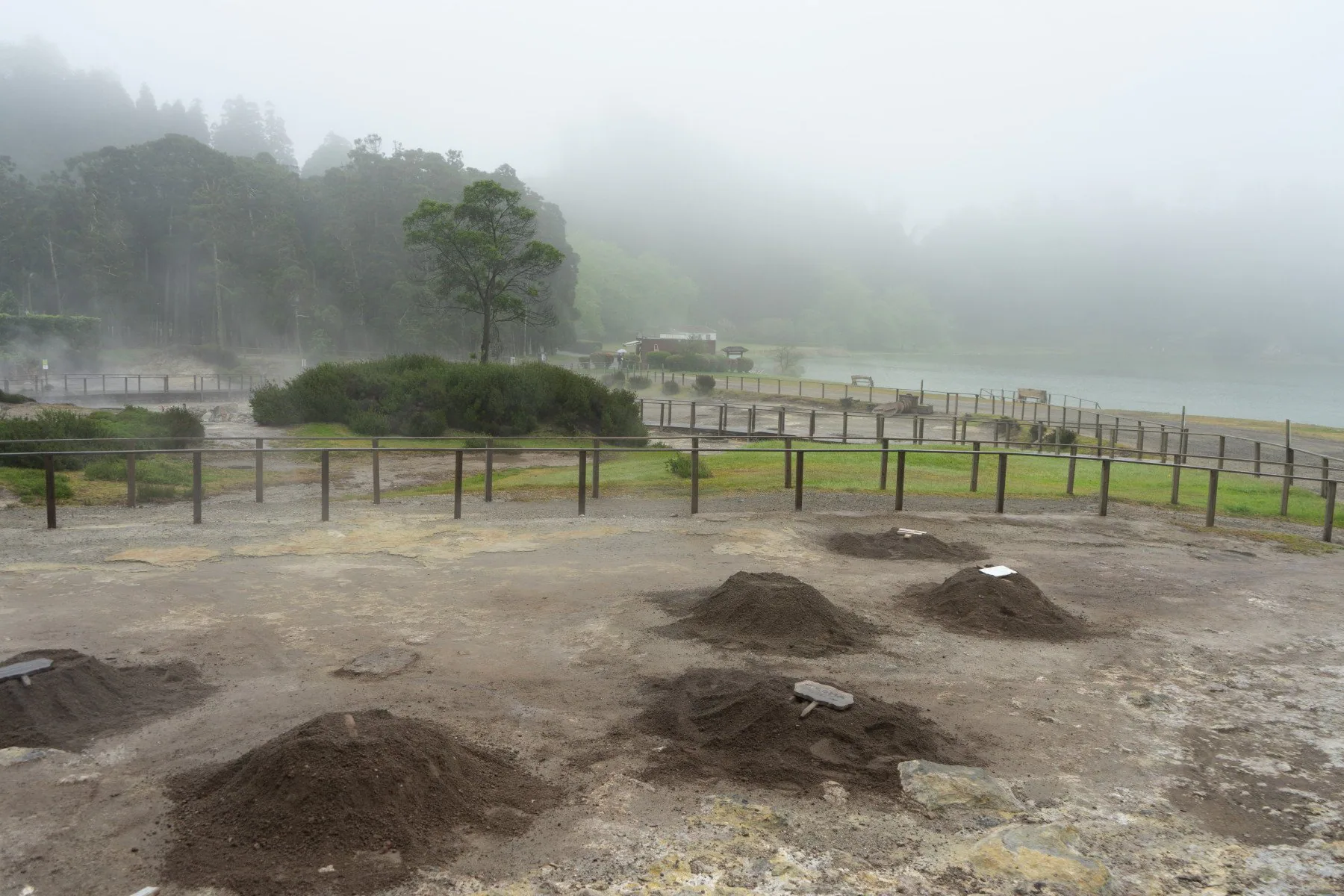
While in Furnas, you have to try the Azores' most emblematic dish, made only in this town: the Cozido das Furnas. It is a stew of different cuts of meat and local vegetables cooked in a large pot, which is buried in the ground of the Furnas Lake caldeira and left to simmer for several hours in the earth's heat. The result is a flavourful, hearty dish enjoyed by locals and visitors alike.
Many local restaurants offer this speciality. Among the most famous are Tonys, Banhos Férreos and Caldeiras e Vulcões.
Where to stay
Furnas is an impressive little village with lots to see and do, so you will most probably want to spend 2 or 3 days there to fully explore and absorb its unique, serene atmosphere. Spending the night in Furnas is highly recommended.
The town offers an extensive range of lodging, from palace hotels that take you back in time to fancy spa hotels. There are also more modest home stays for those on a budget.
Getting there
São Miguel is a small island with limited public transport. The airport is in Ponta Delgada, the island's capital. There are no trains, and buses are rare, slow and hard to find.
Two companies operate buses from Ponta Delgada to Furnas: Caetano Raposo & Pereiras and Varela & Ca. The buses take about 1.5 hours, but updated schedules and prices can be hard to find, particularly for non-Portuguese speakers.
By car, the journey takes 35 minutes, and taxi fares range from €50 to €65.
Renting a car in Ponta Delgada is cost-effective: roads are well maintained, and parking is plentiful and typically free. A car also gives you access to more remote areas where public transport is nonexistent. Good options to search and compare rental cars in São Miguel are GetRentacar.com and Rentalcars.com.
Best time to visit
São Miguel has mild temperatures year-round. The climate is humid with persistent cloud cover and, even in summer, occasional rain is not rare.
From October to March the island gets more frequent rain, with temperatures between 12 and 17 °C. The driest conditions are from June to August, with temperatures between 20 and 25 °C.
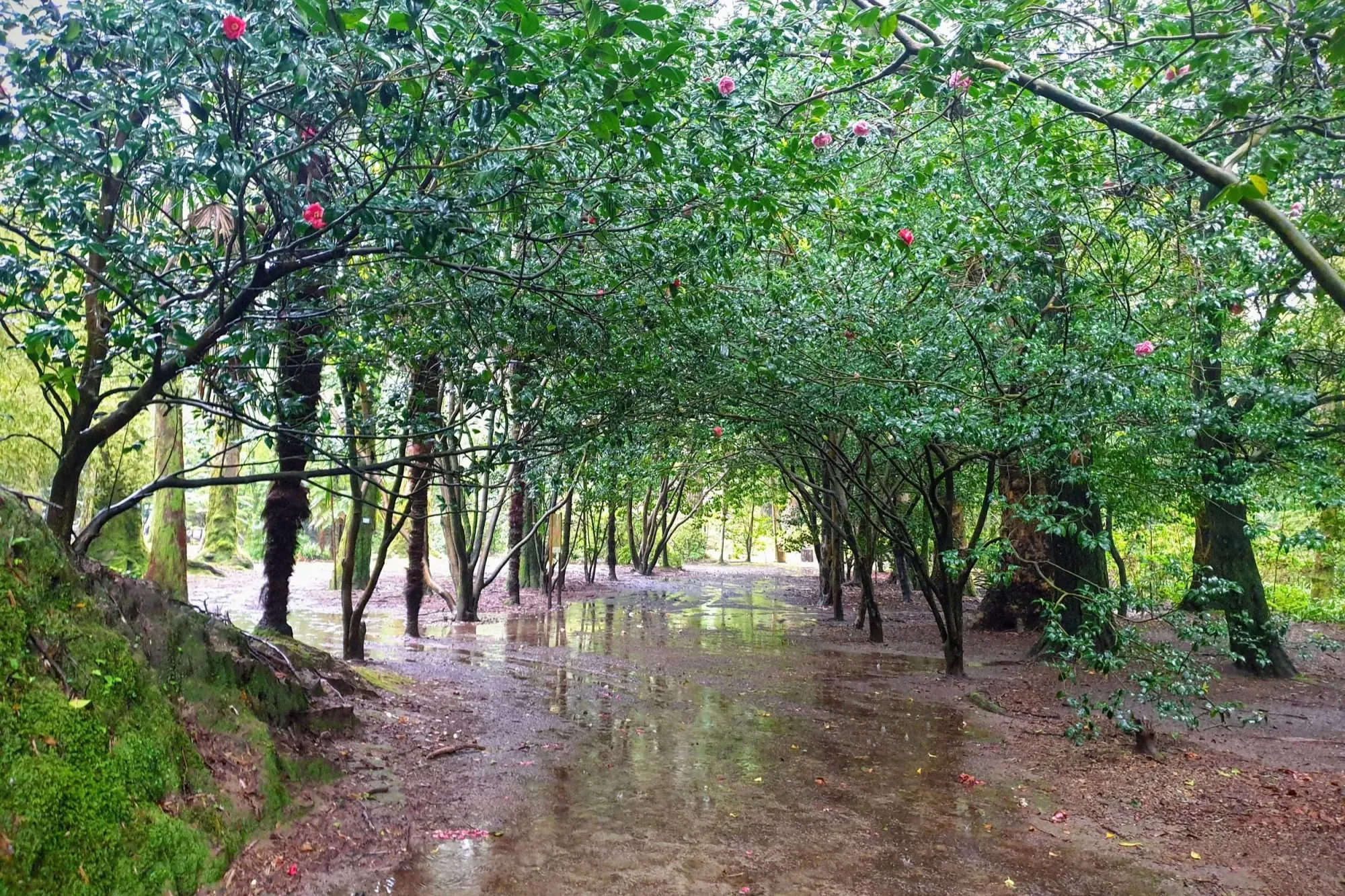
Furnas is famous for its beautiful gardens and colourful flowers, especially camellias. The best time to see them is from December to May, when the camellias are in full bloom. Mata José do Canto and the Terra Nostra botanical garden have large collections that draw visitors every year.
Is it worth visiting?
Furnas is a must-visit destination for anyone interested in natural beauty, relaxation and good food. Whether you travel alone, with friends or with family, there is something for everyone in this beautiful town in the Azores.
The lush landscapes, vibrant geothermal features and serene lakes are a stunning backdrop for outdoor enthusiasts. You can explore the famous hot springs, take leisurely walks through botanical gardens, or try the traditional cozido, a stew cooked in volcanic soil. Hiking, bird watching and wellness retreats make it suitable for many types of travellers, and the welcoming atmosphere and rich cultural heritage add to its appeal.
Whether you seek adventure, tranquillity or gourmet delights, Furnas promises a memorable experience.
Where we would stay
We may earn a commission when you book through these links. It never changes your price.